






Product Details
| Product Name: Calcium Citrate Malate | CAS No.: 142606-53-9 |
| Min. Order: 1ton | Purity: 99% |
| Supply Ability: 1000T/M | Release date: 2025/11/04 |
1. Product Identification
Product name: Calcium Citrate Malate
Synonyms: CCM; Calcium citrate-malate salt; Calcium (citrate)(malate) complex
Chemical nature: Organic calcium salt complex (combination of calcium bound to citrate and malate anions)
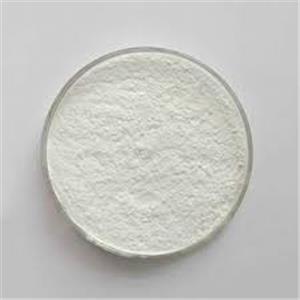
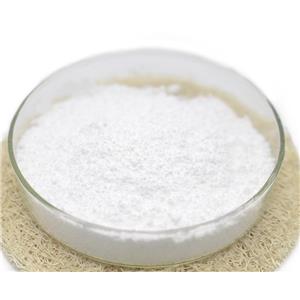
Typical appearance: White to off-white free-flowing powder
Physical form: Powder, hygroscopic tendencies vary by grade and packaging
2. Typical Chemical / Physical Properties (General)
Elemental calcium (Ca) content (dry basis): typically 20–26% (manufacturer-specific; see grade tables below)
Molecular formula (typical representation): complex salt of calcium with citrate and malate (stoichiometry varies with hydration)
Odour: Odourless or very faint organic odour
pH (1% w/v aqueous): ~4.5–7.0 (acidic to near-neutral; depends on grade and counterions)
Solubility: Slightly soluble in water; solubility increases in acidic medium (soluble in dilute organic acids or dilute HCl)
Bulk density (loose / tapped): ~0.4–0.8 g/mL (loose) ; tapped density ~0.8–1.3 g/mL (highly dependent on particle size and grade)
Particle size (typical): Fine powder; commonly specified as “passes 80 mesh / 180 µm” for standard grades; finer grades ≤ 100 µm for tableting/encapsulation
Moisture / Loss on Drying (LOD): see grade table
Appearance by microscopy: crystalline or amorphous micro-particles depending on synthesis and drying conditions
3. Grades & Typical Specifications
A. Industrial / Technical Grade (for non-food industrial applications)
Typical specification (representative)
| Parameter | Typical Limit / Spec |
|---|---|
| Appearance | White to off-white powder |
| Elemental Ca (d.b.) | ≥ 20.0% |
| Assay (purity, total complex) | ≥ 85.0% (as manufactured solid) |
| Loss on Drying (105°C, 2 h) | ≤ 10.0% |
| pH (1% aq) | 4.0–8.0 |
| Particle size | Pass 80 mesh (180 µm) |
| Bulk density (tapped) | 0.8–1.3 g/mL |
| Heavy metals (as Pb) | ≤ 10 mg/kg (ppm) |
| Total heavy metals (as Pb) | ≤ 20 mg/kg |
| Arsenic (As) | ≤ 3 mg/kg |
| Cadmium (Cd) | ≤ 1.5 mg/kg |
| Mercury (Hg) | ≤ 0.1 mg/kg |
| Microbiology | Not controlled to food grade; TPC not specified (industrial QC as required) |
| Residual solvents / reagents | As per internal spec (if any used in manufacture) |
B. Food Grade / Dietary Supplement Grade (higher purity; suitable for food fortification / supplements)
Representative specification (for food/dietary use)
| Parameter | Specification (typical) |
|---|---|
| Appearance | White to off-white powder; free-flowing |
| Elemental Ca (d.b.) | ≥ 21.0 – 24.0% (supplier dependent) |
| Assay (active complex) | ≥ 95.0% (if claimed as standardized material) |
| Loss on Drying (105°C) | ≤ 5.0% (common) |
| Residue on ignition / Ash | ≤ 6.0% (informational) |
| pH (1% w/v) | 5.0–7.5 |
| Particle size distribution | e.g., D90 ≤ 250 µm; customizable (e.g., D50 ≈ 50–150 µm) |
| Bulk density (tapped) | 0.9–1.2 g/mL |
| Heavy metals, total (Pb equiv) | ≤ 10 mg/kg (ppm) |
| Lead (Pb) | ≤ 1.0 mg/kg (ppm) (often ≤ 0.5 ppm for premium food grade) |
| Arsenic (As) | ≤ 0.5 mg/kg (ppm) |
| Cadmium (Cd) | ≤ 0.1–0.5 mg/kg (ppm) |
| Mercury (Hg) | ≤ 0.1 mg/kg (ppm) |
| Fluoride | Typically very low; supplier to specify |
| Microbiological limits | Total Plate Count (TPC): ≤ 1,000 cfu/g; Yeast & Mold ≤ 100 cfu/g; Salmonella absent (25 g); E. coli absent |
| Allergen status | Naturally allergen-free; confirm no cross-contact in facility |
| GMO status | Non-GMO source generally; supplier to confirm |
| Kosher / Halal | Optional — supplier certification required |
Notes: Numbers above are typical ranges used in industry. Specific claims such as “meets USP/FCC/Food Chemical Codex” require validated methods and certificates.
4. Analytical Methods / Test Procedures (recommended)
These are commonly used QC methods to verify the parameters above. Suppliers must reference validated SOPs.
Elemental Calcium: ICP-OES / ICP-MS (preferred) or AAS (graphite furnace or flame for appropriate range). Results reported as % Ca on dry basis.
Assay of CCM (organic content): Combination of titration and chromatographic profile. Total organic acid content (citrate + malate) may be quantified by HPLC (ion-exclusion or ion-exchange with appropriate standardization).
Loss on Drying (LOD): Gravimetric (105 ± 2 °C to constant weight) or moisture analyser (Karl Fischer if residual water content very low).
pH: Measure 1% w/v dispersion at 20–25 °C with calibrated pH meter.
Heavy metals (Pb, As, Cd, Hg, total heavy metals): ICP-MS or ICP-OES following acid digestion (EPA / pharmacopeial digestion methods).
Microbiology: Plate count methods for Total Aerobic Count, Yeast & Mold; enrichment and detection for Salmonella, E. coli per pharmacopeial microbiology methods (e.g., ISO or USP methods).
Particle size: Laser diffraction or sieve analysis (as specified).
Residual solvents / reagents: GC or other applicable methods if solvents used.
Identification Tests: IR spectrum (FT-IR) to confirm characteristic organic acid salt peaks; DSC or XRD for crystalline form information (if applicable).
5. Manufacturing & Quality Control (summary)
Raw materials: Food/pharma grade citric acid, malic acid (or their salts), food/pharma grade calcium source (e.g., calcium hydroxide or carbonate) depending on process. Suppliers must control raw material quality.
Typical process (broad overview): Controlled neutralization/complexation of calcium with citrate and malate under aqueous conditions, concentration, purification (filtration), controlled drying (spray-dry or tray dryer), milling and sieving to target particle size, final blending and packaging.
In-process controls: pH, Ca assay, moisture, particle size, microbial monitoring (for food grade), metal impurity checks.
Batch traceability: Lot numbering, CoA, production date, expiry/shelf-life, manufacturing controls and retest intervals recorded.
6. Packaging, Storage & Shelf Life
Packaging options:
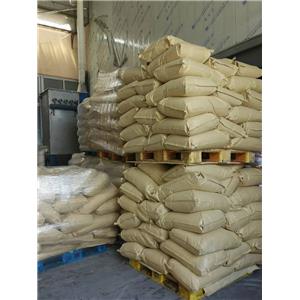
Food grade: multilayer polyethylene / foil bags (e.g., 25 kg net) with inner PE liner; small pack sizes available on request.
Industrial grade: kraft bags with PE liner; bulk bags (FIBC) for larger volumes.
Labeling: Product name, grade, net weight, lot/batch number, manufacture date, expiry/retest date, storage instructions, manufacturer contact, hazard labels if applicable.
Storage conditions: Cool, dry (relative humidity <60%), away from strong oxidizers, acids, or bases; avoid direct sunlight and heat sources. Keep containers tightly closed.
Shelf life / Retest period: Typically 24–36 months when stored under recommended conditions. For food/pharma grade, retest intervals and shelf life must be validated via stability studies; moisture uptake is a common limiting factor.
Handling: Minimize dust generation; use local exhaust ventilation; use appropriate PPE (dust mask or respirator, safety goggles, gloves). Avoid ingestion and inhalation.
7. Safety & Regulatory (summary)
Hazards: Product is not classified as hazardous under common transport rules in typical quantities; however, airborne dust may be an irritant to eyes, skin and respiratory tract. Avoid dust formation.
First aid:
Inhalation: Move to fresh air; seek medical attention if symptoms persist.
Skin contact: Wash with soap and water.
Eye contact: Rinse thoroughly with water for several minutes; seek medical attention if irritation persists.
Ingestion: Rinse mouth; seek medical attention if large amounts were swallowed.
PPE: Dust mask/respirator (NIOSH approved for nuisance dust), safety goggles, protective gloves, protective clothing.
SDS: A Safety Data Sheet (SDS) to be provided with each shipment specifying hazard classification (if any), disposal, transport data, and precise first-aid measures.
Regulatory statements: If marketed for food or dietary use, product must be manufactured under appropriate food-grade GMP, with microbiological and heavy metal controls compliant with target market regulations. Supplier to provide declarations for allergen cross-contact, GMO, Kosher/Halal if requested.
8. Microbiology (food grade)
Total Plate Count (TPC): ≤ 1,000 cfu/g
Yeasts & Molds: ≤ 100 cfu/g
Salmonella: Absent in 25 g (or per local regulation)
E. coli: Absent in 10 g (or per local regulation)
Staphylococcus aureus / Listeria / other pathogens: Absent or as per customer/regulatory requirement
9. Example Certificate of Analysis (CoA) — single lot (illustrative)
Lot / Batch no.: XYZ-2025-001
Mfg date: 2025-01-15
Expiry / Retest date: 2027-01-14
Appearance: White to off-white powder — PASS
Elemental Ca (ICP-OES): 22.6% — PASS (spec ≥ 21.0%)
Loss on Drying (105°C): 3.8% — PASS (spec ≤ 5.0%)
pH (1%): 6.2 — PASS (spec 5.0–7.5)
Lead (Pb, ICP-MS): < 0.2 ppm — PASS (spec ≤ 1.0 ppm)
Arsenic (As): < 0.02 ppm — PASS (spec ≤ 0.5 ppm)
Cadmium (Cd): < 0.01 ppm — PASS (spec ≤ 0.1 ppm)
Total Plate Count: 120 cfu/g — PASS (spec ≤ 1,000 cfu/g)
Salmonella: Absent /25 g — PASS
Particle size (D90): 180 µm — PASS
Conclusion: Meets Food Grade specification for dietary use (CoA signed & dated).
10. Typical Applications & Recommended Use Levels
Dietary supplements: Tablets, capsules, chewables, effervescents — typical supplement dosage is determined by elemental Ca target (e.g., to supply 300–600 mg elemental Ca per dose, calculate CCM mass based on %Ca).
Food fortification: Beverages (acidic/fortified juices), powdered mixes, nutritional bars — sensory testing recommended as CCM may alter pH/taste.
Infant / Medical nutrition: Requires pharma-grade material and regulatory approval.
Industrial: pH buffering, calcium source in non-food applications.
Example calculation: If CCM contains 22.6% elemental Ca, to deliver 500 mg elemental Ca: required CCM ≈ 500 / 0.226 ≈ 2,212 mg (2.21 g).
11. Stability & Compatibility
Stability: Stable under cool, dry conditions. Moisture uptake over time may reduce flowability and change apparent density.
Compatibility: Compatible with many food matrices; but in highly alkaline systems CCM may hydrolyze or precipitate; in strongly acidic matrices it is more soluble. Interactions with chelating agents, oxidizers, or ingredients affecting pH should be evaluated in final formulation.
12. Customs / Transport (brief)
UN classification: Generally not classified as hazardous for transport in typical commercial quantities; check SDS for exported shipments.
Transport: Pack to prevent moisture ingress and shifting in transit; for bulk transport use FIBCs secured against moisture.
13. Quality & Certification Options (available on request)
Certificate of Analysis (CoA) for each lot
Certificate of Origin (COO)
Microbial test report
Heavy metals test report (ICP)
Allergen statement / HACCP declaration
GMP / ISO / Kosher / Halal certificates (if requested and issued by supplier)
Stability data (upon contract)
Company Profile Introduction
You may like

Recommended supplier
| Product name | Price | Suppliers | Update time | |
|---|---|---|---|---|
| $1.50/1g |
VIP4Y
|
Shaanxi Didu New Materials Co. Ltd
|
2025-06-06 | |
| $0.00/1KG |
Hebei Chuanghai Biotechnology Co., Ltd
|
2024-10-29 | ||
| $3.00/1KG |
VIP6Y
|
Career Henan Chemical Co
|
2020-01-17 |

 China
China- Since: 2025-04-07
- Address: C-309, No. 12 Yuzhou S. Rd, Haizhou, Lianyungang, Jiangsu, China