


Cholic acid: Uses, Mechanism, Biosynthesis and Side effects
Sep 15,2026
Cholic acid, a primary bile acid produced in the liver, has garnered considerable attention in pharmaceutical and medical research due to its therapeutic potential in treating various bile acid synthesis disorders.

Uses
Bile acids, the products of cholesterol metabolism, is a class of important biological active metabolites with different biochemical functionality from the original molecule. For example, cholic acid is used for treatment of bile acid synthesis disorders, ursodeoxycholic acid is used for treatment of cholelithiasis and a variety of cholestatic liver diseases, and deoxycholic acid is used for reducing moderate-to-severe fat below the chin.1
Mechanism of Action
The mechanism of action of cholic acid primarily revolves around its role as a primary bile acid. Bile acids are crucial for the digestion and absorption of fats and fat-soluble vitamins in the small intestine. In patients with bile acid synthesis disorders, there is a deficiency in the production of bile acids, leading to severe clinical manifestations including fat malabsorption, liver disease, and growth failure.
Cholic acid works by supplementing the deficient bile acids in these patients, restoring normal bile flow and improving fat digestion and absorption. It also helps in reducing the accumulation of toxic bile acid intermediates that can cause liver damage. By restoring bile acid homeostasis, cholic acid alleviates the symptoms associated with these disorders and supports normal growth and development in affected individuals.
Biosynthesis
In humans, cholic acid is synthesized from cholesterol in the liver by cytochromes P450 7A1, 8B1 and 27A1. Cholesterol is conjugated to glycine or taurine to form bile salts, which are secreted in the small intestine to aid the digestion and absorption of fat and other lipophilic nutrients. In the “classical pathway” of bile acid synthesis, cholic acid produces bile acid metabolites, leading to the production of deoxycholic acid (or DCA, a secondary bile acid), and glycine and taurine conjugates.
Side effects
Like any medication, cholic acid is associated with a range of potential side effects. The most common side effects include diarrhea, abdominal pain, and nausea. These gastrointestinal symptoms are usually mild and tend to resolve with time as the body adjusts to the medication.
However, more severe side effects can occur, although they are rare. These include liver function abnormalities, jaundice, and severe abdominal pain, which may indicate liver injury or bile duct obstruction.
References
[1] Sun, S., & Wesolowski, S. S. (2021). Biologically active metabolites in drug discovery. Bioorganic & Medicinal Chemistry Letters, 48, Article 128255. https://doi.org/10.1016/j.bmcl.2021.128255
- Related articles
- Related Questions
- Cholic Acid: Metabolic Health and Therapeutic Applications Nov 28,2024
Cholic acid aids fat digestion, regulates cholesterol, enhances insulin sensitivity, and has therapeutic potential for metabolic disorders and liver health.

Everolimus can be used in organ transplantation, oncology, and cardiology, while it may also cause some side effects.....
Sep 15,2026Drugs
Epichlorohydrin (CAS 106-89-8), abbreviated as ECH, is an important chemical widely used in the production of epoxy resins, textiles, ion-exchange resins, rubber, and agricultural products.....
Sep 15,2026API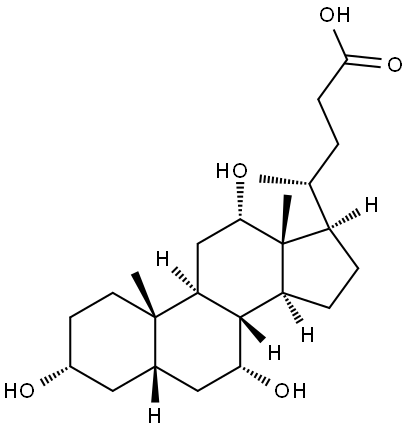
Cholic acid
81-25-4You may like
- Cholic acid
-

- 2026-10-08
- CAS:81-25-4
- Min. Order: 1KG
- Purity: 95%min
- Supply Ability: 3500kg/month
- Cholic acid
-

- $980.00
- 2026-10-02
- CAS:81-25-4
- Min. Order: 1kg
- Purity: 99%
- Supply Ability: 5000
- Cholic acid
-

- 2026-08-25
- CAS:81-25-4
- Min. Order: 1KG
- Purity: 0.99
- Supply Ability: 1000KG