


Epichlorohydrin—A Key Ingredient in Epoxy Resin Production
Sep 15,2026
Epichlorohydrin (CAS 106-89-8), abbreviated as ECH, is an important chemical widely used in the production of epoxy resins, textiles, ion-exchange resins, rubber, and agricultural products [1]. It is primarily used in conjunction with bisphenol A (BPA) to manufacture epoxy resins. Typically, epoxy resin prepolymers consist of one to three monomer units, with each unit composed of one molecule of BPA and one molecule of epichlorohydrin.

The preparation of epoxy resin essentially involves a ring-opening reaction between the epoxy group of ECH and the hydroxyl groups of phenolic compounds (such as BPA) to form linear or branched polymer chains; subsequent cross-linking transforms these into a thermosetting resin. Resins containing only a single unit are liquid and are typically used at room temperature, whereas resins containing multiple units are solid and require the use of solvents or elevated temperatures. In industrial applications, epoxy resins are usually mixed with a curing agent on-site. The chemical reaction between the resin and the curing agent is an exothermic polymerization process in which the curing agent reacts with free epoxy groups to form a three-dimensional network. Upon complete curing, the epoxy resin typically transforms into a polymer with significantly lower toxicity. Cured epoxy resin forms a robust, high-strength material characterized by corrosion, solvent, and chemical resistance, as well as high hardness and strong adhesion.
Toxicity
Epichlorohydrin is a volatile, colorless liquid with an ether-like odor that acts as an active alkylating agent. It poses respiratory and dermal toxicity risks to both animals and humans. Local contact can cause severe skin burns as well as burns to the eyes and nasal mucosa [1]. It is classified as a skin sensitizer. Furthermore, under EU classification standards, ECH is categorized as a Category 1B carcinogen—defined as a substance "presumed to have carcinogenic potential for humans." In epoxy resin products, only trace amounts of residual ECH are typically present prior to curing. Most suppliers recommend limiting the epichlorohydrin concentration in the resin to within 0.001%.
References
[1] Giri, A. K. (1997). Genetic toxicology of epichlorohydrin: A review. Mutation Research-Reviews in Mutation Research, 386 1, Pages 25-38. https://doi.org/10.1016/S1383-5742(96)00042-7
- Related articles
- Related Questions
- Is epichlorohydrin added in the production of tea bags? Will it be ingested by the human body? Feb 24,2025
Epichlorohydrin can be used in the production of tea bag paper to keep the tea bags from falling apart, this article will discuss its daily intake.
- Synthesis and Uses of Epichlorohydrin Jun 1,2022
Epichlorohydrin (ECH) is an important organic chemical raw material and petrochemical intermediate, mainly used to produce epoxy resin, synthetic glycerin and chlorohydrin rubber.
- The Application of Epichlorohydrin Oct 19,2021
Epichlorohydrin is manufactured from allyl chloride and is widely used as a chemical intermediate. A major use is in the synthesis of bisphenol A diglycidyl ether, which is a component of epoxy resins.

Cholic acid is used for treatment of bile acid synthesis disorders, ursodeoxycholic acid is used for treatment of cholelithiasis and a variety of cholestatic liver diseases, and deoxycholic acid is used for reducing moderate-to-severe fat b....
Sep 15,2026API
Neopentylboronic acid (CAS 701261-35-0) is an alkylboronic acid that serves primarily as an organoboron building block and intermediate for the synthesis of complex heterocyclic compounds or pharmacologically active molecules.....
Sep 15,2026API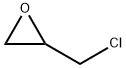
Epichlorohydrin
106-89-8You may like
- Epichlorohydrin
-

- $80.00
- 2026-10-09
- CAS:106-89-8
- Min. Order: 1000kg
- Purity: 0.995
- Supply Ability: 50000MT per year
- Epichlorohydrin
-

- 2026-09-02
- CAS:106-89-8
- Min. Order: 20kg
- Purity: 99.0%
- Supply Ability: 20 tons
- Epichlorohydrin
-
- $50.00
- 2026-09-02
- CAS:106-89-8
- Min. Order: 1KG
- Purity: 99%