


Synthesis and Bioactivity of Diallyl trisulfide
Sep 14,2026
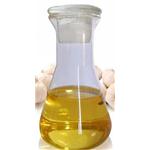
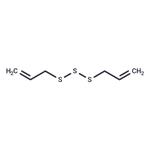
Diallyl trisulfide is a yellow liquid at room temperature and atmospheric pressure, possessing an unpleasant odor, with a boiling point of 112–120 °C (at 2133 Pa). It is insoluble in water and ethanol, but miscible with diethyl ether. In its natural form, Diallyl trisulfide is found in onions, garlic, and other plants, and it is isolated from garlic. This compound has been shown to inhibit the growth of Penicillium expansum (with an MFC₉₉ value of ≤ 90 μg/mL) and to promote apoptosis through the generation of reactive oxygen species (ROS) as well as the disruption of cellular ultrastructure, thereby exhibiting anticancer activity.

Figure1: Picture of Diallyl trisulfide
Synthesis
Researchers have publicly reported a straightforward synthetic route for the preparation of Diallyl trisulfide, which features readily available starting materials, a limited number of reaction steps, and a high purity of the final product. This method for obtaining Diallyl trisulfide comprises the following sequential operations: (1) A sodium hydrosulfide solution with a concentration of 0.6 mol is prepared by dissolving 50 parts of sodium hydrosulfide in 100 parts of water, and this solution is set aside for later use. (2) Into a 1000 mL three-necked flask, 280 parts of purified water, 300 parts of sodium thiosulfate (1.2 mol), and 92 parts of allyl chloride (1.2 mol) are introduced, and the mixture is allowed to react to form the corresponding Bunte salt. (3) With the temperature maintained at 30–50 °C and under continuous stirring, 150 parts of the previously prepared 0.6 mol sodium hydrosulfide solution are added dropwise to decompose the Bunte salt, thereby generating the crude Diallyl trisulfide. (4) The reaction mixture is then allowed to stand for 26 hours, after which the layers are separated to afford the crude product of Diallyl trisulfide. (5) Finally, the crude Diallyl trisulfide obtained in step 4 is transferred to a distillation kettle and subjected to vacuum distillation, with the bottom temperature controlled at 90–110 °C, and the fraction boiling at 62–64 °C under 100 Pa is collected, yielding the purified Diallyl trisulfide product. In this way, Diallyl trisulfide can be efficiently prepared with satisfactory yield and high purity, owing to the simplicity and practicality of the overall procedure.
Bioactivity
Bioactive dietary constituents have been demonstrated to modulate multiple signaling pathways that are considered hallmarks of cancer. Epidemiological evidence has linked the regular consumption of Allium vegetables, including garlic and onions, to a reduced risk of cancer development. Among the bioactive compounds derived from these vegetables, Diallyl trisulfide has received particular attention as a promising anti-cancer and chemopreventive agent. Extensive preclinical investigations have provided ample evidence that Diallyl trisulfide effectively regulates several cancer hallmark pathways, encompassing cell cycle progression, apoptosis, angiogenesis, tumor invasion, and metastatic dissemination. In terms of cell cycle regulation, Diallyl trisulfide has been shown to induce arrest at multiple phases, with the G2/M checkpoint being the most frequently reported point of intervention. Furthermore, Diallyl trisulfide enhances the pro-apoptotic capacity of cancer cells by modulating both the intrinsic and extrinsic apoptotic cascades, an effect that has been widely documented in various experimental models. Beyond apoptosis and cell cycle control, emerging evidence indicates that Diallyl trisulfide also exerts inhibitory effects on cancer cell invasion, migration, and angiogenesis, thereby further supporting its broad-spectrum anti-cancer activity. This review provides a comprehensive summary of the molecular mechanisms through which Diallyl trisulfide exerts its anti-cancer and chemopreventive functions. Collectively, these findings establish a solid rationale for future translational studies aimed at evaluating Diallyl trisulfide as a viable candidate for cancer chemoprevention in clinical settings.[1]
Pharmaceutical applications
Researchers have publicly disclosed a novel application of Diallyl trisulfide in the field of food allergy, which falls within the technical scope of pharmaceutical and medical sciences. This invention specifically provides a new use of Diallyl trisulfide for alleviating and treating food allergy responses. As demonstrated by animal experiments, Diallyl trisulfide is capable of effectively reducing the incidence of diarrhea in food-allergic mice, attenuating the decline in rectal temperature, and lowering both serum OVA-specific IgE levels and mast cell protease levels. Furthermore, Diallyl trisulfide exhibits a protective effect against jejunal tissue damage, thereby indicating its potential as a therapeutic agent. Based on these findings, Diallyl trisulfide can be utilized in the preparation of pharmaceutical products, pharmaceutical compositions, functional foods, or foods for special medical purposes intended for the management of food allergies. Therefore, Diallyl trisulfide holds considerable promise for broad application prospects in the development of anti-allergy interventions.
Reference
[1] Puccinelli M T, Stan S D. Dietary bioactive diallyl trisulfide in cancer prevention and treatment[J]. International journal of molecular sciences, 2017, 18(8): 1645.
- Related articles
- Related Questions



Diallyl trisulfide
2050-87-5You may like
Diallyl trisulfide manufacturers
- Diallyl trisulfide
-
- 2026-10-09
- CAS:2050-87-5
- Min. Order: 100G
- Purity: ≥98% HPLC
- Supply Ability: 1000KG
- Diallyl Trisulfide
-
- $195.00
- 2026-07-27
- CAS:2050-87-5
- Purity: 95.00%
- Supply Ability: 10g
- Diallyl trisulfide
-

- 2026-06-30
- CAS:2050-87-5
- Min. Order: 1kg
- Purity: 99%
- Supply Ability: 10000KGS