


Chemicals reagents are commonly referred to as reagent. It is a large class of pure chemical substances with various standard purities and can be used for education, scientific research, analysis and testing as well as the functional materials and raw materials required by some kinds of novel industrial materials. There is a large variety of chemical reagents and the number has reached hundreds of thousands in the world. There are also tens of thousands of reagents that have been used in daily life in china. There is still no uniform international rules in the classification methods for chemicals. It is customary divided by subject and actual application. Take the representative catalog issued by the Germany E • Merck Company as example, there are twelve categories and seventy categories while in most countries, it is divided with the scope of application. We divide the reagents into four categories. 1. General reagents: generally refers to inorganic reagents and organic reagents that can meet standard purity. It is often applied to scientific research, analysis and testing, and synthetic reaction and used as new materials. 2. Analysis Reagents: regent dedicated to analysis and test and can be divided into two subcategories: (1) Reagents for chemical analysis: testing items for the chemical reaction analysis. 1) Baseline Reagent: pure compound directly used for the standard solution in the formulation and volumetric analysis. 2) Indicator: it can be used to indicate the end of the titration reagent and can be classified into pH indicator, redox indicator adsorption indicator, metal indicator, a fluorescent indicator, and so on. (2) Regents for instrument analysis: high-purity compounds dedicated to instrumental analysis. 1) Spectroscopically pure reagents: spectroscopically pure compound, often expressed in the SP for spectral analysis reagents. 2) Chromatography pure reagents: reagents dedicated to analysis of gas chromatography and liquid chrom
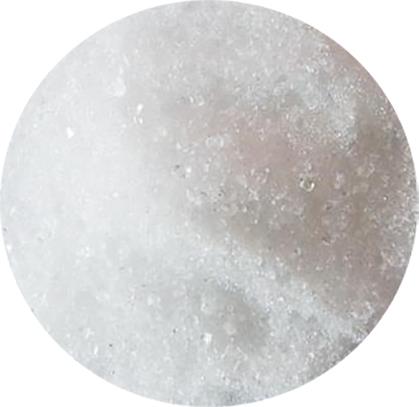
Hydroxylamine Sulfate: Application, Toxicity, Preparation
Hydroxylamine sulfate is an inorganic compound with the chemical formula (NH2OH)2·H2SO4. It is a white crystalline solid that is soluble in water and has a slightly acidic taste.
Apr 27,2023 Chemical Reagents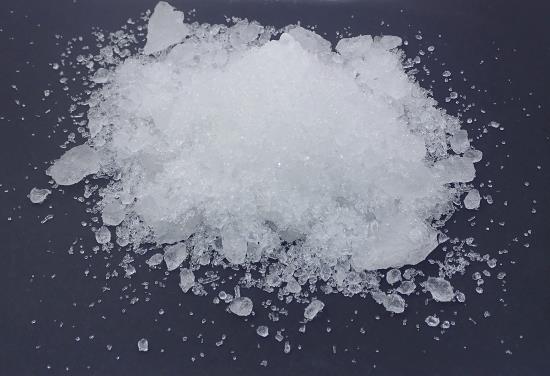
Sodium Acetate: Preparation, Reactions and Applications
Sodium acetate, CH3COONa, also abbreviated NaOAc, is the sodium salt of acetic acid. This colorless deliquescent salt has a wide range of uses.
Apr 12,2023 Chemical Reagents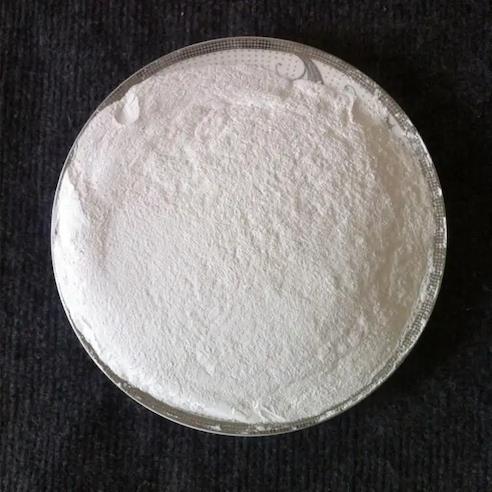
N-Bromosuccinimide:Chemical synthesis,Reactions
N-Bromosuccinimide (NBS) is a convenient source of bromine for both radical substitution and electrophilic addition reactions.
Mar 20,2023 Chemical Reagents
Method for producing Perfluorobutanesulfonyl fluoride
The method for producing perfluorobutanesulfonyl fluoride according to this embodiment is characterized in that an aqueous solution of an alkali metal hydroxide is added to perfluorobutanesulfonyl flu
Mar 10,2023 Chemical Reagents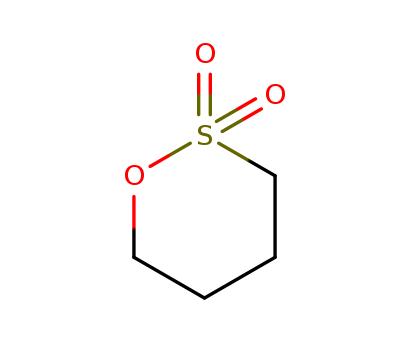
1,4-Butane sultone:Preparation,Toxicity
1,4-butanesultone is a viscous, clear, colorless and odorless liquid which reacts in boiling water and alcohols (to 4-alkoxybutanesulfonic acid) and dissolves in many organic solvents. At temperatures
Mar 10,2023 Chemical Reagents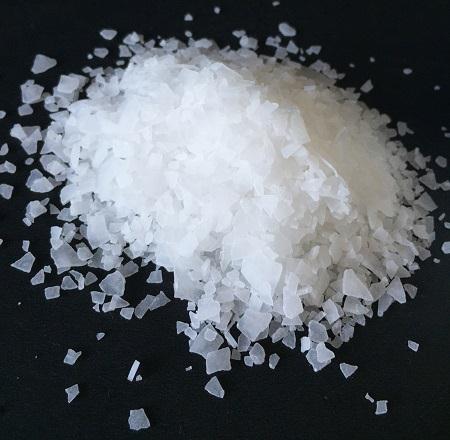
The Preparation Method of Centralite-II
Centralite-II (N.N'-Dimethyldiphenylurea), also known as Methyl Centralite , is white or light yellowish flake crystal, soluble in alcohol, ether and benzene, insoluble in water.
Feb 27,2023 Chemical Reagents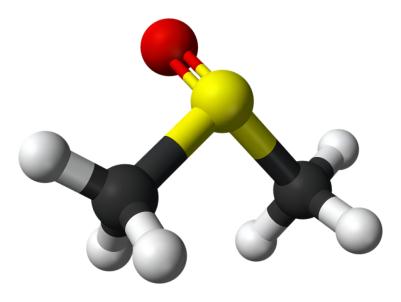
Is Dimethyl sulfoxideharmful to Humans?
DMSO can cause contaminants, toxins, and medicines to be absorbed through the skin, which may cause unexpected effects.
Dec 1,2022 Chemical Reagents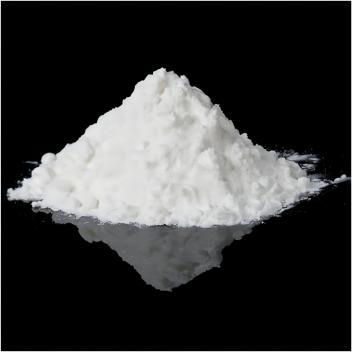
The Side Effecrs of Potassium Acetate
Even though it may be rare, some people may have extremely bad and occasionally deadly side effects when taking Potassium Acetate.
Dec 1,2022 Chemical Reagents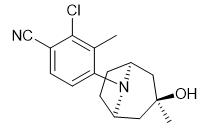
ACP-105: Detection, Synthesis, Bioactivity
ACP-105 is a selective androgen receptor modulator (SARM).
Nov 30,2022 Chemical Reagents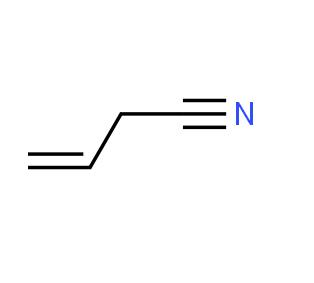
Synthesis and toxicokinetics of Allyl cyanide
Allyl cyanide is an organic compound. Like other small alkyl nitriles, allyl cyanide is colorless and soluble in organic solvents. Allyl cyanide occurs naturally as an antifeedant and is used as a c
Nov 23,2022 Chemical Reagents