


Chemicals reagents are commonly referred to as reagent. It is a large class of pure chemical substances with various standard purities and can be used for education, scientific research, analysis and testing as well as the functional materials and raw materials required by some kinds of novel industrial materials. There is a large variety of chemical reagents and the number has reached hundreds of thousands in the world. There are also tens of thousands of reagents that have been used in daily life in china. There is still no uniform international rules in the classification methods for chemicals. It is customary divided by subject and actual application. Take the representative catalog issued by the Germany E • Merck Company as example, there are twelve categories and seventy categories while in most countries, it is divided with the scope of application. We divide the reagents into four categories. 1. General reagents: generally refers to inorganic reagents and organic reagents that can meet standard purity. It is often applied to scientific research, analysis and testing, and synthetic reaction and used as new materials. 2. Analysis Reagents: regent dedicated to analysis and test and can be divided into two subcategories: (1) Reagents for chemical analysis: testing items for the chemical reaction analysis. 1) Baseline Reagent: pure compound directly used for the standard solution in the formulation and volumetric analysis. 2) Indicator: it can be used to indicate the end of the titration reagent and can be classified into pH indicator, redox indicator adsorption indicator, metal indicator, a fluorescent indicator, and so on. (2) Regents for instrument analysis: high-purity compounds dedicated to instrumental analysis. 1) Spectroscopically pure reagents: spectroscopically pure compound, often expressed in the SP for spectral analysis reagents. 2) Chromatography pure reagents: reagents dedicated to analysis of gas chromatography and liquid chrom
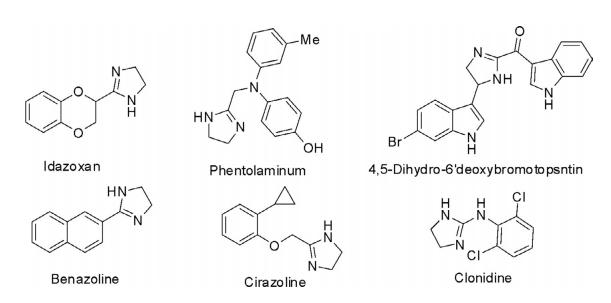
Synthesis, Properties, Chemical Reactivities of 2-Imidazoline
2-Imidazolines are referred as cyclic amidines and form hydrochloride. Imidazoline also forms a complex with organic acids, which on treatment with strong bases liberates imidazoline.
Feb 11,2022 Chemical Reagents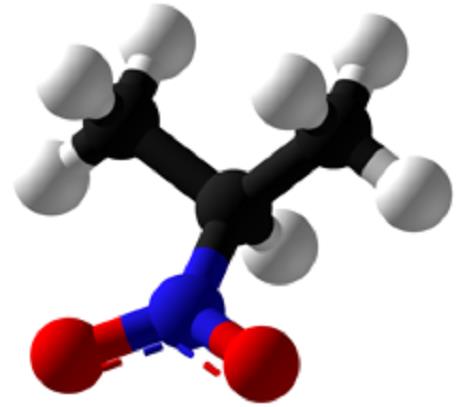
Preparation and Uses of 2-Nitropropane
2-Nitropropane is used primarily as a solvent. Severe liver damage, as well as some kidney damage, has been observed in workers poisoned from acute (short-term) inhalation exposure to 2-nitropropane.
Jan 19,2022 Chemical Reagents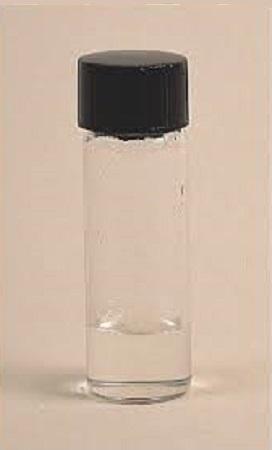
Use and Environmental Fate of dimethylmercury
The first indication of the extreme toxicity of dimethylmercury (DMM) was documented in 1863 when two laboratory assistants died of DMM poisoning while synthesizing DMM in the laboratory of Frankland
Jan 19,2022 Chemical Reagents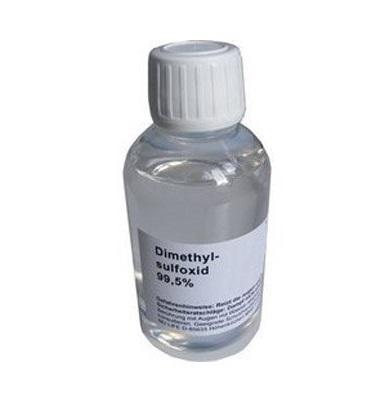
Toxicity of Dimethyl sulfoxide
First synthesized in 1866 by Alexander Zaytsev in the Russian Empire, dimethyl sulfoxide is an organosulfur compound. This colorless liquid is an important polar aprotic solvent that dissolves both po
Jan 19,2022 Chemical Reagents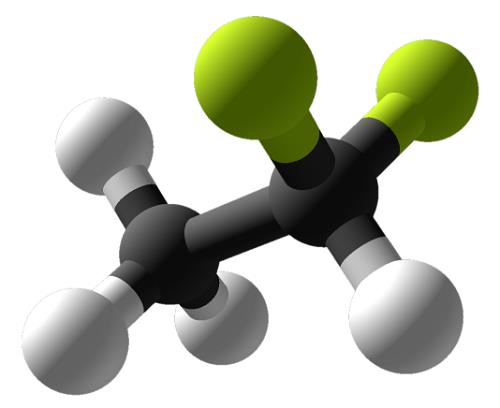
Preparation of 1,1-Difluoroethylene
1,1-Difluoroethylene is used in the manufacture of polyvinylidene fluoride for its use as a thermal, chemical, and ultraviolet light–resistant agent, and as an anticorrosive agent. The monofilament fo
Jan 19,2022 Chemical Reagents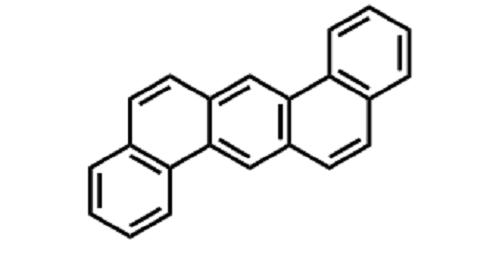
Toxicity of Dibenz[a,h]anthracene
Dibenz[a,h]anthracene is an ‘alternant’ class of polycyclic aromatic hydrocarbons (PAHs) with five fused benzene rings. It has a molecular weight of 278.33, with a melting and boiling point of 266 and
Jan 18,2022 Chemical Reagents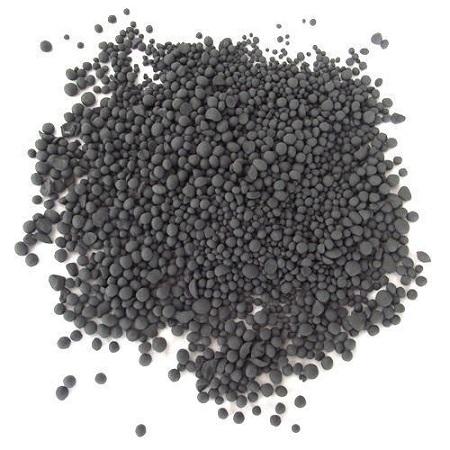
Safety of Cyanamide
Cyanamide is a colorless, orthorhombic, hydrophilic, crystalline solid with amild odor. It is similar to but not as toxic as cyanide.Containing both nucleophilic and electrophilic sites on the same mo
Jan 13,2022 Chemical Reagents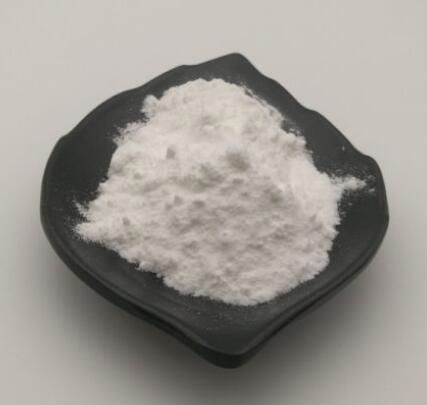
Uses of CS
CS, or o-chlorobenzylidene malononitrile, is the current major riot control agent (RCA) used by U.S. military forces. It was originally synthesized in 1928 by Corson and Stoughton, and the U.S. Army d
Jan 12,2022 Chemical Reagents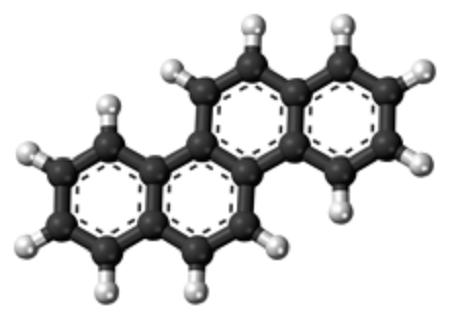
Toxicity of Chrysene
Chrysene is a polycyclic aromatic hydrocarbon (PAH) with the molecular formula C18H12. It is one of the natural constituents in coal tar, from which it was first isolated and characterized.
Jan 11,2022 Chemical Reagents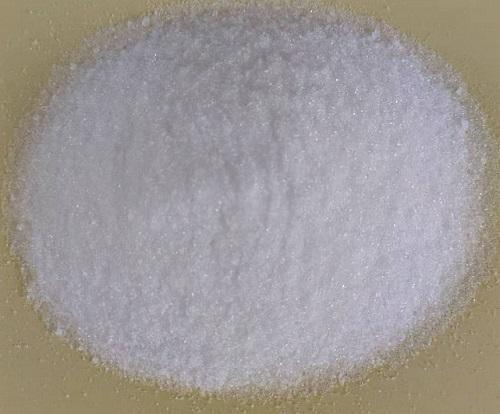
Use of Bronopol
Bronopol is used as a preservative in various cosmetic, pharmaceutical, toiletry and household preparations at concentrations of up to 0.1% (wt/vol) particularly because of its high activity against G
Jan 7,2022 Chemical Reagents