


Chemicals reagents are commonly referred to as reagent. It is a large class of pure chemical substances with various standard purities and can be used for education, scientific research, analysis and testing as well as the functional materials and raw materials required by some kinds of novel industrial materials. There is a large variety of chemical reagents and the number has reached hundreds of thousands in the world. There are also tens of thousands of reagents that have been used in daily life in china. There is still no uniform international rules in the classification methods for chemicals. It is customary divided by subject and actual application. Take the representative catalog issued by the Germany E • Merck Company as example, there are twelve categories and seventy categories while in most countries, it is divided with the scope of application. We divide the reagents into four categories. 1. General reagents: generally refers to inorganic reagents and organic reagents that can meet standard purity. It is often applied to scientific research, analysis and testing, and synthetic reaction and used as new materials. 2. Analysis Reagents: regent dedicated to analysis and test and can be divided into two subcategories: (1) Reagents for chemical analysis: testing items for the chemical reaction analysis. 1) Baseline Reagent: pure compound directly used for the standard solution in the formulation and volumetric analysis. 2) Indicator: it can be used to indicate the end of the titration reagent and can be classified into pH indicator, redox indicator adsorption indicator, metal indicator, a fluorescent indicator, and so on. (2) Regents for instrument analysis: high-purity compounds dedicated to instrumental analysis. 1) Spectroscopically pure reagents: spectroscopically pure compound, often expressed in the SP for spectral analysis reagents. 2) Chromatography pure reagents: reagents dedicated to analysis of gas chromatography and liquid chrom
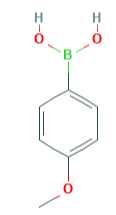
The uses of 4-Methoxyphenylboronic acid
4-Methoxyphenylboronic acid is a reagent used in the preparation of various biological inhibitors.
Jan 2,2020 Chemical Reagents
The uses of tert-Butyl acetoacetate
Tert-butyl acetoacetate(t -BAA) is a colorless liquid, stable under normal temperature and pressure, avoiding strong oxidant contact.
Jan 2,2020 Chemical Reagents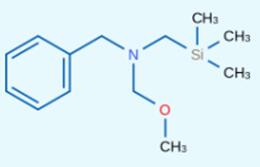
Application of N-(Methoxymethyl)-N-(trimethylsilylmethyl)benzylamine
N-Methoxymethyl-N-(trimethylsilylmethyl)benzylamine forms azomethine ylides which readily undergo[3+2] cycloaddition to α,?-unsaturated esters.
Dec 31,2019 Chemical Reagents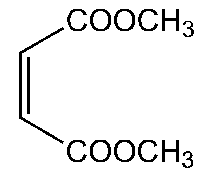
The application and production process of dimethyl maleate
Dimethyl maleate is an organic compound with the formula C6H8O4 and it is the dimethyl ester of maleic acid.
Dec 27,2019 Chemical Reagents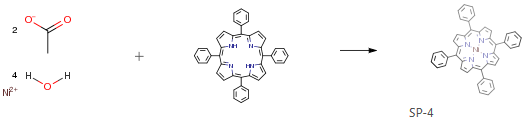
TPP - application on synthetic works
Tetraphenylporphyrin, abbreviated TPP or H2TPP, is a synthetic heterocyclic compound that resembles naturally occurring porphyrins. Porphyrins are dyes and cofactors found in hemoglobin and cytochrome
Dec 27,2019 Chemical Reagents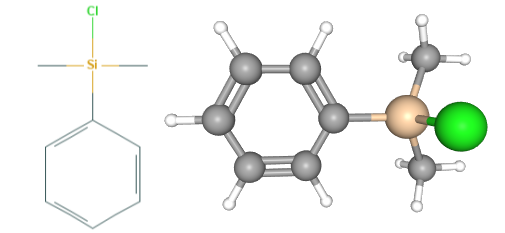
Chlorodimethylphenylsilane-Application
Chlorodimethylphenylsilane may be used in many of the same applications as chlorotrialkylsilanes, but in some cases the presence of the phenyl group on silicon offers advantages. For example, Me2PhSiL
Dec 27,2019 Chemical Reagents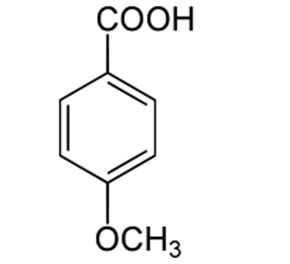
4-Methoxybenzoic acid – a phenolic acid with low toxicity
4-Methoxybenzoic acid, also known as p-anisic acid, 4-anisate or draconic acid, belongs to the class of organic compounds known as p-methoxybenzoic acids and derivatives. These are benzoic acids in wh
Dec 26,2019 Chemical Reagents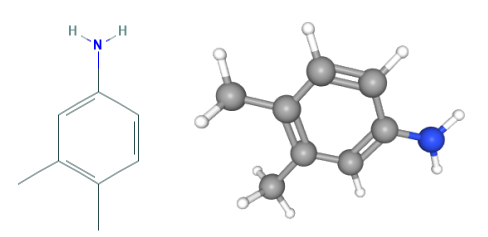
3,4-Dimethylaniline-Application
3,4-dimethylaniline is a primary arylamine that is aniline in which the hydrogens at the 3- and 4-positions are replaced by methyl groups. A low-melting, crystalline solid, 3,4-dimethylaniline is used
Dec 26,2019 Chemical Reagents
What can 4-iodobenzaldehyde be used for?
4-Iodobenzaldehyde is an important organic building block, which has been used in the preparation of benzaldimine monolayers, 4-[2-(trimethylsilyl)ethynyl] benzaldehyde, and other substituted benzene
Dec 24,2019 Chemical Reagents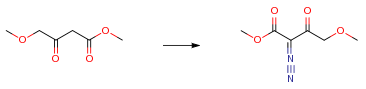
Methyl 4-methoxyacetoacetate - application on synthetic works
Methyl 4-methoxyacetoacetate has been used in generation of a small focused library of diversely functionalized dihydropyrimidine derivatives via one-pot three-component Biginelli cyclocondensation of
Dec 24,2019 Chemical Reagents