


Chemicals reagents are commonly referred to as reagent. It is a large class of pure chemical substances with various standard purities and can be used for education, scientific research, analysis and testing as well as the functional materials and raw materials required by some kinds of novel industrial materials. There is a large variety of chemical reagents and the number has reached hundreds of thousands in the world. There are also tens of thousands of reagents that have been used in daily life in china. There is still no uniform international rules in the classification methods for chemicals. It is customary divided by subject and actual application. Take the representative catalog issued by the Germany E • Merck Company as example, there are twelve categories and seventy categories while in most countries, it is divided with the scope of application. We divide the reagents into four categories. 1. General reagents: generally refers to inorganic reagents and organic reagents that can meet standard purity. It is often applied to scientific research, analysis and testing, and synthetic reaction and used as new materials. 2. Analysis Reagents: regent dedicated to analysis and test and can be divided into two subcategories: (1) Reagents for chemical analysis: testing items for the chemical reaction analysis. 1) Baseline Reagent: pure compound directly used for the standard solution in the formulation and volumetric analysis. 2) Indicator: it can be used to indicate the end of the titration reagent and can be classified into pH indicator, redox indicator adsorption indicator, metal indicator, a fluorescent indicator, and so on. (2) Regents for instrument analysis: high-purity compounds dedicated to instrumental analysis. 1) Spectroscopically pure reagents: spectroscopically pure compound, often expressed in the SP for spectral analysis reagents. 2) Chromatography pure reagents: reagents dedicated to analysis of gas chromatography and liquid chrom
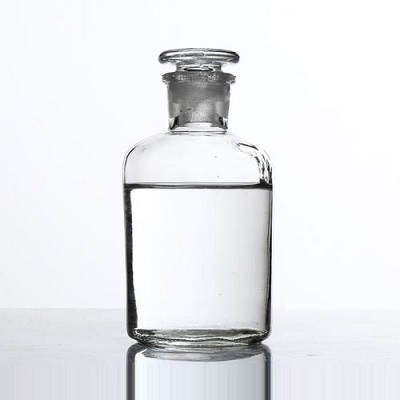
The applications of Glycidyl methacrylate
Glycidyl methacrylate (GMA) is an ester of methacrylic acid and glycidol. It is a common monomer used in the production of epoxy resins. GMA is also a high purity, dual functionality monomer ideally s
Sep 25,2019 Chemical Reagents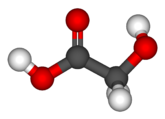
The applications of Glycolic acid
Glycolic acid is the smallest α-hydroxy acid (AHA). This colorless, odorless, and hygroscopic crystalline solid is highly soluble in water. It is found in some sugar-crops.It is one of the most well-k
Sep 20,2019 Chemical Reagents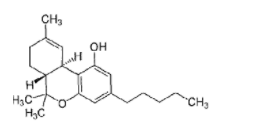
The role of olivetol in the human body
Embodiments of the present invention relate to the use of a therapeutically-effective amount of Olivetol to reduce, eliminate, inhibit or alleviate the psychoactive effects of THC in users of Cannabis
Sep 17,2019 Chemical Reagents
Diethylnitrosamine-Health Hazard and Toxicity
N-Nitrosodiethylamine (NDEA) is a carcinogenic and mutagenic organic compound, classified as a nitrosamine. It is found in tobacco smoke.N-Nitrosodiethylamine is a constituent of tobacco smoke.
Sep 16,2019 Chemical Reagents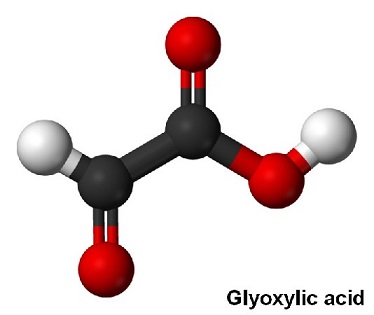
Learn more about Glyoxylic Acid
Glyoxylic acid or oxoacetic acid is an organic compound that is both an aldehyde and a carboxylic acid. Glyoxylic acid is a liquid with a melting point of -93°C and a boiling point of 111°C. It is an
Sep 16,2019 Chemical Reagents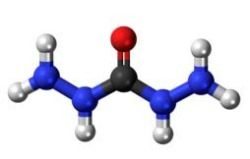
Synthesis of carbohydrazide
Carbohydrazide which is a volatile oxygen scavenger contributes no solids to the system, reacts readily with oxygen at low temperatures and pressures, and passivates the metal of the boiler system. Ca
Sep 16,2019 Chemical Reagents
Cyanogen bromide-Hazard and Toxicity
Cyanogen bromide is a colorless to white crystalline solid with a penetrating odor. Cyanogen bromide is slightly soluble in water. Cyanogen bromide is gradually decomposed by water and very rapidly by
Sep 12,2019 Chemical Reagents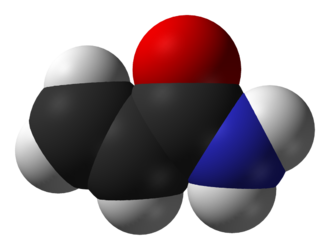
Acrylamide-Health Hazard and Toxicity
Acrylamide (or acrylic amide) is an organic compound with the chemical formula CH2=CHC(O)NH2. It is a white odorless solid, soluble in water and several organic solvents. It is produced industrially a
Sep 4,2019 Chemical Reagents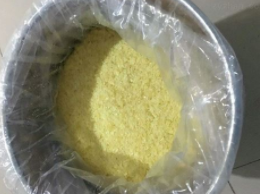
Introduction of Ortho-phthalaldehyde
Based on this, a modified o-phthalaldehyde fluorometric analytical method has been established to determine ultratrace ammonium in natural waters. Experimental parameters, including reagent concentra
Aug 26,2019 Chemical Reagents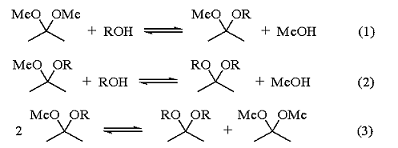
Introduction of 2,2-Dimethoxypropane
The three equilibria shown in eqs 1-3 are established when 2,2-dimethoxypropane, an alcohol, and a catalytic amount of acid are mixed. Distillation of the methanol formed shifts the equilibrium far in
Aug 20,2019 Chemical Reagents