


Inhibitor refers to substance that can hinder the chemical reactions, biological reactions (including immune response) and biological activity. In present time, commonly used inhibitors include immunosuppressants and inhibitors. 1. Immunosuppressive agents: immunosuppressants system refers to drug that can reduce the immune response. It can selectively suppress certain steps of the immune response and immune cells. Immune response refers to the body’s response to a variety of pathogenic substances. Some reactions are favorable to the body and can enhance the body's resistance to disease; some have adverse effects on the body and can cause tissue damage or disorders of physiological functions (allergy). Therefore, patients suffering from allergic reactions being harmful to the body should be subject to the treatment of immunosuppressant to affect the related immune processes and reduce the immune response of the body. For the treatment of various autoimmune diseases and weakening the tissue incompatibility, it has been developed of a variety of immunosuppressive agents, some of which have been widely used in clinical practice. Commonly used immunosuppressants include glucocorticoids (prednisone, prednisolone, etc.), alkylating agents (nitric oxide mustard, cyclophosphamide, thiotepa, busulfan, etc.), and antimetabolites (6- mercaptopurine, azathioprine, methotrexate, etc.). The mechanism of immunosuppressants, though not entirely clear, but is characterized by the following several aspects: ① most kinds of immunosuppressants can simultaneously inhibit cellular and humoral immunity and can be used for organ transplantation and autoimmune disease. ②Its inhibitory effect is strong for the primary immune response while the inhibitory effect against secondary response is weak. ③It can simultaneously act on normal and pathological immunity, therefore, can often lead to some complications. ④These drugs often have strong with serious adverse reactions. 2. Enzyme
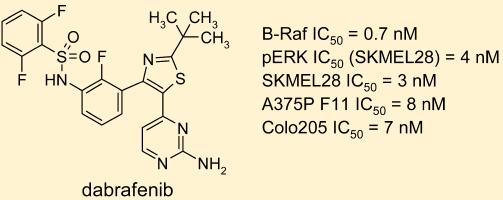
Dabrafenib Mesylate(GSK-2118436B)- Pharmacodynamics & Bioactivity
Dabrafenib Mesylate is a salt form of Dabrafenib. Dabrafenib is an inhibitor of certain mutated forms of BRAF kinase, several of which may be associated with stimulating tumour growth.
Dec 13,2019 Inhibitors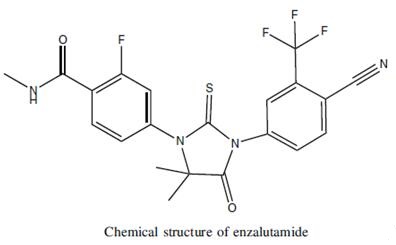
MDV-3100 (Enzalutamide)- Pharmacodynamic Properties
MDV3100, known as Enzalutamide, is a second-generation androgen receptor (AR) signaling inhibitor. It is able to inhibit binding of androgens to the AR, AR nuclear translocation, and the association o
Dec 13,2019 Inhibitors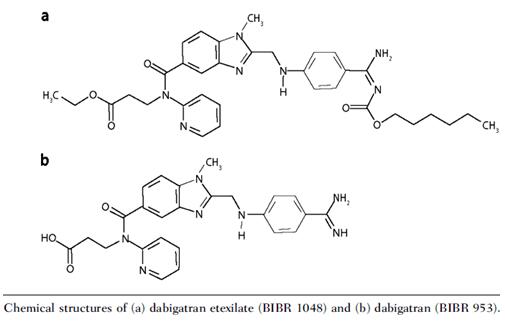
Dabigatran etexilate (BIBR-1048)- Pharmacology
Dabigatran etexilate (Pradaxa, BIBR 1048, Boehringer Ingelheim) is the prodrug of dabigatran (originally known as BIBR 953), a potent, nonpeptidic small molecule.
Dec 13,2019 Inhibitors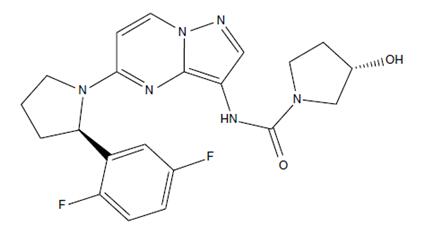
Larotrectinib (LOXO-101)- Pharmacodynamics
Larotrectinib (VITRAKVIR) is an orally administered, small molecule, highly-selective, tropomyosin receptor kinase (TRK) inhibitor that was developed by Loxo Oncology in collaboration with Bayer AG.
Dec 13,2019 Inhibitors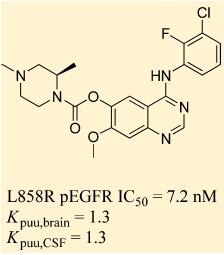
AZD3759- preclinical and clinical studies
AZD3759 is a selective EGFR inhibitor that can fully penetrate the blood-brain barrier (BBB), with equal free concentrations in the blood, cerebrospinal fluid, and brain tissue.
Dec 13,2019 Inhibitors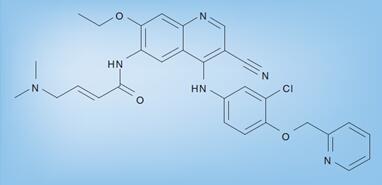
Neratinib- pharmacology
Neratinib is an oral pan HER inhibitor that irreversibly inhibits the tyrosine kinase activity of epidermal growth factor receptors, EGFR (or HER1), HER2, and HER4.
Dec 13,2019 Inhibitors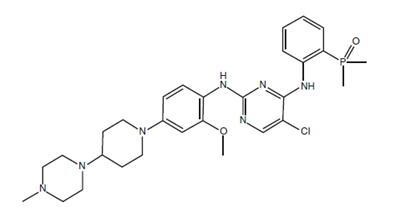
AP26113- Pharmacodynamics
Brigatinib (AP26113) is a tyrosine kinase inhibitor with in vitro activity against a number of kinases, including ALK, ROS1, insulin-like growth factor-1 receptor (IGF-1R), FLT-3, and also epidermal g
Dec 13,2019 Inhibitors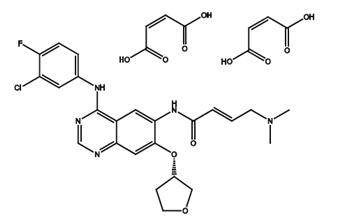
BIBW2992 Dimaleate - Pharmacodynamics
Afatinib dimaleate (Tovok; BIBW2992; Gilotrif) is a salt form of Afatinib. Afatinib is a second-generation, orally administered, irreversible inhibitor of the ErbB family of tyrosine kinases.
Dec 13,2019 Inhibitors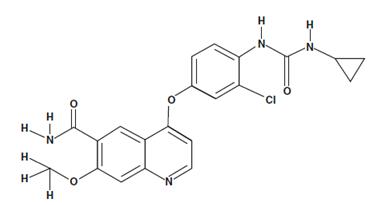
Lenvatinib - pharmacodynamics
Lenvatinib (LenvimaTM) is a multitargeted receptor kinase inhibitor that inhibits the kinase activities of vascular endothelial-derived growth factor receptors.
Dec 13,2019 Inhibitors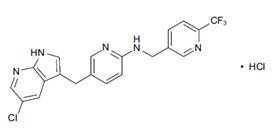
PLX3397 (Pexidartinib)
Pexidartinib (TURALIO) is a novel, orally available small molecule tyrosine kinase inhibitor (TKI) with potent and selective activity against the colony-stimulating factor 1 (CSF1) receptor.
Dec 11,2019 Inhibitors