


Inhibitor refers to substance that can hinder the chemical reactions, biological reactions (including immune response) and biological activity. In present time, commonly used inhibitors include immunosuppressants and inhibitors. 1. Immunosuppressive agents: immunosuppressants system refers to drug that can reduce the immune response. It can selectively suppress certain steps of the immune response and immune cells. Immune response refers to the body’s response to a variety of pathogenic substances. Some reactions are favorable to the body and can enhance the body's resistance to disease; some have adverse effects on the body and can cause tissue damage or disorders of physiological functions (allergy). Therefore, patients suffering from allergic reactions being harmful to the body should be subject to the treatment of immunosuppressant to affect the related immune processes and reduce the immune response of the body. For the treatment of various autoimmune diseases and weakening the tissue incompatibility, it has been developed of a variety of immunosuppressive agents, some of which have been widely used in clinical practice. Commonly used immunosuppressants include glucocorticoids (prednisone, prednisolone, etc.), alkylating agents (nitric oxide mustard, cyclophosphamide, thiotepa, busulfan, etc.), and antimetabolites (6- mercaptopurine, azathioprine, methotrexate, etc.). The mechanism of immunosuppressants, though not entirely clear, but is characterized by the following several aspects: ① most kinds of immunosuppressants can simultaneously inhibit cellular and humoral immunity and can be used for organ transplantation and autoimmune disease. ②Its inhibitory effect is strong for the primary immune response while the inhibitory effect against secondary response is weak. ③It can simultaneously act on normal and pathological immunity, therefore, can often lead to some complications. ④These drugs often have strong with serious adverse reactions. 2. Enzyme
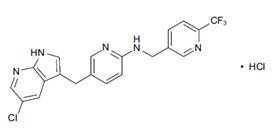
PLX3397 (Pexidartinib)
Pexidartinib (TURALIO) is a novel, orally available small molecule tyrosine kinase inhibitor (TKI) with potent and selective activity against the colony-stimulating factor 1 (CSF1) receptor.
Dec 11,2019 Inhibitors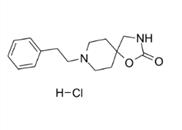
Medicinal Effect of Fenspiride Hydrochloride
Fenspiride hydrochloride {8-(2-phenylethyl)-1-oxa-3,8-diazaspiro[4,5]decan-2-one. HCl} with the CAS registry number 5053-08-7 is a whitish water-soluble microcrystalline solid. It is marketed in Europ
Dec 11,2019 Inhibitors
Applications of 3,3-Difluoroazetidine Hydrochloride
3,3-Difluoroazetidine hydrochloride(C3H6ClF2N) is colorless to yellow solid. 3,3-Difluoroazetidine hydrochloride can be considered as a fairly typical cyclic amine.
Dec 10,2019 Inhibitors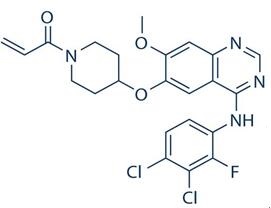
Biological Activity of Poziotinib (HM781-36B)
Poziotinib (HM781-36B) is a novel oral cancer cell inhibitor developed by Seoul Medical University in 2008. It is used for the treatment of breast and gastric cancer, and has targeted Small molecule i
Dec 10,2019 Inhibitors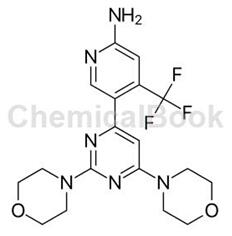
BKM120: Biological Activity
BKM120 (PI3K inhibitor) is a small molecule orally available pan-I phosphoinositide 3-kinase inhibitor. Inositol mesylate 3-kinase inhibitors (PI3K inhibitors) are a class of medical drugs that inhibi
Dec 10,2019 Inhibitors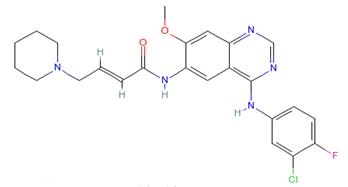
Biomedical properties of dacomitinib (PF299804)
Dacomitinib (PF299804), which name is (E)-N-[4-(3-chloro-4-fluoroanilino)-7- methoxyquinazolin-6-yl]-4-piperidin-1-ylbut-2-enamide, is a potent, orally available, highly selective, irreversible small-
Dec 10,2019 Inhibitors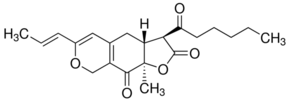
What is Monascin, and what is it used in medical treatment?
Monascin is an organic heterotricyclic compound that is 3a,4,8,9a-tetrahydro-2H-furo[3,2-g][2]benzopyran-2,9(3H)-dione that is substituted at positions 3, 6, and 9a by hexanoyl, (1E)-prop-1-en-1-yl an
Dec 9,2019 Inhibitors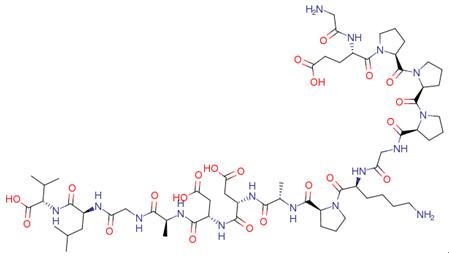
BPC 157- Reaction / Application on Synthetic Works
Stable gastric pentadecapeptide BPC 157 is an anti-ulcer peptidergic agent, safe in inflammatory bowel disease clinical trials and wound healing, stable in human gastric juice and has no reported tox
Dec 9,2019 Inhibitors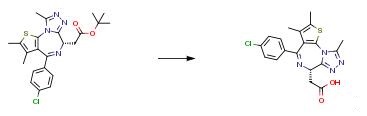
(S)-tert-butyl 2-(4-(4-chlorophenyl)-2,3,9-trimethyl-6H-t - Reaction / Application on synthetic works
JQ1 is a thienotriazolodiazepine and a potent inhibitor of the BET (bromodomain and extra-terminal motif) family of bromodomain proteins which include BRD2, BRD3, BRD4, and the testis-specific protein
Nov 19,2019 Inhibitors
Allopurinol - Reaction / Application on synthetic works
Allopurinol is xanthine oxidase-activated prodrug of thymidine phosphorylase inhibitor. It is also an important organic intermediate to synthetize substituted pyrimidine products.
Nov 19,2019 Inhibitors