


The organic raw materials are petrochemicals made of petroleum and natural gas, and the industries of various organic chemical products are produced or fractionated by the raw material gas after coal gasification and the coal tar recovered by dry distillation. In China's organic chemical industry, the first acetylene route from coal-based calcium carbide, coalification to methanol, formaldehyde route and recovery of coal tar in benzene, naphthalene, anthracene and other routes and the use of grain as raw material fermentation distillation to produce alcohol routes. Organic raw materials are widely used and can be divided into three aspects: one is the raw material used to produce polymer chemical products, that is, the monomer for polymerization; the other is used in other organic chemical industries, including raw materials for fine chemical products; Used in solvents, refrigerants, antifreezes, gas adsorbents, etc. Basic organic chemicals are the basis for the development of various organic chemical products and are a major component of modern industrial structures.

The Chemical Properties of Propane
Propane is a colorless and odorless flammable gas. It is also an asphyxiant. If inhaled, it will cause dizziness, difficulty breathing, or loss of consciousness.
Jan 4,2024 Organic Chemistry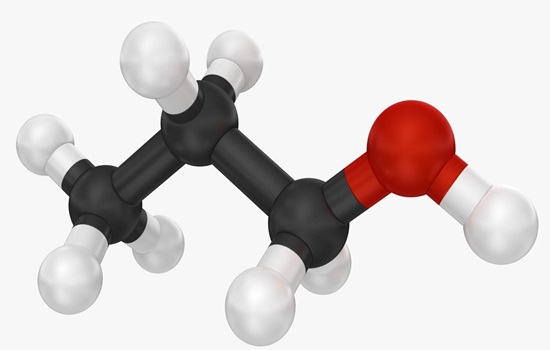
The Polarity of 1-Propanol and Its Effect on Organic Systems
1-Propanol is a good solvent and can be used directly or through the synthesis of propyl acetate in coatings, printing inks, daily chemicals and other fields. It is a polar solvent and can effect othe
Dec 28,2023 Organic Chemistry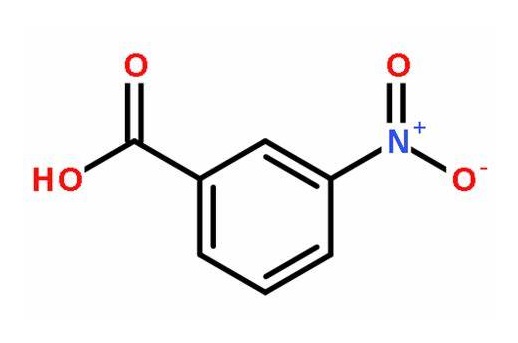
Reactivity and Polarity of 3-Nitrobenzoic acid
3-Nitrobenzoic acid is an off-white solid, it is used to prepare some dyes.
Dec 28,2023 Organic Chemistry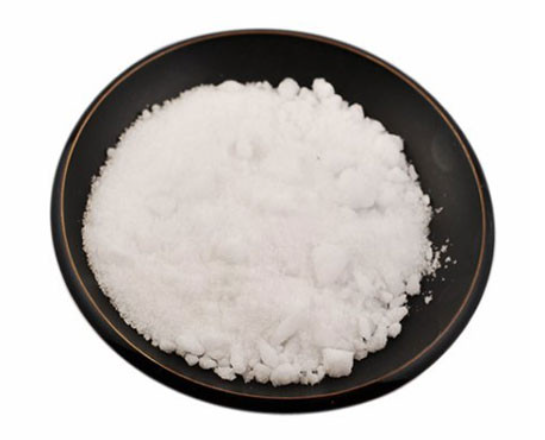
Is vanillin polar?
Vanillin is a phenolic aldehyde. Its functional groups include aldehyde, hydroxyl, and ether. It is the primary component of the extract of the vanilla bean.
Dec 28,2023 Organic Chemistry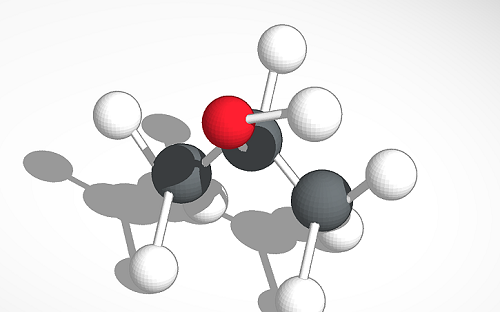
Molecular polarity and non-polarity of isopropyl alcohol
Isopropyl alcohol, also known as 2-propanol, is a versatile organic compound with various chemical properties. It has a molecular formula of C3H8O and a relative molecular mass of 60.10.
Dec 28,2023 Organic Chemistry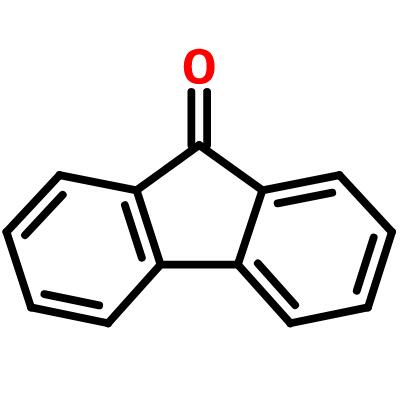
Is Fluorene nonpolar?
Fluorene is a polycyclic aromatic hydrocarbon that is commonly used in the manufacturing of OLEDs, dyes, and plasticizers.
Dec 27,2023 Organic Chemistry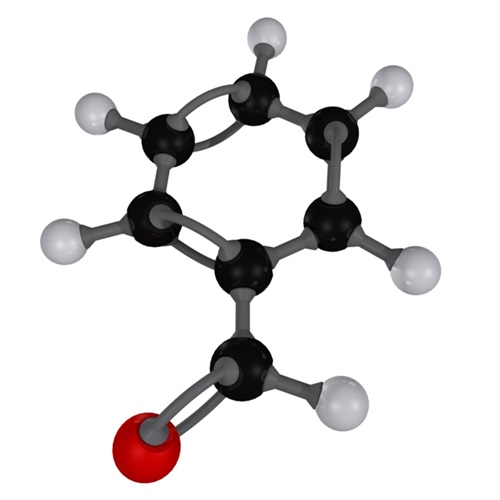
Polarity of Benzaldehyde
Benzaldehyde (C6H5CHO) is an organic compound consisting of a benzene ring with a formyl substituent. It is the simplest aromatic aldehyde and one of the most industrially useful.
Dec 27,2023 Organic Chemistry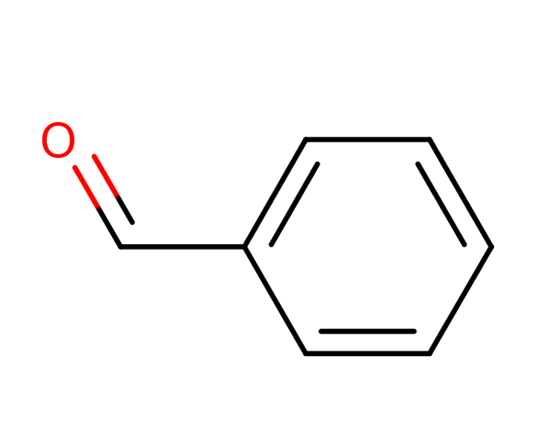
Structure, Intermolecular Interactions and Applications of Enzaldehyde
Benzaldehyde represents the simplest aromatic aldehyde and the most used industrially. This article will introduce its structure, intermolecular interactions and applications.
Dec 27,2023 Organic Chemistry
Dimethyl Sulfoxide: A Widely Used Polar Aprotic Solvent
Dimethyl Sulfoxide (DMSO) is a polar aprotic molecule that has the peculiar property of having a mildly nucleophilic sulfur and a basic oxygen. It is used as a reagent in a variety of different react
Dec 27,2023 Organic Chemistry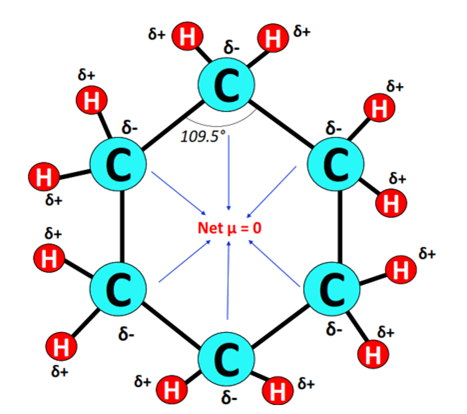
How to Determine the Polarity of Cyclohexane?
Cyclohexane is used extensively as a solvent for lacquers and resins, its polarity can be judged from two aspects: bond polarity and molecular geometry.
Dec 22,2023 Organic Chemistry