


The organic raw materials are petrochemicals made of petroleum and natural gas, and the industries of various organic chemical products are produced or fractionated by the raw material gas after coal gasification and the coal tar recovered by dry distillation. In China's organic chemical industry, the first acetylene route from coal-based calcium carbide, coalification to methanol, formaldehyde route and recovery of coal tar in benzene, naphthalene, anthracene and other routes and the use of grain as raw material fermentation distillation to produce alcohol routes. Organic raw materials are widely used and can be divided into three aspects: one is the raw material used to produce polymer chemical products, that is, the monomer for polymerization; the other is used in other organic chemical industries, including raw materials for fine chemical products; Used in solvents, refrigerants, antifreezes, gas adsorbents, etc. Basic organic chemicals are the basis for the development of various organic chemical products and are a major component of modern industrial structures.
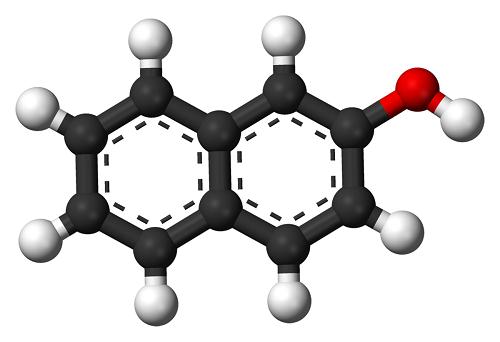
2-Naphthol:Production,Human Health,Environment
2-Naphthol is produced by sulfonation of naphthalene to 2-naphthalene sulfonic acid, and reaction with caustic soda solution to obtain the sodium salt. Reaction of the sodium salt with sodium hydrox
Feb 22,2023 Organic Chemistry
Sodium Citrate and Citric Acid
Sodium citrate and citric acid are both alkalinizing agents that make the urine less acidic. The combination of sodium citrate and citric acid is used to prevent gout or kidney stones, or metabolic ac
Feb 1,2023 Organic Chemistry
Uses and Hazards of Butyl lactate
?Butyl lactate is a colorless liquid with a mild odor. It is used in making paint, inks, perfumes and dry cleaning fluid, and as a solvent in varnish and lacquers.
Dec 30,2022 Organic Chemistry
Terephthalic acid:Properties,Mechanism,Application
Terephthalic acid is a white solid, it is used principally as a precursor to the polyester PET. The common name is derived from the turpentine-producing tree Pistacia terebinthus and phthalic acid.
Dec 28,2022 Organic Chemistry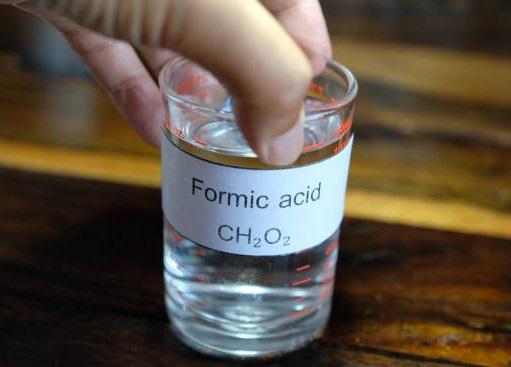
Is Formic Acid Harmful to Humans?
Formic acid is a colorless liquid with a strong pungent odor. It is used in the dyeing and finishing of textiles and paper, in the treatment of leather, and in the manufacture of many other chemicals.
Dec 27,2022 Organic Chemistry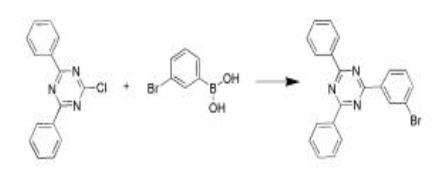
2,4-Diphenyl-6-[3-(4,4,5,5-tetramethyl-1,3,2-dioxaborolan-2-yl)phenyl]-1,3,5-triazine: Uses, Synthesis and Application
2,4-Diphenyl-6-[3-(4,4,5,5-tetramethyl-1,3,2-dioxaborolan-2-yl)phenyl]-1,3,5-triazine is an OLED intermediate.
Dec 14,2022 Organic Chemistry
Does L-methionine help your hair growth?
The passage talks about how L-methionine helps your hair growth.
Nov 29,2022 Organic Chemistry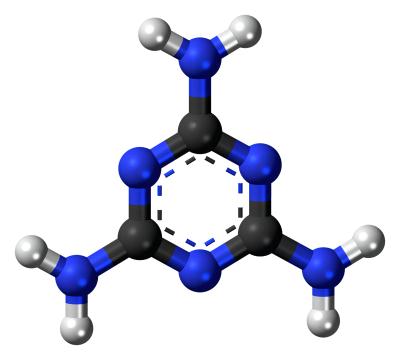
Is Melamine Safe?
The passage talks about whether Melamine is safe or not.
Nov 29,2022 Organic Chemistry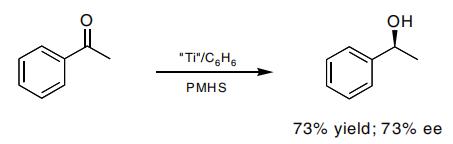
Asymmetric Silane Reductions
The passage is about asymmetric silane reductions.
Nov 25,2022 Organic Chemistry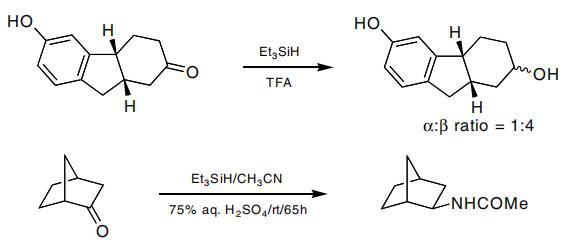
Silane Reduction of Ketones
The passage is about the silane reduction of Ketones.
Nov 25,2022 Organic Chemistry