


The organic raw materials are petrochemicals made of petroleum and natural gas, and the industries of various organic chemical products are produced or fractionated by the raw material gas after coal gasification and the coal tar recovered by dry distillation. In China's organic chemical industry, the first acetylene route from coal-based calcium carbide, coalification to methanol, formaldehyde route and recovery of coal tar in benzene, naphthalene, anthracene and other routes and the use of grain as raw material fermentation distillation to produce alcohol routes. Organic raw materials are widely used and can be divided into three aspects: one is the raw material used to produce polymer chemical products, that is, the monomer for polymerization; the other is used in other organic chemical industries, including raw materials for fine chemical products; Used in solvents, refrigerants, antifreezes, gas adsorbents, etc. Basic organic chemicals are the basis for the development of various organic chemical products and are a major component of modern industrial structures.
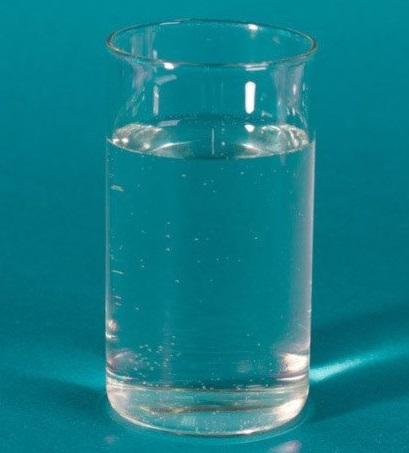
The Toxicity and Hazard of Ethyl acrylate
Ethyl acrylate is a colorless liquid with a pungent pungent odor. It is a chemical intermediate manufactured and processed almost entirely within closed systems to produce homopolymers and copolymers
Oct 22,2021 Organic Chemistry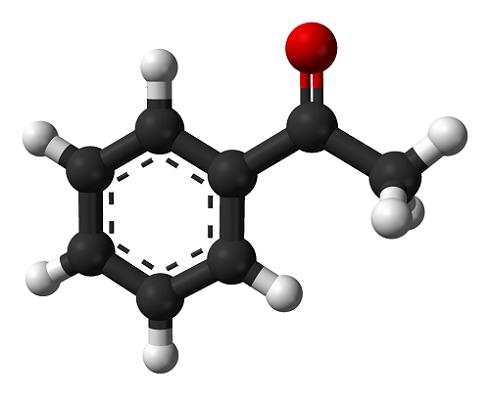
What is Acetophenone?
Acetophenone is an aromatic ketone found naturally in fruits, berries, nuts, and meat. Charles Friedel is credited with the first synthetic preparation of acetophenone by the distillation of a mixture
Oct 15,2021 Organic Chemistry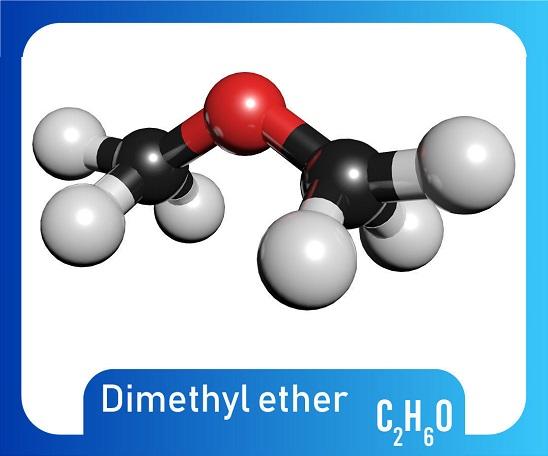
Toxicity of Dimethyl ether(DME)
Dimethyl ether(DME), also known as methyl ether and methoxymethane, is the simplest fatty ether. It is a derivative of the dehydration condensation of two molecules of methanol.
Oct 12,2021 Organic Chemistry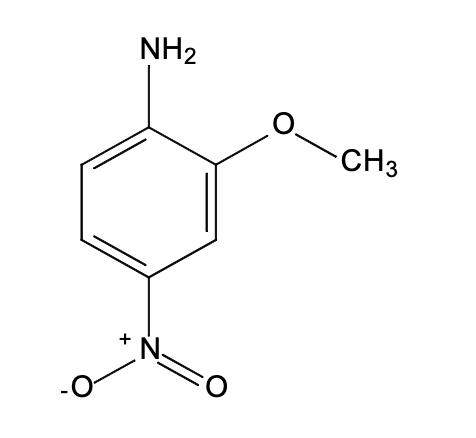
What is 2-Methoxy-4-nitroaniline?
2-Methoxy-4-nitroaniline (C7H8N2O3, CAS. No: 97-52-9) appears as the deep yellow powder with a melting point 141 degree. It is slightly soluble in water; soluble in alcohol, acetone, and DMSO. It has
Sep 30,2021 Organic Chemistry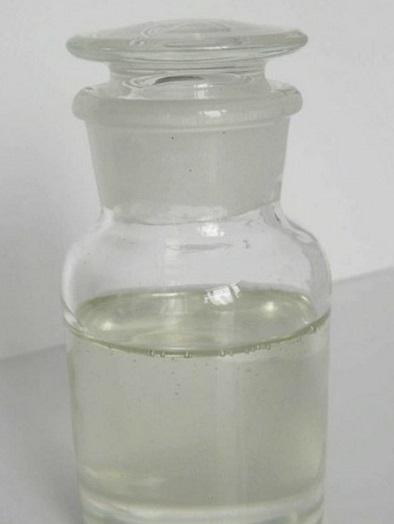
What is Triethyl phosphate?
Triethyl phosphate is a chemical compound with the formula (C2H5)3PO4 or OP(OEt)3. It is a colorless liquid. It is the triester of ethanol and phosphoric acid and can be called "phosphoric acid, triet
Sep 6,2021 Organic Chemistry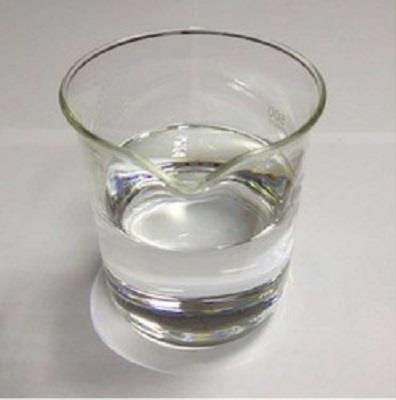
What is Dimethyl sulfate?
Dimethyl sulfate is a colorless oily liquid, odorless to a faint onion-like odor. It is very toxic by inhalation. It is a combustible liquid and has a flash point of 182°F. It is slightly soluble in w
Sep 6,2021 Organic Chemistry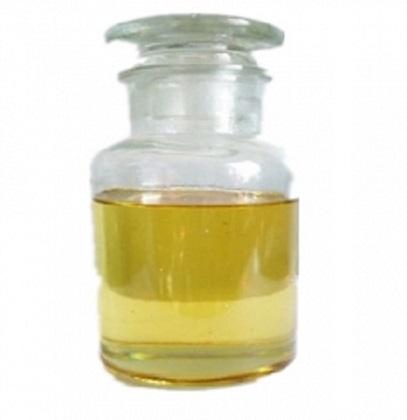
What is N-methylaniline?
N-methylaniline appears as a colorless to brown viscous liquid. Insoluble in water and denser than water. Contact may irritate skin, eyes and mucous membranes. May be toxic by ingestion. Used to make
Aug 27,2021 Organic Chemistry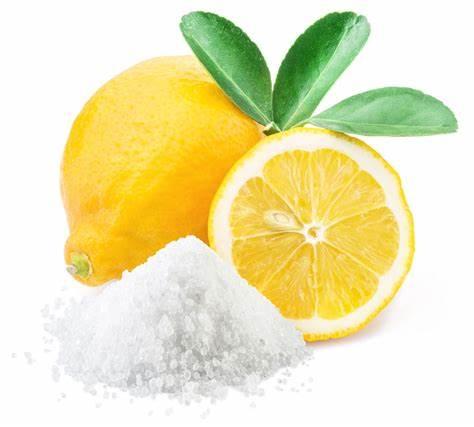
How do you make citric acid?
Citric acid is an organic compound with the chemical formula HOC(CO2H)(CH2CO2H)2. Usually encountered as a white solid, it is a weak organic acid. It occurs naturally in citrus fruits. In biochemistry
Aug 18,2021 Organic ChemistryWhat is the application of Poly(styrene sulfonic acid)?
Sodium polystyrene sulfonate solution is a water-soluble polymer with a unique effect, used in reactive emulsifiers, water-soluble polymers (coagulants, dispersants, container cleaning agents, cosmeti
Aug 18,2021 Organic Chemistry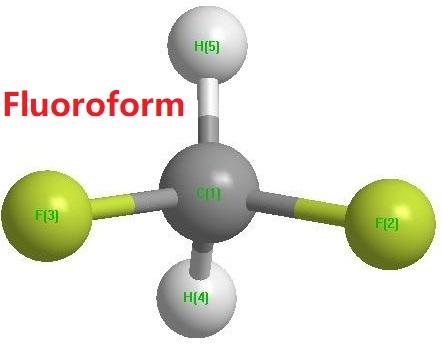
What is Fluoroform?
Fluoroform is a widely used ultra-low temperature refrigerant. Trifluoromethane(Fluoroform) can also be used as a gas fire extinguishing agent. It is an ideal substitute for Halon 1301.
Aug 13,2021 Organic Chemistry