


The organic raw materials are petrochemicals made of petroleum and natural gas, and the industries of various organic chemical products are produced or fractionated by the raw material gas after coal gasification and the coal tar recovered by dry distillation. In China's organic chemical industry, the first acetylene route from coal-based calcium carbide, coalification to methanol, formaldehyde route and recovery of coal tar in benzene, naphthalene, anthracene and other routes and the use of grain as raw material fermentation distillation to produce alcohol routes. Organic raw materials are widely used and can be divided into three aspects: one is the raw material used to produce polymer chemical products, that is, the monomer for polymerization; the other is used in other organic chemical industries, including raw materials for fine chemical products; Used in solvents, refrigerants, antifreezes, gas adsorbents, etc. Basic organic chemicals are the basis for the development of various organic chemical products and are a major component of modern industrial structures.

Diazomethane - Health Hazard and Toxicity
Diazomethane has a molecular weight of 42.041 g/mol, and a monoisotopic mass of 42.022 g/mol, which is also its exact mass. Diazomethane has a musty odor, and it is shipped in the form of compressed g
Sep 12,2019 Organic Chemistry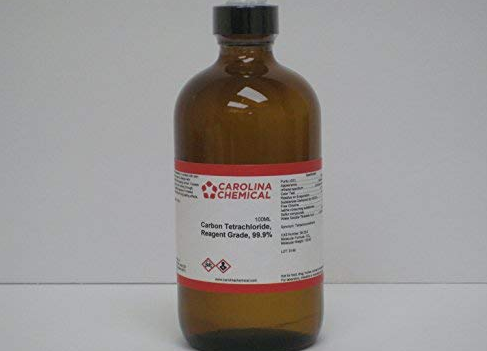
Carbon tetrachloride -Health Hazard and Toxicity
Carbon tetrachloride, also known as tetrachloromethane, has its molecule formula being CCl4. It appears as colorless liquid with the melting point of-23 ° C, boiling point of 76.8 ° C and the relative
Sep 11,2019 Organic Chemistry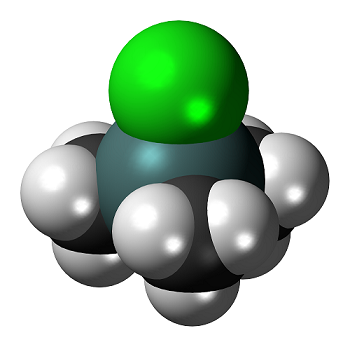
Trimethylaluminium-Health Hazards and Toxicity
Trimethylaluminum and related alkylaluminum reagents are pyrophoric materials that can react explosively with the moisture in tissues, causing severe burns.
Sep 10,2019 Organic Chemistry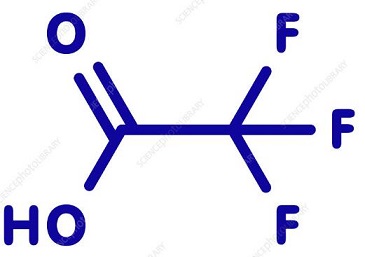
Trifluoroacetic acid-Health Hazards and Toxicity
Trifluoroacetic acid is a highly corrosive substance. Contact of the liquid with the skin, eyes, and mucous membranes can cause severe burns, and ingestion can result in serious damage to the digestiv
Sep 10,2019 Organic Chemistry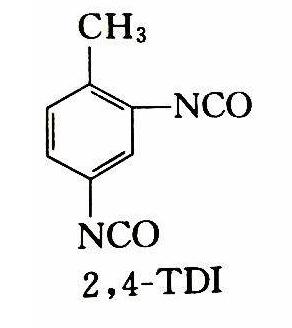
Toluene diisocyanate-Health Hazards and Toxicity
The acute toxicity of toluene diisocyanate by inhalation is high. Exposure to TDI can cause lung damage and decreased breathing capacity. Symptoms of exposure may include coughing, tightness of the ch
Sep 10,2019 Organic Chemistry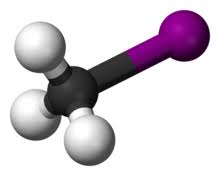
Iodomethane-Hazard and Toxicity
Iodomethane is also commonly called methyl iodide. It is a volatile liquid related to methane by replacement of hydrogen. Iodomethane is miscible with common organic solvents. It is colourless, althou
Sep 10,2019 Organic Chemistry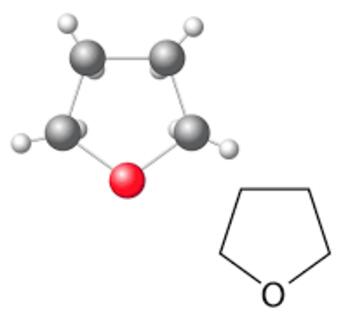
Tetrahydrofuran-Health Hazard and Toxicity
The acute toxicity of THF by inhalation and ingestion is low. Liquid THF is a severe eye irritant and a mild skin irritant, but is not a skin sensitizer. At vapor levels of 100 to 200 ppm, THF irritat
Sep 9,2019 Organic Chemistry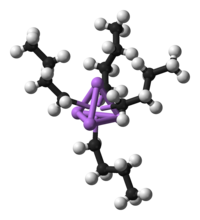
n-Butyllithium-Hazard and Toxicity
n-Butyllithium (abbreviated n-BuLi) is an organolithium reagent. It is widely used as a polymerization initiator in the production of elastomers such as polybutadiene or styrene-butadiene-styrene (SBS
Sep 6,2019 Organic Chemistry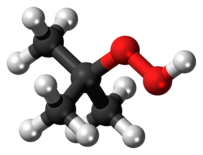
tert-Butyl hydroperoxide-Health Hazard and Toxicity
tert-Butyl hydroperoxide (tBuOOH) is an organic peroxide widely used in a variety of oxidation processes, for example Sharpless epoxidation.[3] It is normally supplied as a 69–70% aqueous solution.
Sep 6,2019 Organic Chemistry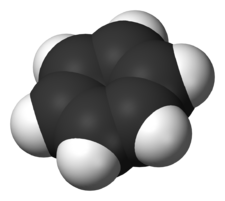
Benzene-Health Hazard and Toxicity
Benzene is a colorless, volatile, highly flammable liquid that is used extensively in the chemical industry and received wide interest in the early days of organic chemistry.Because of its structure,
Sep 6,2019 Organic Chemistry