


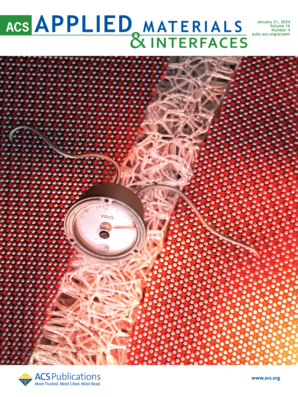
A Bioarmored Enzyme Cascade for Sustained Catalysis in Harsh Microenvironments
Abstract
Enzyme therapeutics operating in harsh physiological microenvironments are inherently constrained by rapid unfolding, proteolytic degradation, and acid-induced deactivation, especially in stomachs. These vulnerabilities severely limit catalytic longevity and practical efficacy, particularly for acetaldehyde detoxification in humans. Achieving durable enzymatic function in such hostile conditions requires a protective strategy that can physically armor enzymes while preserving molecular accessibility to substrates—an unresolved challenge in current biomaterial designs. Here, we introduce a bioarmored enzyme cascade by embedding an alcohol dehydrogenase (ADH) and aldehyde dehydrogenase (ALDH) dual-enzyme system within a villus-structured hydrogel (ADH/ALDH@VH). This collagen-based microscale grid and artificial villus architecture construct a hierarchical protective shell that mechanically stabilizes the enzymes, offers microenvironmental protection, prevents denaturation, and simultaneously preserves efficient mass transport. This bioarmoring strategy reconciles the long-standing conflict between enzyme protection and catalytic efficiency, yielding exceptional mechanical robustness and enhanced enzymatic kinetics (Kcat/Km increased by ∼1.1-fold relative to free enzymes). As a result, ADH/ALDH@VH retains high activity under acidic gastric conditions where free enzymes rapidly inactivate, enabling a 3020% enhancement in acetaldehyde metabolism under harsh environments. This bioarmored cascade establishes a generalizable platform for safeguarding fragile biocatalysts in hostile biological niches, opening opportunities for enzyme therapeutics in environments previously considered inaccessible.