


Active Pharmaceutical Ingredients (API), popularly speaking, are the raw materials of medicines, only pharmaceutical raw materials are processed into pharmaceutical preparations , can they become medicines available for clinical use, so drugs we usually eat are the finished drugs through processing. Active Pharmaceutical Ingredients based on its sources can be divided into two major categories ,including chemical synthetic drugs and natural chemical drugs. Chemical synthetic drugs can be divided into organic synthetic drugs and inorganic synthetic drugs. Inorganic synthetic drugs are inorganic compounds ( very few is element), such as aluminum hydroxide, magnesium trisilicate which are used for the treatment of gastric and duodenal ulcers ; organic synthetic drugs are mainly composed of drugs made by basic organic chemical raw materials, through a series of organic chemical reactions (such as aspirin, chloramphenicol, caffeine, etc.). Natural chemical drugs ,based on its sources,can be divided into two categories including biochemical drugs and plant chemical drugs. Antibiotics are generally made by the microbial fermentation, which belongs to the biochemistry category. A variety of semi-synthetic antibiotics occurs in recent years,which are biosynthesis and chemical synthesis combining products.Among active Pharmaceutical Ingredients, the organic synthetic drugs varieties, yields and values have the largest proportion,which are the main pillars of the chemical and pharmaceutical industries. The quality of active Pharmaceutical Ingredients decides whether the formulation is good or bad , so its quality standards are very strict ,countries in the world have developed national pharmacopoeia standards and strict quality control methods for its widely used active Pharmaceutical ingredients.
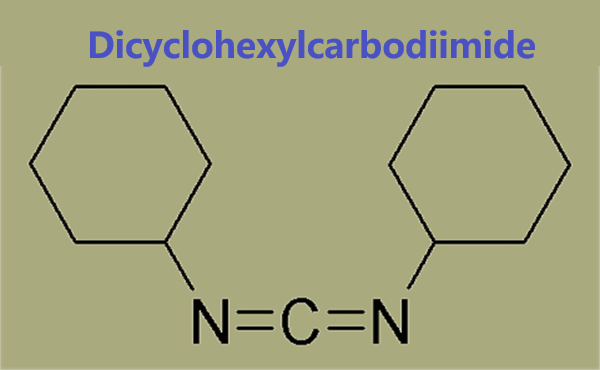
Dicyclohexylcarbodiimide(DCC) vs 4-(Dimethylamino)pyridine(DMAP): the difference between the two
Although both DCC and DMAP are used in chemical synthesis, there are differences in their applications.
Mar 27,2024 API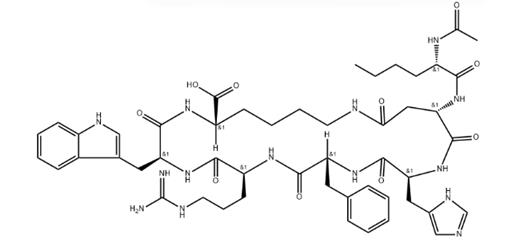
Exploring Bremelanotide: The Science Behind the Promising Drug
Bremelanotide is a peptide drug with the potential to address sexual dysfunction.
Mar 27,2024 API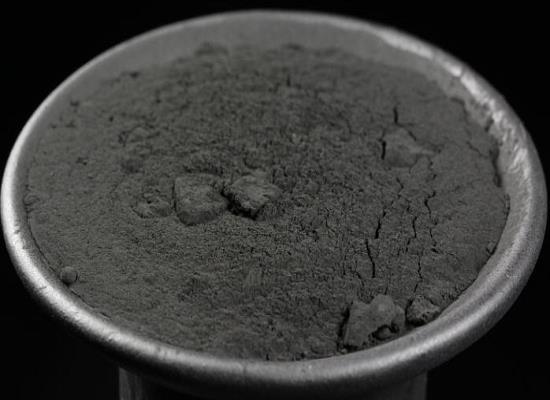
Exploring the Significance of Barium Chemistry in Soil Distribution and Plant Uptake
Barium chemistry studies its reactivity, distribution in soils, uptake by plants, and environmental impact for industrial and ecological relevance.
Mar 27,2024 API
11,12-Dihydroindolo[2,3-a]carbazole: Overview, Preparation Method and Applications in Anion Complexation and Sensing
11,12-Dihydroindolo[2,3-a]carbazole, with its unique structure, offers potential in anion complexation and sensing, showing promise in scientific exploration and advancements in sensor technology.
Mar 27,2024 API
Pepto-Bismol and Tum
Both Pepto-Bismol and Tums have antacid effects, which help neutralize stomach acid.
Mar 26,2024 API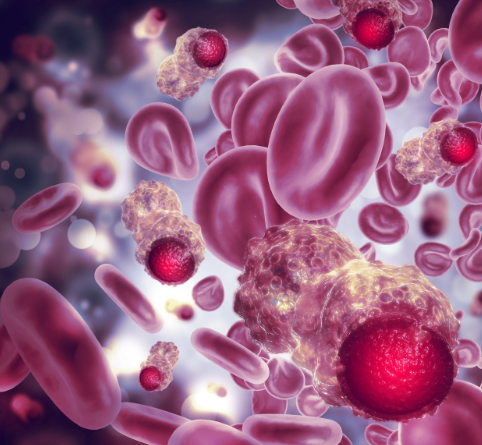
Fludarabine, cyclophosphamide and rituximab (FCR)
Combining fludarabine, cyclophosphamide, and rituximab (FCR) is a widely used CIT regimen for CLL
Mar 26,2024 API
Fludarabine: Mechanism of action, Uses, and Side effects
Fludarabine, also known as Fludara, is a chemotherapy drug. It is a purine analog antimetabolite that inhibits DNA synthesis.
Mar 26,2024 API
Antioxidant 1024: Synthesis Method and Applications in Nanocomposites
The specific synthesis method of Antioxidant 1024 ensures a 99% yield and significantly improves the thermo-oxidative stability of PP/PP-g-MA/OMMT nanocomposites.
Mar 26,2024 API
RAD140: Overview, Chemical Characteristics and Administration
RAD140, a Selective Androgen Receptor Modulator under research, popular for muscle growth benefits without testosterone side effects. Further studies needed for efficacy and safety confirmation.
Mar 26,2024 API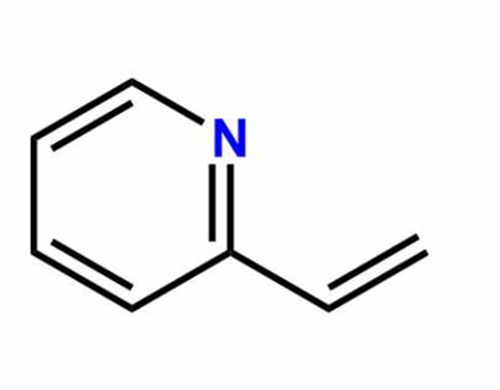
2-Vinylpyridine: Properties, Production process and Uses
2-Vinylpyridine is mainly used to form a terpolymer butadiene–styrene–vinyl pyridine latex with butadiene and styrene.
Mar 25,2024 API