


Active Pharmaceutical Ingredients (API), popularly speaking, are the raw materials of medicines, only pharmaceutical raw materials are processed into pharmaceutical preparations , can they become medicines available for clinical use, so drugs we usually eat are the finished drugs through processing. Active Pharmaceutical Ingredients based on its sources can be divided into two major categories ,including chemical synthetic drugs and natural chemical drugs. Chemical synthetic drugs can be divided into organic synthetic drugs and inorganic synthetic drugs. Inorganic synthetic drugs are inorganic compounds ( very few is element), such as aluminum hydroxide, magnesium trisilicate which are used for the treatment of gastric and duodenal ulcers ; organic synthetic drugs are mainly composed of drugs made by basic organic chemical raw materials, through a series of organic chemical reactions (such as aspirin, chloramphenicol, caffeine, etc.). Natural chemical drugs ,based on its sources,can be divided into two categories including biochemical drugs and plant chemical drugs. Antibiotics are generally made by the microbial fermentation, which belongs to the biochemistry category. A variety of semi-synthetic antibiotics occurs in recent years,which are biosynthesis and chemical synthesis combining products.Among active Pharmaceutical Ingredients, the organic synthetic drugs varieties, yields and values have the largest proportion,which are the main pillars of the chemical and pharmaceutical industries. The quality of active Pharmaceutical Ingredients decides whether the formulation is good or bad , so its quality standards are very strict ,countries in the world have developed national pharmacopoeia standards and strict quality control methods for its widely used active Pharmaceutical ingredients.
What are the effects and dangers of Camphor on the human body?
Camphor remains a product with the potential for serious toxicity in the pediatric patient. One mouthful (9.3 mL) of several currently available products has the potential to cause serious morbidity a
Dec 4,2023 API
Icariin: Osteoprotective effect;Anti-Atherosclerosis;Anti-Nervous System Diseases
Icariin is the main bioactive pharmaceutical ingredient isolated from the traditional Chinese medicine plant Epimedium, which has powerful cardiovascular protective functions and protective effects ag
Dec 4,2023 API
What is the function of L-Proline?
L-Proline is the primary amino acid found in cartilage and is important for maintaining youthful skin and repairing muscle, connective tissue and skin damage.
Dec 4,2023 API
Silymarin: Treatments for diseases and Side effects
Antiviral activity of silymarin and its derivatives against a wide range of viruses, including flaviviruses (hepatitis C virus, dengue virus), togaviruses (chikungunya virus, Mayaro virus), influenza
Dec 4,2023 API
Methyl 4-oxobutanoate: properties, applications and safety
Methyl 4-oxobutanoate is a versatile compound with solubility, reactivity, and biological effects, but requires careful handling due to potential irritations.
Dec 4,2023 API
Sulindac sulfide: mechanism of action, activities and safety
Sulindac sulfide shows anti-tumorigenic and anti-inflammatory properties but requires careful handling due to safety concerns.
Dec 4,2023 API
Eutylone: mechanism of action, clinical applications and toxicity
Eutylone is a synthetic cathinone with psychostimulant effects, but its recreational use is illegal and discouraged due to risks and adverse effects.
Dec 4,2023 API
The biological activity and cytotoxicity of Bisantrene
Bisantrene is a new anthracene anticancer agent active in the treatment of disseminated breast cancer.
Dec 1,2023 API
What are the adverse effects of Cyclohexylamine on humans?
Cycloheximide is pharmacologically active and acts similarly to reserpine. A single dose administered orally or intravenously causes an increase in blood pressure.
Dec 1,2023 API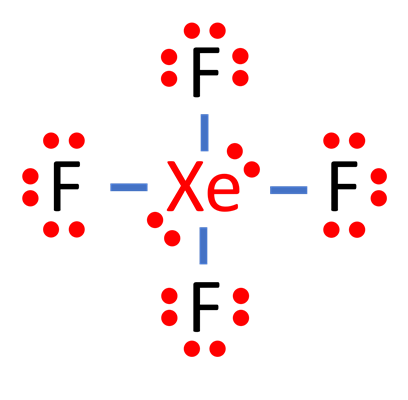
How the XeF4 lewis structure is formed
The XeF4 Lewis structure consists of a central atom, xenon (Xe), and four outer atoms, fluorine (F), bonded at 90° and 180°. The xenon atom (Xe) and each fluorine atom (F) are connected by a single bo
Dec 1,2023 API