


Active Pharmaceutical Ingredients (API), popularly speaking, are the raw materials of medicines, only pharmaceutical raw materials are processed into pharmaceutical preparations , can they become medicines available for clinical use, so drugs we usually eat are the finished drugs through processing. Active Pharmaceutical Ingredients based on its sources can be divided into two major categories ,including chemical synthetic drugs and natural chemical drugs. Chemical synthetic drugs can be divided into organic synthetic drugs and inorganic synthetic drugs. Inorganic synthetic drugs are inorganic compounds ( very few is element), such as aluminum hydroxide, magnesium trisilicate which are used for the treatment of gastric and duodenal ulcers ; organic synthetic drugs are mainly composed of drugs made by basic organic chemical raw materials, through a series of organic chemical reactions (such as aspirin, chloramphenicol, caffeine, etc.). Natural chemical drugs ,based on its sources,can be divided into two categories including biochemical drugs and plant chemical drugs. Antibiotics are generally made by the microbial fermentation, which belongs to the biochemistry category. A variety of semi-synthetic antibiotics occurs in recent years,which are biosynthesis and chemical synthesis combining products.Among active Pharmaceutical Ingredients, the organic synthetic drugs varieties, yields and values have the largest proportion,which are the main pillars of the chemical and pharmaceutical industries. The quality of active Pharmaceutical Ingredients decides whether the formulation is good or bad , so its quality standards are very strict ,countries in the world have developed national pharmacopoeia standards and strict quality control methods for its widely used active Pharmaceutical ingredients.
1H,1H,2H,2H-Perfluorodecyltriethoxysilane: properties, applications and safety
1H,1H,2H,2H-Perfluorodecyltriethoxysilane offers unique surface modification properties, including hydrophobicity, adhesion, low surface energy, and exceptional stability.
Nov 16,2023 API
L(+)-Rhamnose monohydrate: origin, activities and applications
L(+)-Rhamnose monohydrate is a versatile natural sugar with prebiotic, antimicrobial, and therapeutic properties used in various industries.
Nov 16,2023 API
1-Adamantanamine hydrochloride:an antiviral substance
1-Adamantanamine hydrochloride is a synthetic organic compound with highly soluble, relatively non-toxic, and biologically stable
Nov 16,2023 API
Introduction and Uses of NADP sodium salt
NADP sodium salt is a nicotinamide adenine dinucleotide, a redox cofactor. NADP sodium salt is also an energy sensor, signalling molecule, redox couple and plays an important role in plant metabolism,
Nov 16,2023 API
1,3-Bis (2,6-diisopropylphenyl) imidazolium chloride: properties, applications and safety
1,3-Bis(2,6-diisopropylphenyl)imidazolium chloride is a valuable tool in organic synthesis but requires cautious handling.
Nov 16,2023 API
Phenylurea: properties, applications and safety
Phenylurea has versatile applications but requires proper handling and disposal due to its toxicity.
Nov 16,2023 API
3-(1-Pyridinio)-1-propanesulfonate: properties, applications and safety
3-(1-Pyridinio)-1-propanesulfonate has versatile applications but requires proper safety precautions when handling.
Nov 16,2023 API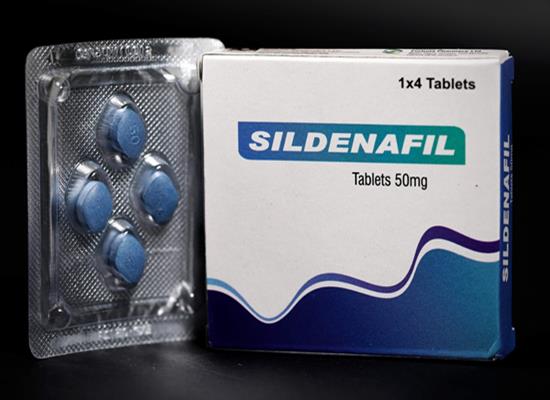
Sildenafil: mechanism of action, clinical applications and safety
Sildenafil is a safe and effective medication for erectile dysfunction and pulmonary arterial hypertension, improving blood flow and promoting smooth muscle relaxation.
Nov 16,2023 API
Thymosin α1 in combination with Zoledronic acid in the treatment of prostate cancer
Zoledronic acid and thymosin α1 elicit antitumor immunity against prostate cancer by enhancing tumor inflammation and cytotoxic T cells
Nov 15,2023 API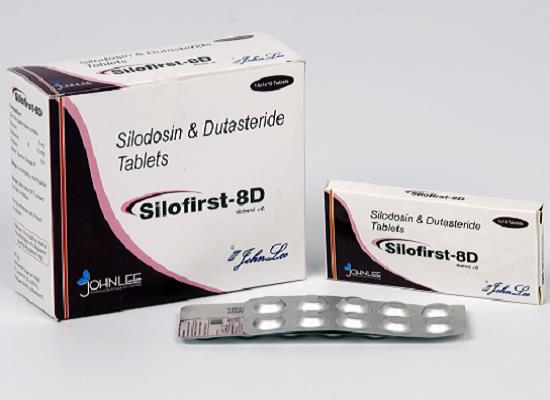
Silodosin: pharmacodynamic, pharmacokinetic and clinical applications
Silodosin is an effective medication for lower urinary tract associated with benign prostatic hyperplasia, inducing smooth muscle relaxation through selective antagonism of alpha-1A adrenoceptors.
Nov 15,2023 API