


Active Pharmaceutical Ingredients (API), popularly speaking, are the raw materials of medicines, only pharmaceutical raw materials are processed into pharmaceutical preparations , can they become medicines available for clinical use, so drugs we usually eat are the finished drugs through processing. Active Pharmaceutical Ingredients based on its sources can be divided into two major categories ,including chemical synthetic drugs and natural chemical drugs. Chemical synthetic drugs can be divided into organic synthetic drugs and inorganic synthetic drugs. Inorganic synthetic drugs are inorganic compounds ( very few is element), such as aluminum hydroxide, magnesium trisilicate which are used for the treatment of gastric and duodenal ulcers ; organic synthetic drugs are mainly composed of drugs made by basic organic chemical raw materials, through a series of organic chemical reactions (such as aspirin, chloramphenicol, caffeine, etc.). Natural chemical drugs ,based on its sources,can be divided into two categories including biochemical drugs and plant chemical drugs. Antibiotics are generally made by the microbial fermentation, which belongs to the biochemistry category. A variety of semi-synthetic antibiotics occurs in recent years,which are biosynthesis and chemical synthesis combining products.Among active Pharmaceutical Ingredients, the organic synthetic drugs varieties, yields and values have the largest proportion,which are the main pillars of the chemical and pharmaceutical industries. The quality of active Pharmaceutical Ingredients decides whether the formulation is good or bad , so its quality standards are very strict ,countries in the world have developed national pharmacopoeia standards and strict quality control methods for its widely used active Pharmaceutical ingredients.

3'-methoxypropiophenone: Synthesis and Applications in Pharmaceutical Chemistry
3'-Methoxypropiophenone (3-MOP) is an organic compound belonging to the ketone class of compounds.
Mar 21,2023 API
Rotundine: Indication, Pharmacodynamics, Mechanism of action,Toxicity, Preparation
The Rotundine (C21H25NO4), also known as fumarate, that is, l-tetrahydropalmatine (l-THP), is an alkaloid extracted from the dried alkyne stem of the W.T.Wang of the poppy plant Corydalis yanhusuo.
Mar 20,2023 API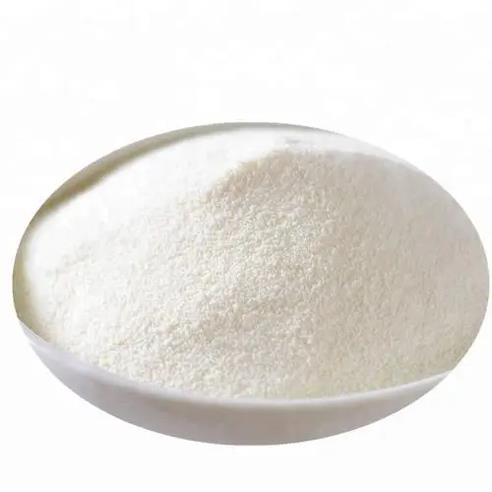
Bimatoprost: Its bioactivity, mechanism, and pharmacology
Bimatoprost is one compound in a new class of highly efficacious ocular hypotensive agents. It is pharmacologically unique and appears to mimic the prostamides.
Mar 20,2023 API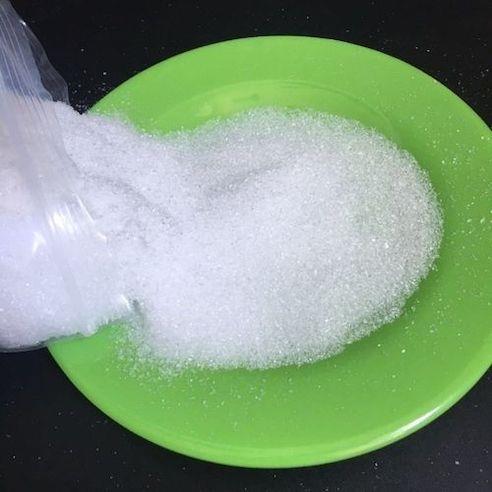
Magnesium sulfate heptahydrate: Application, Dosages and Toxicity
Magnesium sulfate heptahydrate, a white or colorless needle-shaped or inclined columnar crystal, has a wide range of application, such as being a weighting agent or a cathartic salt.
Mar 16,2023 API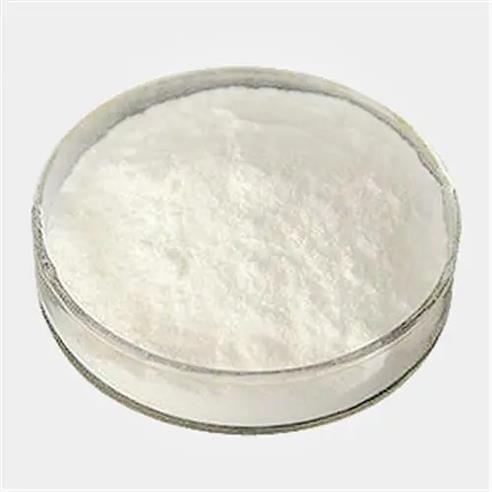
Hydrocortisone:Application,Bioactivities,Pharmacokinetics
Hydrocortisone, an important adrenal glucocorticoid, can affect glucose metabolism and has anti-inflammatory, antiviral and anti-allergic activities.
Mar 16,2023 API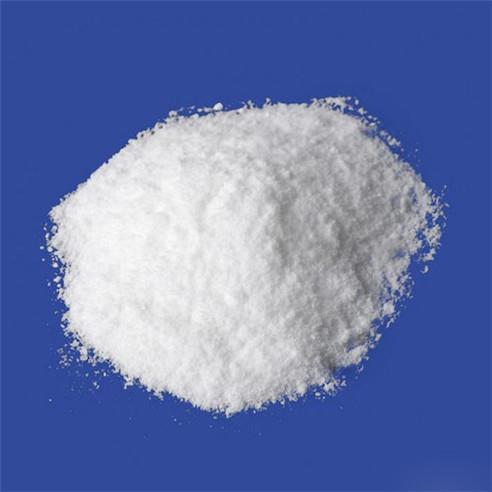
4-[(2,4-Dimethoxyphenyl)(Fmoc-amino)methyl]phenoxyacetic acid: Synthesis, bioactivity and toxicity
The 4-[(2,4-Dimethoxyphenyl)(Fmoc-amino)methyl]phenoxyacetic acid is a chemical linker, which is often used to synthesize peptides. It can improve the diabetic complications.
Mar 15,2023 API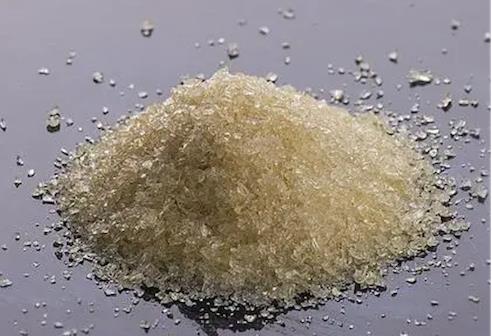
Potassium sorbate: Chemical synthesis, application, and toxicity
The potassium sorbate, a white to light yellow crystals, has antiseptic and antibacterial activities with non-toxic to human body when used at common concentrations.
Mar 15,2023 API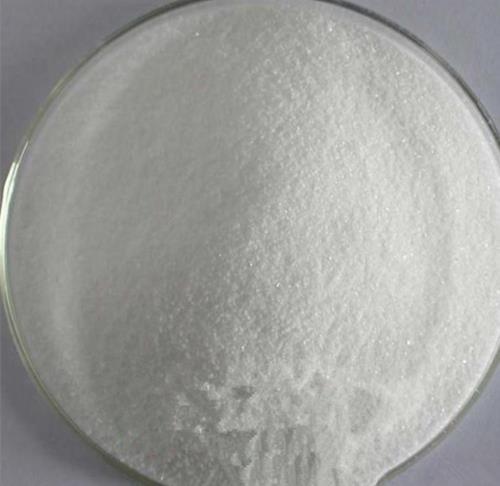
N-Benzyl-9-(tetrahydro-2H-pyran-2-yl)adenine: Synthesis and Applications in Chemistry and Plants Growth
N-Benzyl-9-(tetrahydro-2H-pyran-2-yl)adenine is a highly mobile synthetic cytokinin.
Mar 15,2023 API
4-bromo-2,5-difluorobenzoic acid: Preparation and Applications in Bioorganic Chemistry
4-Bromo-2,5-difluorobenzoic acid is a synthetic chemical compound that is widely used in scientific research.
Mar 15,2023 API
DM4:Activity and Preparation
The DM4, as the cytotoxic agent refering to a substance that inhibits or prevents one or more cellular functions or causes cell death, it can be used in the preparation of antibody drug conjugate.
Mar 10,2023 API