


Active Pharmaceutical Ingredients (API), popularly speaking, are the raw materials of medicines, only pharmaceutical raw materials are processed into pharmaceutical preparations , can they become medicines available for clinical use, so drugs we usually eat are the finished drugs through processing. Active Pharmaceutical Ingredients based on its sources can be divided into two major categories ,including chemical synthetic drugs and natural chemical drugs. Chemical synthetic drugs can be divided into organic synthetic drugs and inorganic synthetic drugs. Inorganic synthetic drugs are inorganic compounds ( very few is element), such as aluminum hydroxide, magnesium trisilicate which are used for the treatment of gastric and duodenal ulcers ; organic synthetic drugs are mainly composed of drugs made by basic organic chemical raw materials, through a series of organic chemical reactions (such as aspirin, chloramphenicol, caffeine, etc.). Natural chemical drugs ,based on its sources,can be divided into two categories including biochemical drugs and plant chemical drugs. Antibiotics are generally made by the microbial fermentation, which belongs to the biochemistry category. A variety of semi-synthetic antibiotics occurs in recent years,which are biosynthesis and chemical synthesis combining products.Among active Pharmaceutical Ingredients, the organic synthetic drugs varieties, yields and values have the largest proportion,which are the main pillars of the chemical and pharmaceutical industries. The quality of active Pharmaceutical Ingredients decides whether the formulation is good or bad , so its quality standards are very strict ,countries in the world have developed national pharmacopoeia standards and strict quality control methods for its widely used active Pharmaceutical ingredients.
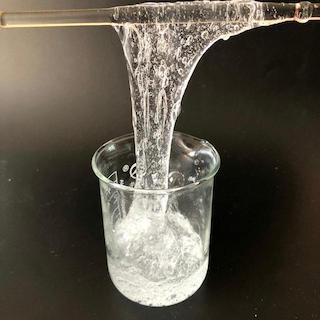
Stannous octoate: Application and Chemical synthesis
Stannous octoate is a yellow to white viscous liquid. It is often used as an auxiliary agent for polyurethane industry, as well as an efficient catalyst and antioxidant.
Mar 6,2023 API
4'-Bromo-3'-methylacetophenone:Synthesis,Applications
4'-Bromo-3'-methylacetophenone is a white organic compound which can serve as an intermediate in the applications of various bioorganic compounds preparation.
Mar 6,2023 API
Metformin: Activity, Pharmacodynamics, Mechanisms and Application Studies
The metformin is biguanide containing two coupled molecules of guanidine with additional substitutions. It has been widely used to treat diabetes since the 1950s.
Mar 3,2023 API
Silicone oil (high temperature): Application and Chemical Studies
Silicone oil (high temperature) is a product in which some methyl groups in methyl silicone oil are replaced by phenyl groups. It was used in many fields, especially in personal care, aerospace.
Mar 3,2023 API
Capecitabine:Synthesis, Mechanism, Pharmacokinetics, Application, Toxicity
Capecitabine is a novel oral fluoropyrimidine carbamate that is preferentially converted to the cytotoxic moiety fluorouracil (5-fluorouracil) in target tumour tissue through 3 metabolic steps.
Mar 2,2023 API
Acesulfame:Preparation, Metabolism, Stability and Application Studies
Acesulfame is used as artificial sweetener for food, also used in cosmetics. High-purity acesulfame can thus be produced on a technical scale while meeting the purity requirements for food additives.
Mar 2,2023 API
Entecavir: Preparation, Pharmacodynamics, Safety and Chemical Studies
The entecavir, a viral replication inhibitor,and belongs to a carbocyclic guanosine nucleoside analog. It was approved for the treatment of chronic HBV infection in adults.
Mar 1,2023 API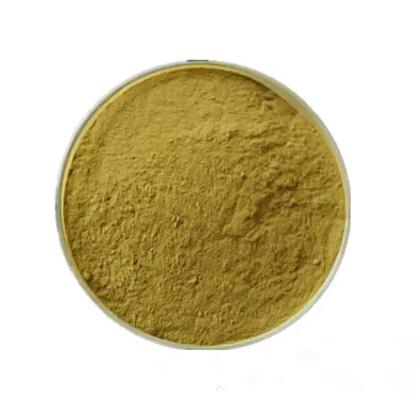
Btk Kinase inhibitor: Mechanism, Application And Toxicity Studies
Btk Kinase inhibitor is highly potent and selective orally administered, small molecule. It was approved in Japan for the treatment of recurrent or refractory primary central nervous system lymphoma.
Mar 1,2023 API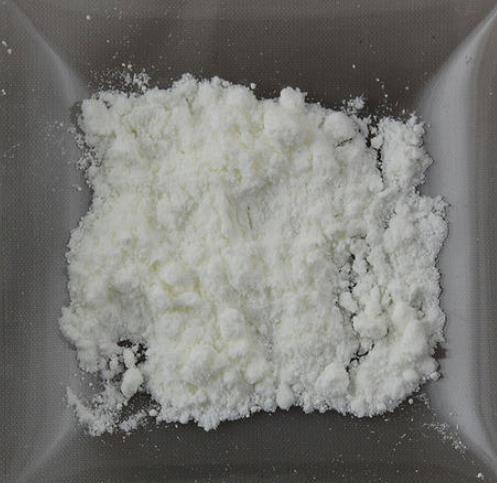
Calcitriol: Activity, Mechanisms, Application, Toxicity and Contraindications Studies
Calcitriol, the hormonally active form of vitamin D3, It produced in the skin, and dietary vitamin D3 are metabolized first in the liver to 25-hydroxyvitamin D3 and then in the kidney to calcitriol.
Mar 1,2023 API
The introduction of Glucose oxidase
Glucose oxidase is an enzyme found in molds such as Penicillium notatum and honey. It can catalyze D-glucose and O2 to produce D-gluconic acid (δ- Lactone) and H2O2.
Feb 28,2023 API