


Active Pharmaceutical Ingredients (API), popularly speaking, are the raw materials of medicines, only pharmaceutical raw materials are processed into pharmaceutical preparations , can they become medicines available for clinical use, so drugs we usually eat are the finished drugs through processing. Active Pharmaceutical Ingredients based on its sources can be divided into two major categories ,including chemical synthetic drugs and natural chemical drugs. Chemical synthetic drugs can be divided into organic synthetic drugs and inorganic synthetic drugs. Inorganic synthetic drugs are inorganic compounds ( very few is element), such as aluminum hydroxide, magnesium trisilicate which are used for the treatment of gastric and duodenal ulcers ; organic synthetic drugs are mainly composed of drugs made by basic organic chemical raw materials, through a series of organic chemical reactions (such as aspirin, chloramphenicol, caffeine, etc.). Natural chemical drugs ,based on its sources,can be divided into two categories including biochemical drugs and plant chemical drugs. Antibiotics are generally made by the microbial fermentation, which belongs to the biochemistry category. A variety of semi-synthetic antibiotics occurs in recent years,which are biosynthesis and chemical synthesis combining products.Among active Pharmaceutical Ingredients, the organic synthetic drugs varieties, yields and values have the largest proportion,which are the main pillars of the chemical and pharmaceutical industries. The quality of active Pharmaceutical Ingredients decides whether the formulation is good or bad , so its quality standards are very strict ,countries in the world have developed national pharmacopoeia standards and strict quality control methods for its widely used active Pharmaceutical ingredients.
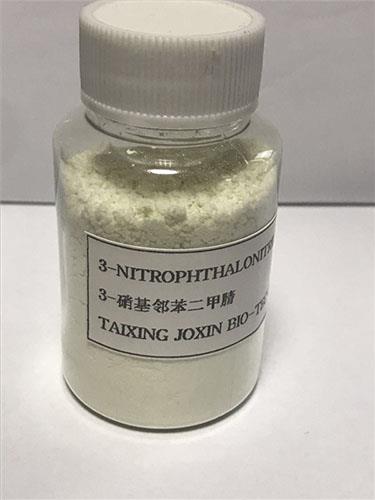
Application of 3-nitrophthalonitrile
3-Nitrophthalonitrile can be used to synthesize a variety of important organic dyes and pigment intermediates and is a very important chemical raw material.
Oct 14,2022 API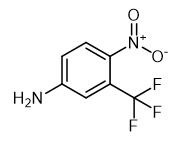
Synthesis and application of 4-Nitro-3-trifluoromethyl aniline
4-Nitro-3-trifluoromethyl aniline can be used to prepare non steroidal antiandrogenic drug flutamide.
Oct 13,2022 API
Application and preparation of tiamulin fumarate
Tiamulin fumarate is a new type of semi-fermented semi-synthetic diterpenoid antibiotic for animals.
Oct 13,2022 API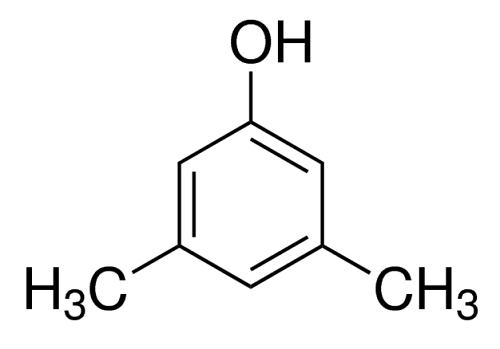
Application and preparation of 3,5-dimethylphenol
3,5-dimethylphenol is a colorless or yellowish needle like crystal, slightly soluble in water and soluble in organic solvents such as sodium hydroxide solution and ethanol.
Oct 13,2022 API
Preparation method of epicatechin gallate
Epicatechin achyrate (ECG) is a major component of green tea, which can prevent and treat cancer, cardiovascular disease.
Oct 12,2022 API
Application and Synthesis of spermidine
Spermidine (Spd) is a kind of low molecular weight nitrogenous base commonly existing in organisms.
Oct 12,2022 API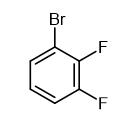
Synthesis and Application of 2,3-Difluorobromobenzene
2,3-Difluorobromobenzene is mainly used as a pharmaceutical intermediate.
Oct 11,2022 API
Function and pharmacokinetic parameters of tulathromycin A
Tulathromycin A is a new macrolide antibiotic specially used for mammals.
Oct 11,2022 API
The adverse effects of Tianeptine
Tianeptine is an antidepressant agent with a novel neurochemical profile.
Oct 11,2022 API
The synthesis and research of UV-326
UV-326 is a representative product of this kind of products, characterized by low toxicity and strong ability to absorb ultraviolet light.
Oct 11,2022 API