


Active Pharmaceutical Ingredients (API), popularly speaking, are the raw materials of medicines, only pharmaceutical raw materials are processed into pharmaceutical preparations , can they become medicines available for clinical use, so drugs we usually eat are the finished drugs through processing. Active Pharmaceutical Ingredients based on its sources can be divided into two major categories ,including chemical synthetic drugs and natural chemical drugs. Chemical synthetic drugs can be divided into organic synthetic drugs and inorganic synthetic drugs. Inorganic synthetic drugs are inorganic compounds ( very few is element), such as aluminum hydroxide, magnesium trisilicate which are used for the treatment of gastric and duodenal ulcers ; organic synthetic drugs are mainly composed of drugs made by basic organic chemical raw materials, through a series of organic chemical reactions (such as aspirin, chloramphenicol, caffeine, etc.). Natural chemical drugs ,based on its sources,can be divided into two categories including biochemical drugs and plant chemical drugs. Antibiotics are generally made by the microbial fermentation, which belongs to the biochemistry category. A variety of semi-synthetic antibiotics occurs in recent years,which are biosynthesis and chemical synthesis combining products.Among active Pharmaceutical Ingredients, the organic synthetic drugs varieties, yields and values have the largest proportion,which are the main pillars of the chemical and pharmaceutical industries. The quality of active Pharmaceutical Ingredients decides whether the formulation is good or bad , so its quality standards are very strict ,countries in the world have developed national pharmacopoeia standards and strict quality control methods for its widely used active Pharmaceutical ingredients.
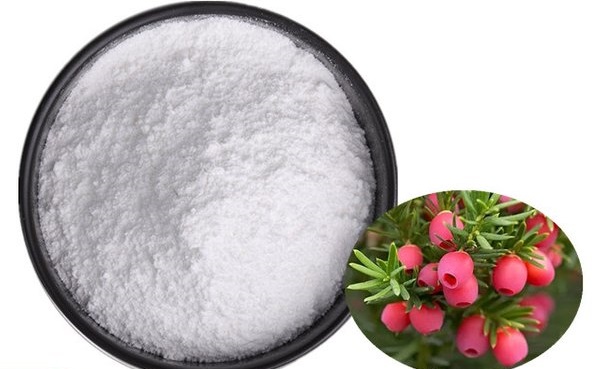
Adverse Reactions and Precautions of Paclitaxel
Paclitaxel, as a third-generation chemotherapy drug, is a landmark tumor chemotherapy drug. It has dealt with many cancer cells, and its efficacy has been verified by long-term clinical practice.
Jun 23,2025 API
What is Ramipril? What are the common Adverse Effects of Ramipril?
Ramipril is a medicine widely used to treat high blood pressure (hypertension) and heart failure. It's also prescribed after a heart attack.
Jun 23,2025 API
Diltiazem Hydrochloride: Cardiovascular Applications and Liver Safety Profile
Diltiazem hydrochloride treats angina and arrhythmias by relaxing blood vessels, and shows effective rate control in atrial fibrillation.
Jun 23,2025 API
Baricitinib phosphate salt:Uses,Mechanism of action and Crystal forms
Baricitinib phosphate salt is a JAK kinase inhibitor that inhibits the JAK-STAT signaling pathway in cells in vivo.
Jun 23,2025 API
Ibrexafungerp: Mechanism of Action and Instructions for Use
Ibrexafungerp is the first fourth-generation antifungal drug with a new mechanism of action. It can cover most Candida, Aspergillus, Penicillium multivariate and rare diphasic fungi (such as Histoplas
Jun 20,2025 API
Tropicamide:Class,Uses,Side effects and Administration
Tropicamide is an alkaloid atropine‐derived anticholinergic drug and a non‐selective antagonist of muscarinic acetylcholine (mACh) receptors.
Jun 20,2025 API
LCZ696: A Dual-Action Inhibitor for Hypertension and Heart Failure
LCZ696, an ARNI combining valsartan and AHU377, reduces blood pressure and improves heart function in hypertension and heart failure.
Jun 20,2025 API
Imatinib: Targeted Tyrosine Kinase Inhibitor Transforming Cancer Treatment
Imatinib revolutionizes CML treatment by blocking leukemic cell proliferation, showing durable responses and long-term survival benefits.
Jun 20,2025 API
Fusidic acid:Chemical properties,Uses,Mechanism of action and Side effects
Fusidic acid, a narrow-spectrum antibiotic, is used both systemically and topically to treat primary skin infections, including impetigo.
Jun 19,2025 API
Lithium Sulfide: Properties, Applications, and Advancements in Energy Storage
Lithium sulfide, used in Li-S batteries and solid electrolytes, offers high capacity but faces challenges like high overpotential and slow kinetics.
Jun 19,2025 API