


Biochemical Engineering is one of the pillar industries of the 21st century and is the interdiscipline of biology, chemistry and engineering, being the general term of biochemical engineering and bio-processing engineering as well as being a branch of biotechnology. It is also one of the frontiers of chemical engineering disciplines and is the means for the conversion of biological technology into productivity, industrialization and commercialization. Biochemical Engineering products are products with animals, plants, microorganisms as raw materials and processing through approaches of biochemical engineering, physics and chemistry. It is widely applied to various kinds of fields including medicine, food, feed, basic organic chemicals, organic acids and bio-pesticides.

The brief introduction of Octreotide acetate
Octreotide Acetate Injection, a cyclic octapeptide prepared as a clear sterile solution of octreotide, acetate salt, in a buffered acetate solution for administration by deep subcutaneous (intrafat) o
Apr 10,2024 Biochemical Engineering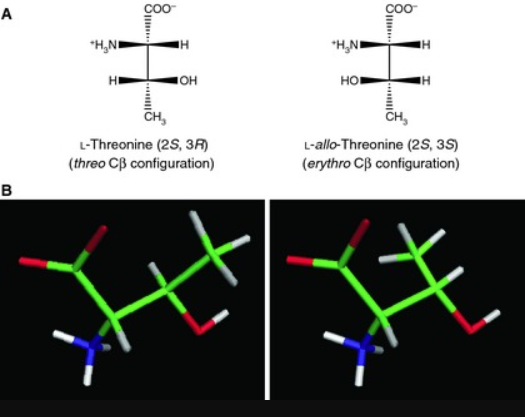
D-Threonine VS L-Threonine
D-threonine is one of the essential unnatural amino acids and is used as a chiral building block of peptidomimetic drugs for the treatment of peripheral opioid side effects and analgesic applications.
Mar 28,2024 Biochemical Engineering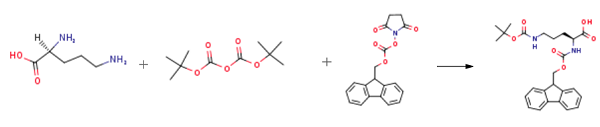
The uses of Fmoc-Orn(Boc)-OH
Fmoc-Orn(Boc)-OH is an ornithine-containing amino acid building block. It has been used to conjugate ornithine to GFP-labeled peptides, enhancing cell permeability compared to unconjugated GFP-labeled
Mar 28,2024 Biochemical Engineering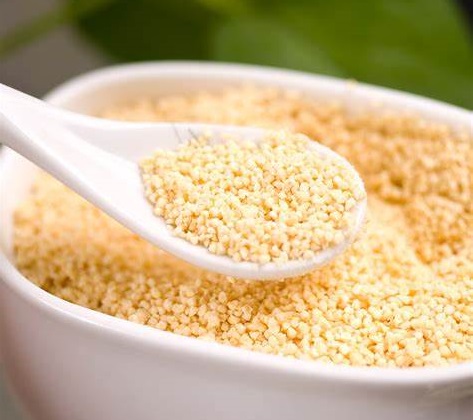
What is the Difference between Sunflower Lecithin and Soy Lecithin?
The most popular lecithins currently include sunflower lecithin and soy lecithin. This article will introduce their differences.
Mar 26,2024 Biochemical Engineering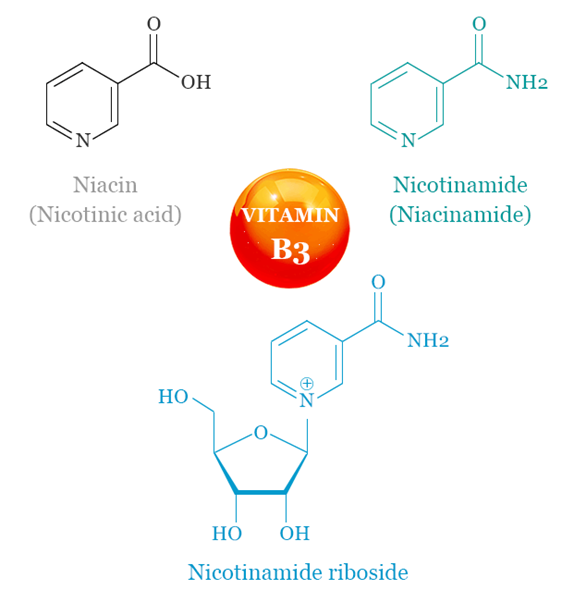
Niacin vs Niacinamide vs Nicotinamide Riboside: what's the difference?
Nicotinic acid, nicotinamide and nicotinamide riboside are the vitamin B3 precursors of nicotinamide adenine dinucleotide (NAD) in the human diet.
Mar 21,2024 Biochemical Engineering
What is the use of the ALC-0159?
ALC-0159 is a polyethylene glycolated lipid that can be used as a vaccine excipient and has been used in the pharmaceutical field to form lipid nanoparticles (LNPs) for the delivery of RNA.
Mar 18,2024 Biochemical Engineering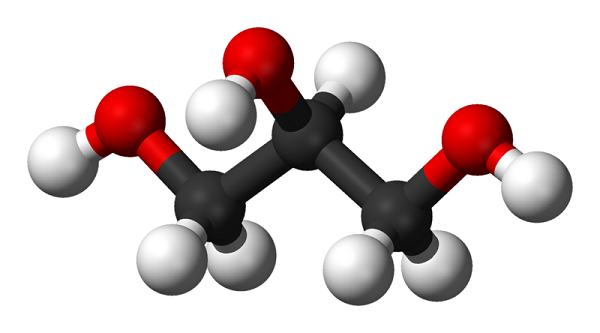
Is glycerin halal?
Glycerin is produced industrially, usually as a by-product of soap manufacture, from oils and fats. It can be made from animal fat or, in the case of vegetable glycerin, vegetable oil.
Mar 18,2024 Biochemical Engineering
ALC-0315: Application and Synthesis
ALC-0315, also known as ((4-hydroxybutyl)azanediyl)bis(hexane-6,1-diyl)bis(2-hexyldecanoate), is an ionisable amino lipid.
Mar 18,2024 Biochemical Engineering
Does thymosin beta 4 cause cancer?
Thymosin beta 4 may play an oncogenic role in NSCLC progression.
Mar 18,2024 Biochemical Engineering
What is 1,2-Dipalmitoyl-sn-glycero-3-phosphoethanolamine used for?
1,2-Dipalmitoyl-sn-glycero-3-phosphoethanolamine (DPPE) is an important component of biological membranes and is a phospholipid member of the glycerophosphatidylethanolamine family.
Mar 15,2024 Biochemical Engineering