


Biochemical Engineering is one of the pillar industries of the 21st century and is the interdiscipline of biology, chemistry and engineering, being the general term of biochemical engineering and bio-processing engineering as well as being a branch of biotechnology. It is also one of the frontiers of chemical engineering disciplines and is the means for the conversion of biological technology into productivity, industrialization and commercialization. Biochemical Engineering products are products with animals, plants, microorganisms as raw materials and processing through approaches of biochemical engineering, physics and chemistry. It is widely applied to various kinds of fields including medicine, food, feed, basic organic chemicals, organic acids and bio-pesticides.

Pharmacological action and biochemical effects of Ursolic acid
Ursolic acid is a pentacyclic triterpene acid present in many plants, including apples, bilberries, cranberries, elder flower, peppermint, lavender, oregano, thyme, hawthorn, prunes.
Jul 20,2022 Biochemical Engineering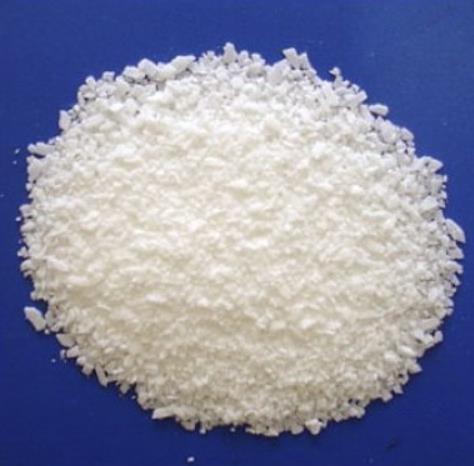
Applicaton and benefits of Lauric acid
Lauric acid, systematically dodecanoic acid,is a white, crystalline, water-insoluble powder, C12H24O2, a fatty acid occurring as the glyceride in many vegetable fats, especially coconut oil and laurel
Jul 19,2022 Biochemical Engineering
Side effects and uses of Elagolix Sodium
Elagolix Sodium has been used in trials studying the basic science and treatment of Endometriosis, Folliculogenesis, Uterine Fibroids, Heavy Uterine Bleeding, and Heavy Menstrual Bleeding.
Jul 18,2022 Biochemical Engineering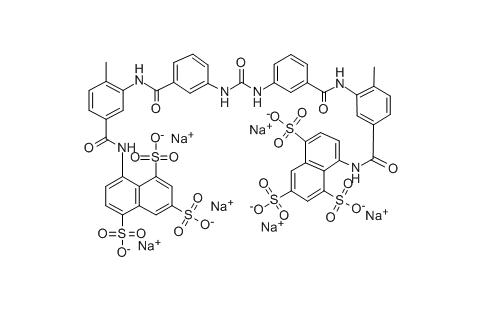
Side effects of Suramin
Suramin is used in the treatment of African sleeping sickness (African trypanosomiasis) and river blindness (onchocerciasis), infections caused by parasites. This medicine works by causing the parasit
Jul 15,2022 Biochemical Engineering
Production and research of Chitosan hydrochloride
Chitosan hydrochloride is the chloride salt of an unbranched binary heteropolysaccharide consisting of the two units N-acetyl-D-glucosamine and D-glucosamine, obtained by partial deacetylation of chit
Jul 15,2022 Biochemical Engineering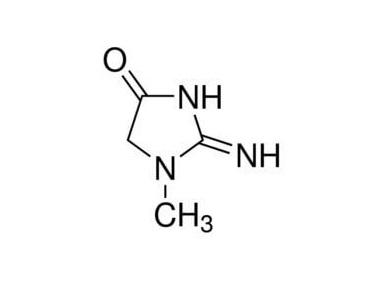
Diagnostic use of Creatinine
Creatinine is a chemical waste product in the blood that passes through the kidneys to be filtered and eliminated in urine. The chemical waste is a by-product of normal muscle function.
Jul 14,2022 Biochemical Engineering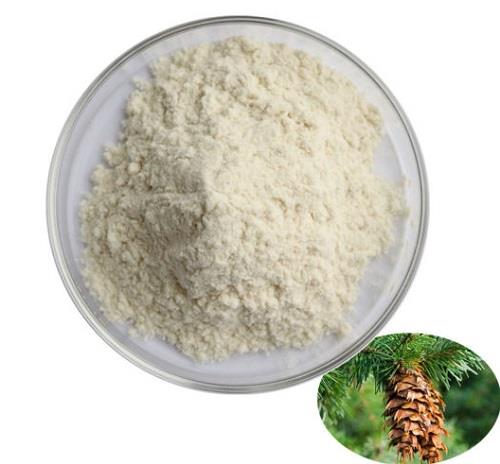
Synthesis and application of Taxifolin
Taxifolin, a very important dihydroflavonol compound with the formula of C15H12O7, is an ordorless, colorless acicular crystal or in pale yellow powder.
Jul 8,2022 Biochemical Engineering
Efficacy and effects of bitter amygdalin
Amygdalin (from the Greek "lentil"), also known as bitter amygdalin, is a toxic cyanogenic glycoside found in many plants, but most notably in the seeds of apricots, bitter almonds, apples, peaches an
Jul 7,2022 Biochemical Engineering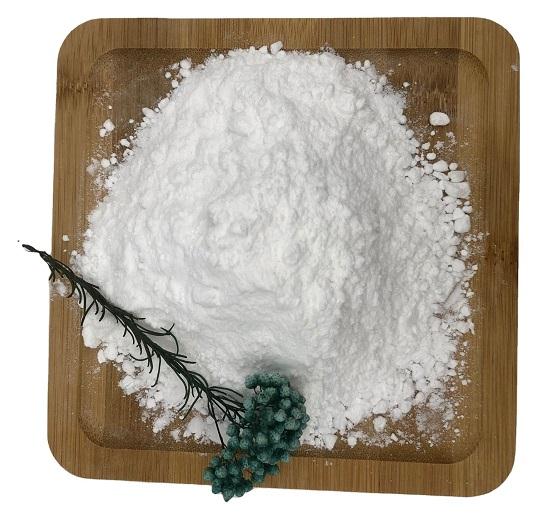
Application of Polydatin
Polydatin can also be detected in grape, peanut, hop cones, red wines, hop pellets, cocoa-containing products, chocolate products and many daily diets. Polydatin is the most abundant form of resveratr
Jul 7,2022 Biochemical Engineering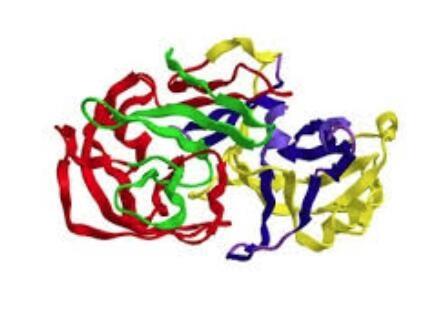
Function and Applications of Pepsin
Pepsin is one of three principal endopeptidases (enzymes cutting proteins in the middle) in the human digestive system, the other two being chymotrypsin and trypsin.
Jul 5,2022 Biochemical Engineering