


In pharmacology, a drug is a chemical substance, typically of known structure, which, when administered to a living organism, produces a biological effect. A pharmaceutical drug, also called a medication or medicine, is a chemical substance used to treat, cure, prevent, or diagnose a disease or to promote well-being. Traditionally drugs were obtained through extraction from medicinal plants, but more recently also by organic synthesis. Pharmaceutical drugs may be used for a limited duration, or on a regular basis for chronic disorders.

How is Fosdenopterin synthesised?
The synthesis of Fosdenopterin starts with d-galactose as the starting material and begins with the synthesis of the core structure, which is finally completed by vortex oxidation of secondary alcohol
Jan 16,2024 Drugs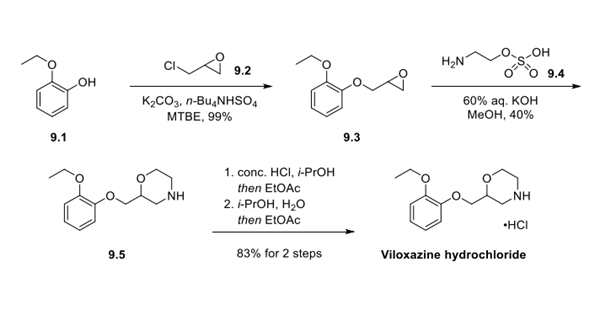
Viloxazine Hydrochloride: Synthesis and Introduction
Viloxazine hydrochloride was synthesised using 2-ethoxyphenol as a raw material by a 4-step reaction.
Jan 15,2024 Drugs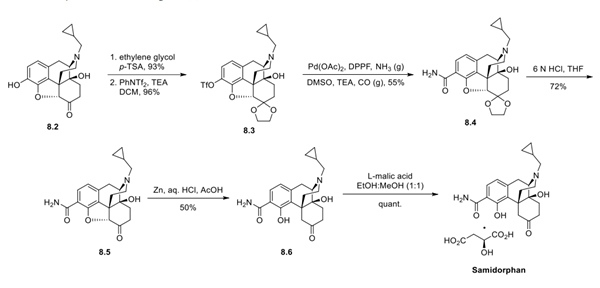
Samidorphan:Synthesis and Introduction
Samidorphan is synthesised using naltrexone as raw material by chemical reaction. Samidorphan and Olanzapine is a co-formulated once-daily oraldose tablet for the treatment of schizophrenia and bipola
Jan 15,2024 Drugs
How is Serdexmethylphenidate synthesised?
Serdexmethylphenidate is synthesised derived from dexmethylphenidate hydrochloride and prepared by a series of reactions including coupling and acidification.
Jan 12,2024 Drugs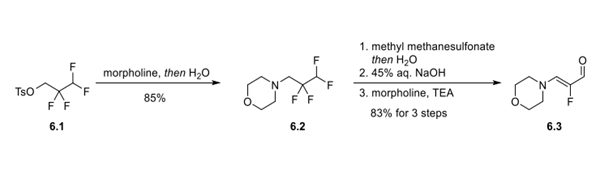
Synthesis of Vericiguat
The Vericiguat synthesis was initiated with the key fluoroacrylaldehyde intermediate required to construct the fluoropyrazolopyridine core of vericiguat.
Jan 12,2024 Drugs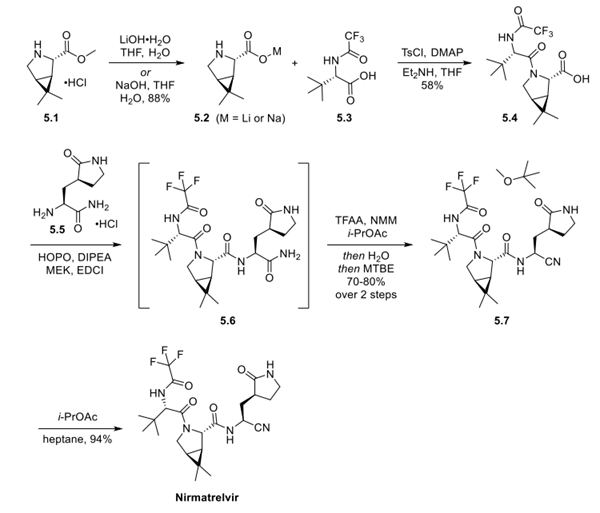
How to synthesise Nirmatrelvir on a large scale?
Nirmatrelvir is synthesised using saponification of bicycloproline ester.
Jan 12,2024 Drugs
How is Ibrexafungerp synthesised?
Ibrexafungerp is synthesised in two steps by chemical reaction using enfumafungin as a raw material.
Jan 9,2024 Drugs
Candesartan cilexetil in cardiovascular disease
Candesartan cilexetil is an oral angiotensin II receptor blocker. Candesartan is approved by the FDA for the treatment of hypertension in adults.
Jan 8,2024 Drugs
What are the side effects of Valsartan?
ommon side effects of Valsartan include: shortness of breath, cough , dizziness and light-headedness on waking, nausea, fatigue, diarrhoea, skin irritation , postural hypotension, hyperkalaemia, and r
Jan 8,2024 Drugs
How is Sacituzumab Govitecan Synthesised?
The overall synthetic strategy for the preparation of sacituzumab govitecan inherently consists of three separate sequential components, construction of the payload (SN-38) followed by appendage with
Jan 5,2024 Drugs