


L-Theanine: Food Sources, Effects and Benefits, Side Effects
L-Theanine is a natural non-protein amino acid extracted from green tea. It is widely used in the food supplement, pharmaceutical, nutraceutical and cosmetic industries.
Apr 12,2024 Plant extracts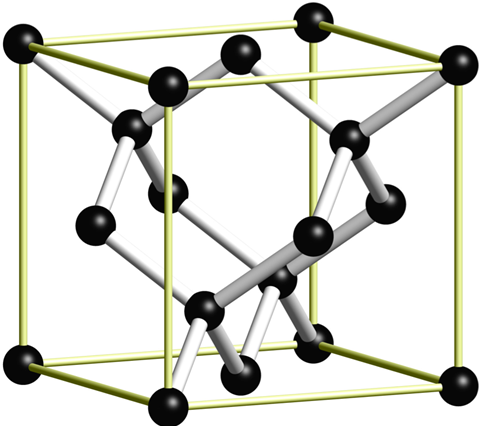
Diamond:Crystal structure,Uses
Diamond is a solid form of the element carbon, has the highest hardness and thermal conductivity of any natural material, properties that are used in major industrial applications such as cutting and
Apr 12,2024 Inorganic chemistry
Is oral semaglutide as effective as the injectable version for weight loss?
Semaglutide is a glucagon-like peptide-1 receptor agonist (GLP-1 receptor agonist) that can help treat type 2 diabetes by increasing insulin production and reducing blood sugar levels.
Apr 12,2024 API
Crystal Structure of Uranium Nitride
Uranium nitrides can be used as nuclear fuel and anti-corrosion coating for uranium metal. This article will show the crystal structure of some different type of uranium nitrides.
Apr 12,2024 Inorganic chemistry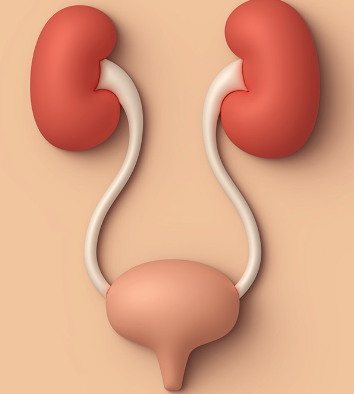
The use of Mitomycin C in the treatment of bladder cancer
Mitomycin C (MMC) is an alkylating agent that causes DNA damage, including interstrand cross-links and single- or double-strand breaks, thereby blocking DNA replication and transcription.
Apr 12,2024 API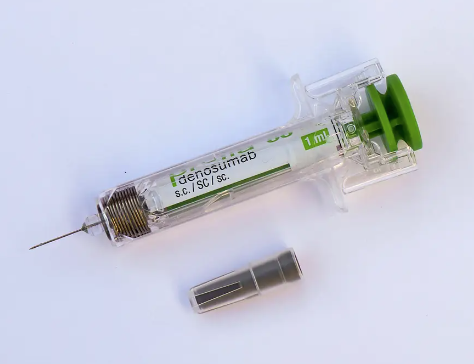
What are the pros and cons of taking denosumab?
Denosumab is a type of targeted drug called a monoclonal antibody. It is also known as Prolia and Xgeva.
Apr 12,2024 API
Zirconium Hydride: Characteristics and Applications in Enhancing Mechanical Properties
Zirconium hydride's diverse properties enhance high-temperature applications, hydrogen storage, and mechanical strength in composites, promising innovation across industries.
Apr 12,2024 API
2-Naphthylacetonitrile: Overview, Pharmaceutical Synthesis Applications and Preparation Method
2-Naphthylacetonitrile is a key compound in pharmaceutical synthesis, serving as a c-Myc protein inhibitor and can be prepared by palladium-catalyzed decarboxylative coupling method.
Apr 12,2024 API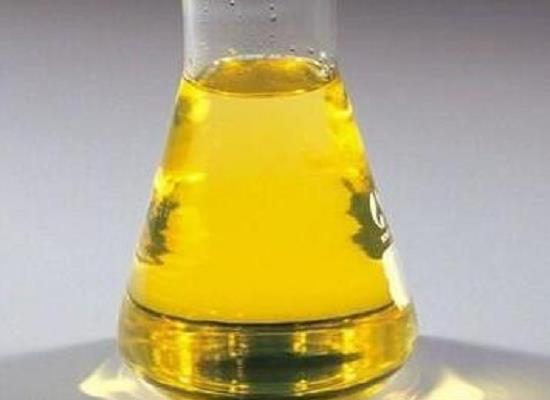
Lactonic Sophorolipid: Nanoceria-Assisted Therapy and Preparation
Lactonic sophorolipid demonstrates anti-cancer effects. Combined with GT in nanoceria therapy, it shows promise for NSCLC treatment. Fermentation yields potent Lactonic sophorolipid.
Apr 12,2024 API
Unveiling the Potential of Fullerene C60: A Revolution in Material Science and Beyond
The discovery of Fullerene C60 has paved new avenues in nanotechnology and provided a fresh perspective on the uncharted territories of carbon-based materials.
Apr 12,2024 API