


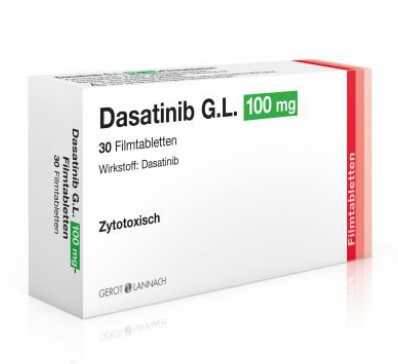
Dasatinib: Mechanism of action and Safety
Dasatinib, a tyrosine kinase inhibitor, primarily treats chronic myeloid leukemia and Philadelphia chromosome-positive acute lymphoblastic leukemia.
Mar 29,2024 API
Lemborexant: A Dual Orexin Receptor Antagonist with Favorable Safety and Pharmacokinetic Profiles
Lemborexant promotes sleep by targeting orexin receptors, with good tolerability in adults. Caution advised for respiratory issues and potential drug interactions require careful management.
Mar 29,2024 API
The Origin, Mechanism, Potential Benefits, and Disputes of YK11
YK11 was first studied in 2011 and was found to be a partial agonist of androgen receptor (AR) with genetic selectivity.
Mar 29,2024 API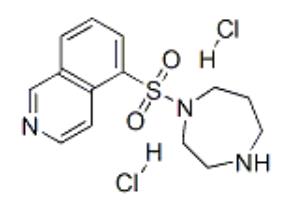
Applications and Side Effects of Fasudil Hydrochloride
Fasudil hydrochloride is a potent drug that is receiving increasing attention due to its unique therapeutic properties and applications.
Mar 29,2024 API
Brominated Polystyrene: Applications as Fireproofing Agents, Preparation and Degradation Mechanism
Brominated polystyrene is an effective flame retardant for thermoplastics, offering superior fire resistance. Its preparation process and degradation mechanism contribute to optimized performance.
Mar 29,2024 API
6-Mercaptopurine: Mechanism of Action and Mechanism of Resistance
6-Mercaptopurine has been used as an antineoplastic and immunosuppressive agent for decades, but the precise mechanism by which it exerts its cytotoxic effects has not yet been established.
Mar 28,2024 Drugs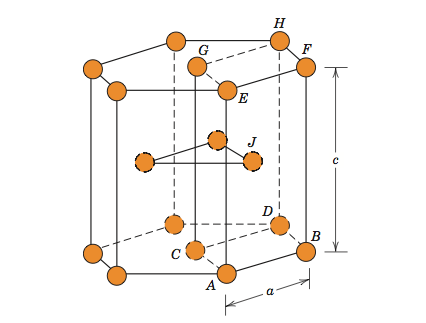
Niobium silicide:Crystal Structure,Properties,Uses,Synthesis
Niobium silicide is a compound of niobium and silicon with the chemical formula NbSi2. It is used for niobium silicide-based turbine components, high-temperature structural materials, etc.
Mar 28,2024 Inorganic chemistry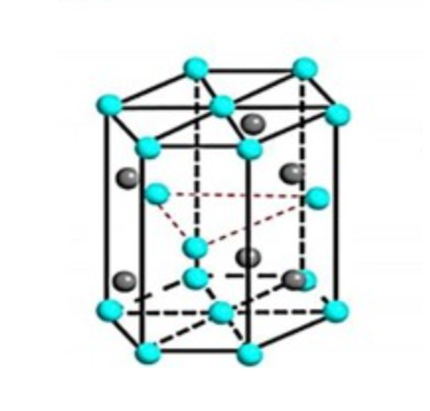
Crystal structure and Uses of ?Tungsten carbide
Tungsten carbide has the chemical symbol WC. In its natural state, it is a fine grey powder, which can either be sintered (compacted using heat or pressure) onto a surface, or cemented (bound with a m
Mar 28,2024 Inorganic chemistry
The anti-tumour drug Pazopanib: Uses, Mechanism of action and Side effects
Pazopanib is a targeted anticancer drug for the treatment of advanced kidney cancer and advanced soft tissue sarcoma previously treated with chemotherapy.
Mar 28,2024 Drugs
Gefitinib vs Erlotinib vs Afatinib: differences in anticancer drugs
Gefitinib, erlotinib and afatinib are all anticancer drugs widely used in the treatment of advanced non-small cell lung cancer (NSCLC) with proven efficacy.
Mar 28,2024 Drugs