


Inhibitor refers to substance that can hinder the chemical reactions, biological reactions (including immune response) and biological activity. In present time, commonly used inhibitors include immunosuppressants and inhibitors. 1. Immunosuppressive agents: immunosuppressants system refers to drug that can reduce the immune response. It can selectively suppress certain steps of the immune response and immune cells. Immune response refers to the body’s response to a variety of pathogenic substances. Some reactions are favorable to the body and can enhance the body's resistance to disease; some have adverse effects on the body and can cause tissue damage or disorders of physiological functions (allergy). Therefore, patients suffering from allergic reactions being harmful to the body should be subject to the treatment of immunosuppressant to affect the related immune processes and reduce the immune response of the body. For the treatment of various autoimmune diseases and weakening the tissue incompatibility, it has been developed of a variety of immunosuppressive agents, some of which have been widely used in clinical practice. Commonly used immunosuppressants include glucocorticoids (prednisone, prednisolone, etc.), alkylating agents (nitric oxide mustard, cyclophosphamide, thiotepa, busulfan, etc.), and antimetabolites (6- mercaptopurine, azathioprine, methotrexate, etc.). The mechanism of immunosuppressants, though not entirely clear, but is characterized by the following several aspects: ① most kinds of immunosuppressants can simultaneously inhibit cellular and humoral immunity and can be used for organ transplantation and autoimmune disease. ②Its inhibitory effect is strong for the primary immune response while the inhibitory effect against secondary response is weak. ③It can simultaneously act on normal and pathological immunity, therefore, can often lead to some complications. ④These drugs often have strong with serious adverse reactions. 2. Enzyme

Abrocitinib: Synthesis and Application
Abrocitinib is synthesised using ketoester as a raw material by chemical reaction. Abrocitinib is an orally available small-molecule Janus Kinase 1 (JAK1) inhibitor developed by Pfizer and approved i
Jan 16,2024 Inhibitors
Odevixibat: Synthesis and Application
Odevixibat is synthesised in two steps by chemical reaction using enfumafungin as a raw material.
Jan 16,2024 Inhibitors
How is Atogepant synthesised?
Atogepant was synthesised from the late-stage amide coupling of two highly complex fragments (Carboxylic Acid Fragment and Spirocyclic Motif Fragment).
Jan 15,2024 Inhibitors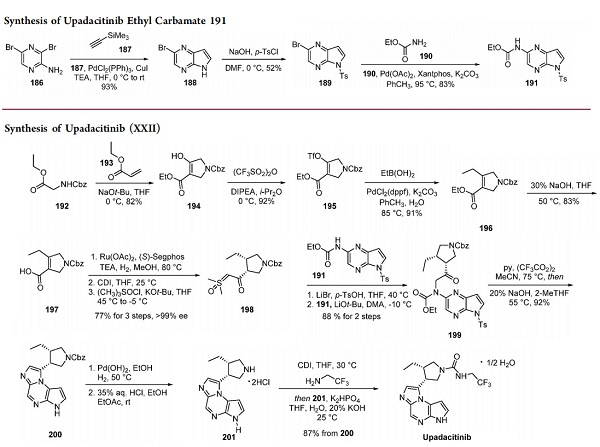
The synthesis method of Upadacitinib hemihydrate
Upadacitinib, a once-daily orally administered selective JAK1 inhibitor developed by AbbVie, was approved for the treatment of moderate to severe RA.
Jan 11,2024 Inhibitors
How to synthesize Solriamfetol?
Solriamfetol is a selective dopamine and norepinephrine reuptake inhibitor.
Jan 9,2024 Inhibitors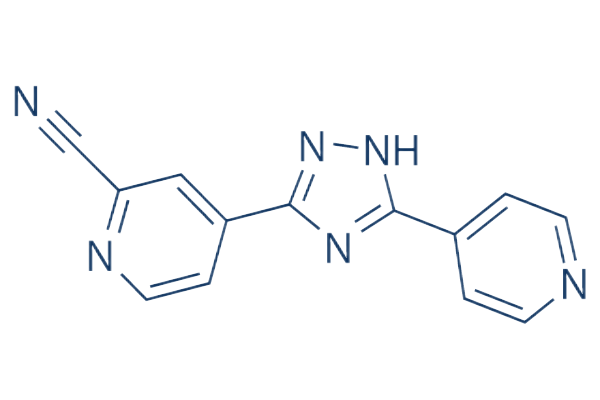
Inhibitory effect of topiramasta on neuropathy in db/db mice
Topiroxostat, a selective xanthine oxidoreductase inhibitor, is used in Japan for the treatment of hyperuricemic patients with or without gout.
Jan 9,2024 Inhibitors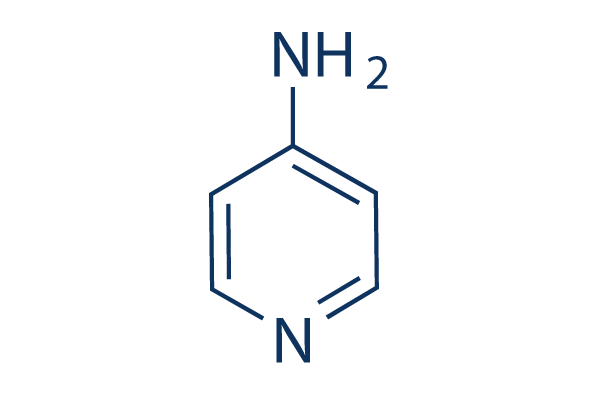
4-Aminopyridine Applications and Interactions
4-Aminopyridine (4-AP) is a K+ channel blocker used clinically as symptomatic treatment for demyelinating disorders such as spinal cord injury or multiple sclerosis.
Jan 9,2024 Inhibitors
Synthesis of Tucatinib
Tucatinib was synthesised in a two-step reaction by an aniline fragment. Tucatinib is an orally bioavailable tyrosine kinase inhibitor of human epidermal growth factor receptor-2 (HER2 or ErbB2).
Jan 8,2024 Inhibitors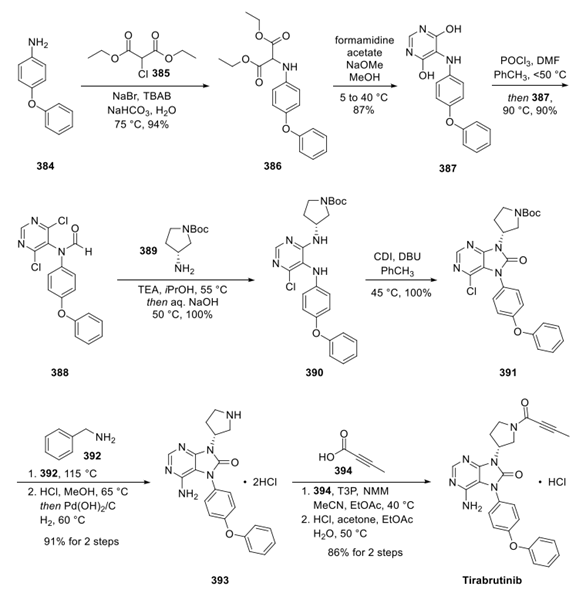
Tirabrutinib: Synthesis and Introduction
Tirabrutinib is synthesised using 4-phenoxyaniline as a raw material by chemical reaction in the presence of a phase transfer catalyst (TBAB).
Jan 8,2024 Inhibitors
How is Tepotinib Synthesised?
Tepotinib is synthesised through a two-step chemical reaction using acetylbenzonitrile as the raw material.
Jan 8,2024 Inhibitors