


Inhibitor refers to substance that can hinder the chemical reactions, biological reactions (including immune response) and biological activity. In present time, commonly used inhibitors include immunosuppressants and inhibitors. 1. Immunosuppressive agents: immunosuppressants system refers to drug that can reduce the immune response. It can selectively suppress certain steps of the immune response and immune cells. Immune response refers to the body’s response to a variety of pathogenic substances. Some reactions are favorable to the body and can enhance the body's resistance to disease; some have adverse effects on the body and can cause tissue damage or disorders of physiological functions (allergy). Therefore, patients suffering from allergic reactions being harmful to the body should be subject to the treatment of immunosuppressant to affect the related immune processes and reduce the immune response of the body. For the treatment of various autoimmune diseases and weakening the tissue incompatibility, it has been developed of a variety of immunosuppressive agents, some of which have been widely used in clinical practice. Commonly used immunosuppressants include glucocorticoids (prednisone, prednisolone, etc.), alkylating agents (nitric oxide mustard, cyclophosphamide, thiotepa, busulfan, etc.), and antimetabolites (6- mercaptopurine, azathioprine, methotrexate, etc.). The mechanism of immunosuppressants, though not entirely clear, but is characterized by the following several aspects: ① most kinds of immunosuppressants can simultaneously inhibit cellular and humoral immunity and can be used for organ transplantation and autoimmune disease. ②Its inhibitory effect is strong for the primary immune response while the inhibitory effect against secondary response is weak. ③It can simultaneously act on normal and pathological immunity, therefore, can often lead to some complications. ④These drugs often have strong with serious adverse reactions. 2. Enzyme

Synthesis of Fostemsavir(BMS 663068)
Fostemsavir(alias: BMS 663068) was synthesised in a linear sequence in a two-step reaction using Sulfonyl pyrrole as the starting material.
Dec 20,2023 Inhibitors
Synthesis of Coblopasvir Hydrochloride
Coblopasvir Hydrochloride is synthesised using catechol as raw material, Coblopasvir Dibromide is synthesised first and then through a series of chemical reactions such as coupling and refluxing.
Dec 20,2023 Inhibitors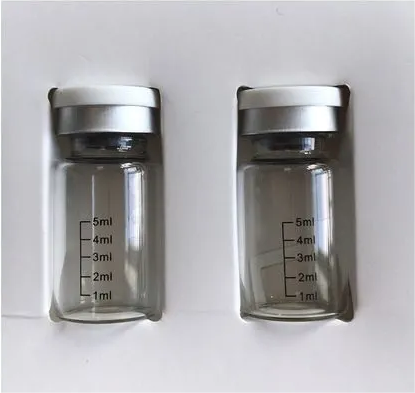
GS-441524: Introduction; Side effects and antiviral against ASFV
GS-441524, predominant metabolite of Remdesivir and superior to Remdesivir against Covid-19 , shows comparable efficacy in cell-based models of primary human lung and cat cells infected with coronavir
Dec 19,2023 Inhibitors
Upadacitinib: Uses; Mechanism of Action; Administration and Contraindications
Upadacitinib is FDA-approved for the treatment of moderate to severe rheumatoid arthritis (RA) that has not responded to first-line therapy.
Dec 19,2023 Inhibitors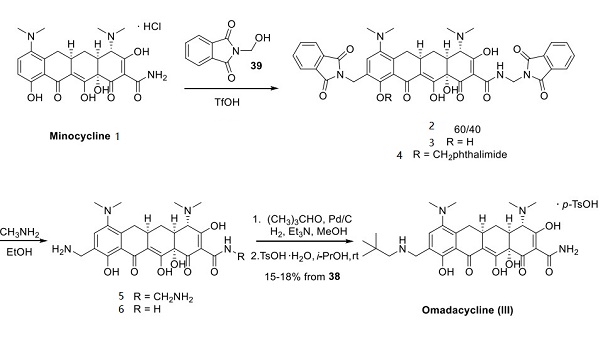
Omadacycline: a protein synthesis inhibitor
Omadacycline is a first-in-class aminomethylcycline with broad-spectrum in vitro activity against Gram-positive aerobes, Gram-negative aerobes, anaerobes, and atypical bacteria.
Dec 19,2023 Inhibitors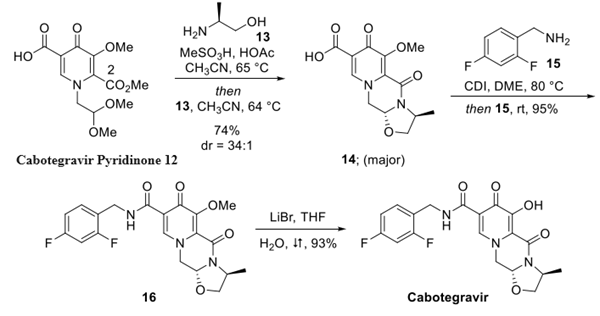
How is GSK744 synthesised?
GSK744 (Cabotegravir) is synthesised using Cabotegravir Pyridinone as a raw material through a series of chemical reactions.
Dec 19,2023 Inhibitors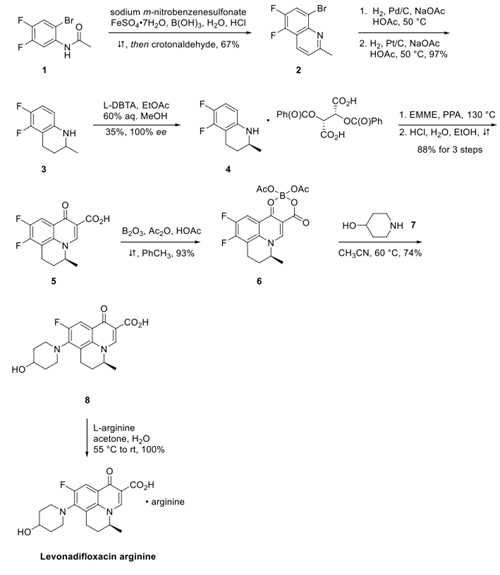
Synthesis of Levonadifloxacin Arginine
Levonadifloxacin Arginine is prepared by the reaction of levonadifloxacin and L-arginine.
Dec 19,2023 Inhibitors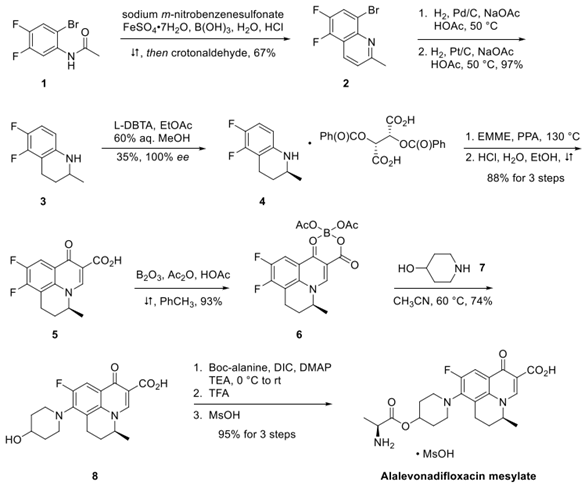
Synthesis of Alalevonadifloxacin mesylate
Alalevonadifloxacin mesylate is synthesized using 2-Bromo-4,5-difluoroacetylaniline as raw material through a series of chemical reactions.
Dec 19,2023 Inhibitors
Ibotenic acid :uses and side effects
Ibotenic acid is a powerful neurotoxin that has been used as an effective brain damage agent. Ibotenic acid has been used as a neurontoxin in rats.
Dec 18,2023 Inhibitors
Properties and applications of Mycophenolate mofetil
Mycophenolate mofetil is an immunosuppressant often used in organ transplants and other inflammations.
Sep 14,2023 Inhibitors