


Inorganic chemicals is the shortened form of inorganic chemical industry and is an important branch of the chemical industry with natural resources and industrial by-products as raw materials for the production of sulfuric acid, nitric acid, hydrochloric acid, phosphoric acid, soda ash, caustic soda, synthetic ammonia, fertilizer and inorganic salts, etc. This includes sulfuric acid industry, soda industry, the chloro-alkali industry, synthetic ammonia industry, fertilizer industry and mineral industry. Its broad definition also includes the production of inorganic non-metallic materials and fine inorganic product such as ceramics and inorganic pigment. The main raw material of inorganic chemical products are mineral product including sulfur, sodium, phosphorus, potassium and calcium and coal, oil, gas, and air, water and so on. Inorganic chemicals can be traced back to the ancient process of ceramics, alchemy, brewing, dyeing at thousands of years ago. Although with small scale, backward technology and pure manual manipulation, but it is the prototype of inorganic chemicals. For thousands of years, due to the low productivity, it gets slow development. Until the 18th century, it had developed rapidly. In the middle of 18th century, Britain had first applied lead chamber method using saltpeter and sulfur as raw materials to produce sulfuric acid. In 1783, Lu Bulan (France) proposed the soda method using sodium chloride, sulfuric acid, coal as raw materials. In the latter half of the 18th century, the modern chemical industry taking inorganic chemical industry as the main content had began to emerge. In 1841, people began the production of phosphate fertilizer; In 1965 Belgian Solvay realized the industrialization of ammonia soda for production of soda; with the rise of preparing potassium industry in 1870; In 1890, people began to use electrolytic approach for making Cl2 and caustic soda; In 1913, people had achieved the catalytic synthesis
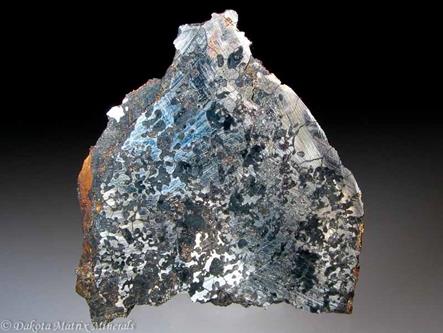
What is Iron?
Iron is a chemical element with symbol Fe (from Latin: ferrum) and atomic number 26. It is a metal that belongs to the first transition series and group 8 of the periodic table. It is, by mass, the mo
Aug 13,2021 Inorganic chemistry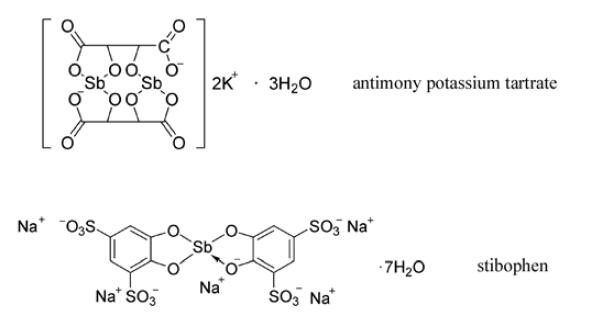
Antimony - Medicinal Use Discovery and History
Red antimony trisulfide occurs naturally in stibnite, a mineral mentioned by Dioscorides and found in Hungary, France, Cornwall and Borneo.
Oct 23,2020 Inorganic chemistry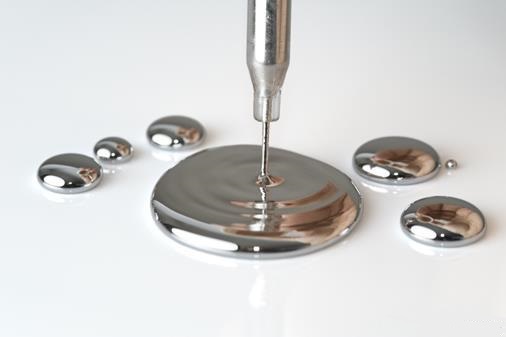
Mercury - History and Drug-Application
Since around 500 BC, the mines at Sisapo in Almade′n (Arabic for the mine) in Southern Spain have been the principal source of Iberian cinnabar, red mercuric sulfide.
Oct 19,2020 Inorganic chemistry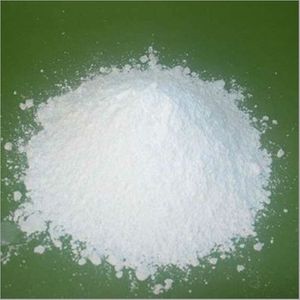
What is Magnesium carbonate?Forms-Uses-Preparation
Magnesium carbonate, MgCO3 (archaic name magnesia alba), is an inorganic salt that is a white solid. For the most part,Mg2+ forms several hydrated and basic carbonates that are stable and occur in nat
Oct 15,2020 Inorganic chemistry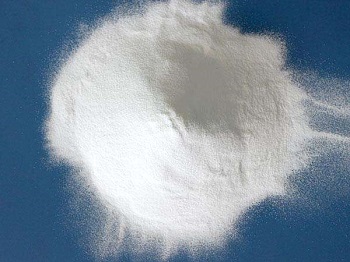
Aluminium Oxide: Properties and Uses
Aluminum oxide is a common, naturally occurring compound that’s employed in various industries, most particularly in the production of aluminum.
Sep 22,2020 Inorganic chemistry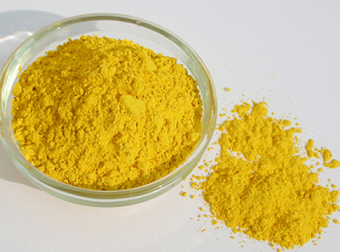
Preparation method of sodium ferrocyanide
In an operation of this nature, it is not feasible to carry electrolysis to a point where substantially all of the sodium ferrocyanide is oxidized to ferricyanide. Hence, a so-called finished sodium f
Jul 24,2020 Inorganic chemistry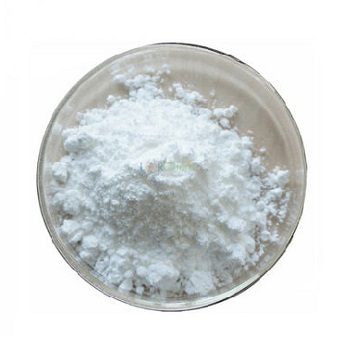
Synthesizing Lithium Titanate for the use in Lithium titanate battery
Lithium titanate (Li4Ti5O12) is a type of lithium-titanium composite oxide with a spinel structure. It has the advantages of cheap availability, safe and reliable, simple preparation process, low cost
Jul 15,2020 Inorganic chemistry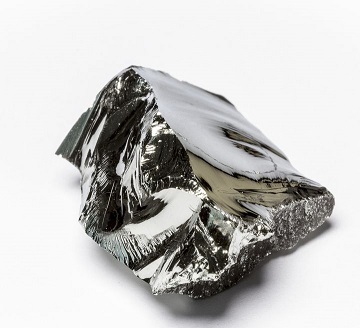
Sources of Exposure and Industrial Hygiene of Germanium
Germanium [symbol Ge; Chemical Abstracts Service Registry Number (CASRN): 7440-56-4] is never found in a pure state in the environment. In the refined state, it is a gray– white metalloid.
Mar 6,2020 Inorganic chemistry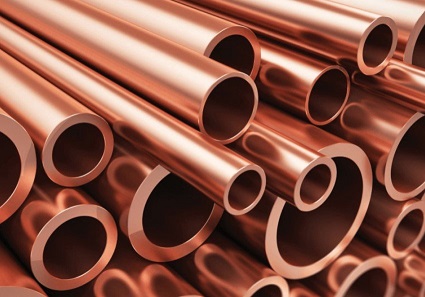
Copper——Sources of Exposure; Industrial Hygiene and Risk Assessments
Copper (symbol Cu; CAS #7440-50-8) is distributed widely in nature; it is the twenty-sixth most abundant element in the earth’s crust and is an essential element for many life forms. Copper is an abun
Mar 6,2020 Inorganic chemistry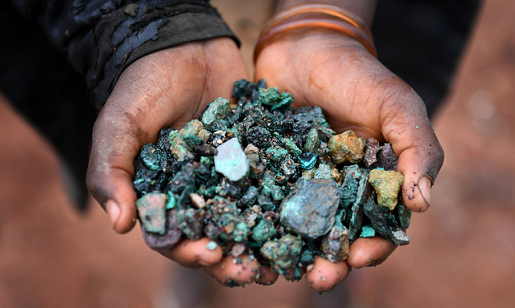
Cobalt: Sources of Exposure & Medical Management
Cobalt (Co; CASRN 7440-48-4) is a silvery-gray brittle but hard metal, which is distributed widely in nature, including rocks, soil, plants, and animals. It is a metal with no odor and no vapor pressu
Mar 6,2020 Inorganic chemistry