


The organic raw materials are petrochemicals made of petroleum and natural gas, and the industries of various organic chemical products are produced or fractionated by the raw material gas after coal gasification and the coal tar recovered by dry distillation. In China's organic chemical industry, the first acetylene route from coal-based calcium carbide, coalification to methanol, formaldehyde route and recovery of coal tar in benzene, naphthalene, anthracene and other routes and the use of grain as raw material fermentation distillation to produce alcohol routes. Organic raw materials are widely used and can be divided into three aspects: one is the raw material used to produce polymer chemical products, that is, the monomer for polymerization; the other is used in other organic chemical industries, including raw materials for fine chemical products; Used in solvents, refrigerants, antifreezes, gas adsorbents, etc. Basic organic chemicals are the basis for the development of various organic chemical products and are a major component of modern industrial structures.
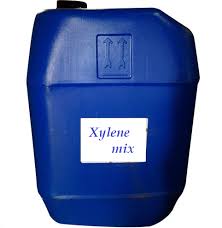
What is Xylene?
Xylene is a colorless liquid that had a sweet odor. Xylene is flammable and practically insoluble. Xylene is primarily a synthetic chemical; however, it can occur naturally in petroleum, coal tar, and
Sep 24,2019 Organic Chemistry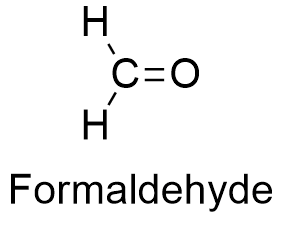
Formaldehyde: Poison could have set the stage for the origins of life
Formaldehyde, a poison and a common molecule throughout the universe, is likely the source of the solar system's organic carbon solids -- abundant in both comets and asteroids. Scientists have long sp
Sep 24,2019 Organic Chemistry
The uses of N-methylaniline
N-methylaniline appears as a colorless to brown viscous liquid. Insoluble in water and denser than water. Contact may irritate skin, eyes and mucous membranes.It is used to make other chemicals.
Sep 23,2019 Organic Chemistry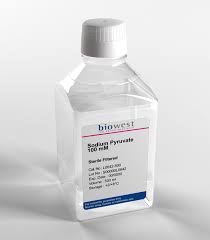
The applications of Sodium pyruvate
Sodium pyruvate is a salt of the conjugate anion form of pyruvic acid, known as pyruvate. It is commonly added to cell culture media as an additional source of energy, but may also have protective eff
Sep 20,2019 Organic Chemistry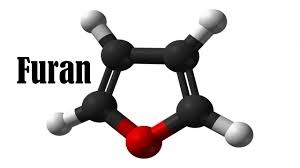
Furan in Foods
Furan is a colorless, volatile liquid used in some chemical manufacturing industries. Furan has occasionally been reported to be found in foods. Now scientists at FDA have discovered that furan forms
Sep 20,2019 Organic Chemistry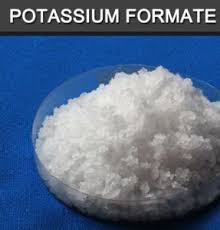
Fertiliser’s potassium formate potential
Potassium Formate is a useful chemical compound in the production of potassium metal and in the oil and gas industry, often in aqueous solution (alone, or mixed with cesium formate), to yield a high-d
Sep 20,2019 Organic Chemistry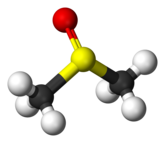
Dimethyl sulfoxide-Hazard and Toxicity
Dimethyl sulfoxide is a sulfur-containing organic compound; molecule formula: (CH3) 2SO; It exhibits as colorless, odorless, hygroscopic and flammable transparent liquid at room temperature. It has bo
Sep 17,2019 Organic Chemistry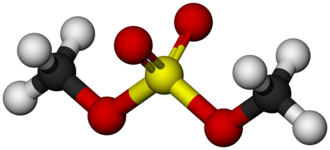
Dimethyl sulfate-Hazard and Toxicity
Dimethyl sulfate is an odorless, corrosive, oily liquid which can release toxic fumes during heating. It can be synthesized through the esterification of sulfuric acid with methanol, and alternatively
Sep 16,2019 Organic Chemistry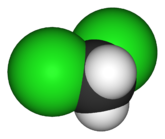
Dichloromethane-Health Hazard and Toxicity
Also known as methylene chloride, dichloromethane (DCM) is a transparent, colorless, volatile halogenated aliphatic hydrocarbon compound with an ether-like mildly sweet smell. It is moderately soluble
Sep 16,2019 Organic Chemistry
Health Hazard of Dicyclohexylamine
Dicyclohexylamine is a secondary amine with the chemical formula HN(C6H11)2. It is a colorless liquid, although commercial samples can appear yellow. It has a fishy odor, typical for amines. It is spa
Sep 16,2019 Organic Chemistry