


The organic raw materials are petrochemicals made of petroleum and natural gas, and the industries of various organic chemical products are produced or fractionated by the raw material gas after coal gasification and the coal tar recovered by dry distillation. In China's organic chemical industry, the first acetylene route from coal-based calcium carbide, coalification to methanol, formaldehyde route and recovery of coal tar in benzene, naphthalene, anthracene and other routes and the use of grain as raw material fermentation distillation to produce alcohol routes. Organic raw materials are widely used and can be divided into three aspects: one is the raw material used to produce polymer chemical products, that is, the monomer for polymerization; the other is used in other organic chemical industries, including raw materials for fine chemical products; Used in solvents, refrigerants, antifreezes, gas adsorbents, etc. Basic organic chemicals are the basis for the development of various organic chemical products and are a major component of modern industrial structures.
Hydrazine-Hazard and Toxicity
Hydrazine is a strong reducing agent and a flammable liquid and vapour. Hydrazine is a useful building block in organic synthesis of pharmaceuticals and pesticides. There are many kinds of hydrazine c
Sep 6,2019 Organic Chemistry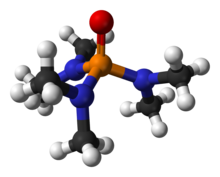
Hexamethylphosphoramide-Hazard and Toxicity
Hexamethylphosphoramide is made from the reaction of dimethylamine and phosphorus oxychloride. It has a molecular weight of 179.2, appearing as colorless or light yellow transparent liquid with slight
Sep 6,2019 Organic Chemistry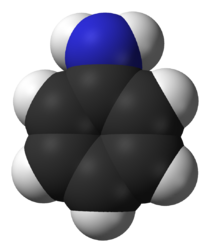
Aniline--Health Hazard and Toxicity
Aniline is an organic compound with the formula C6H5NH2. Consisting of a phenyl group attached to an amino group, aniline is the simplest aromatic amine. Its main use is in the manufacture of precurso
Sep 5,2019 Organic Chemistry
Acrylonitrile-Health Hazard and Toxicity
Acrylonitrile is an organic compound with the formula CH2CHCN. It is a colorless volatile liquid, although commercial samples can be yellow due to impurities. In terms of its molecular structure, it c
Sep 4,2019 Organic Chemistry
Acetylene-Health Hazard and Toxicity
Acetylene (100% purity) is odourless, but commercial purity has a distinctive garlic-like odour and is very soluble in alcohol and almost miscible with ethane. Acetylene is a flammable gas and kept un
Sep 2,2019 Organic Chemistry
How long does 10M ammonium acetate take to dissolve in water?
I need to make 10M ammonium acetate for DNA extraction. I calculated the amount required for 70 ml solution and started dissolving it using a magnetic stirrer. It has been four hours, but the solute h
Aug 30,2019 Organic Chemistry
The pharmacologic action and use of 4-butylresorcinol
Hyperpigmentary disorders like melasma, actinic and senile lentigines are a major cosmetic concern. Therefore, many topical products are available, containing various active ingredients aiming to redu
Aug 30,2019 Organic Chemistry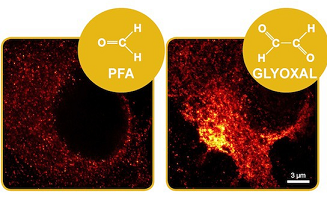
Glyoxal as an alternative fixative to formaldehyde
Paraformaldehyde (PFA) is the most commonly used fixative for immunostaining of cells, but has been associated with various problems, ranging from loss of antigenicity to changes in morphology during
Aug 28,2019 Organic Chemistry
The uses of Phenacetin
Phenacetin (or acetophenetidin) is a pain-relieving and fever-reducing drug, which was widely used between its introduction in 1887 and the 1983 ban imposed by the U.S. Food and Drug Administration.
Aug 27,2019 Organic Chemistry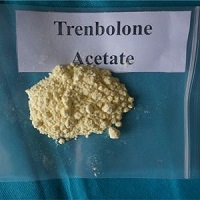
The Uses and Preparations of Trenbolone acetate
Trenbolone acetate (TBA, androst-I,9(10), 11-trien-3-one, 17 acetate) is a synthetic anabolic steroid with androgenic activity (Neumann, 1976). It has been used in a number of countries as a growth pr
Aug 21,2019 Organic Chemistry