


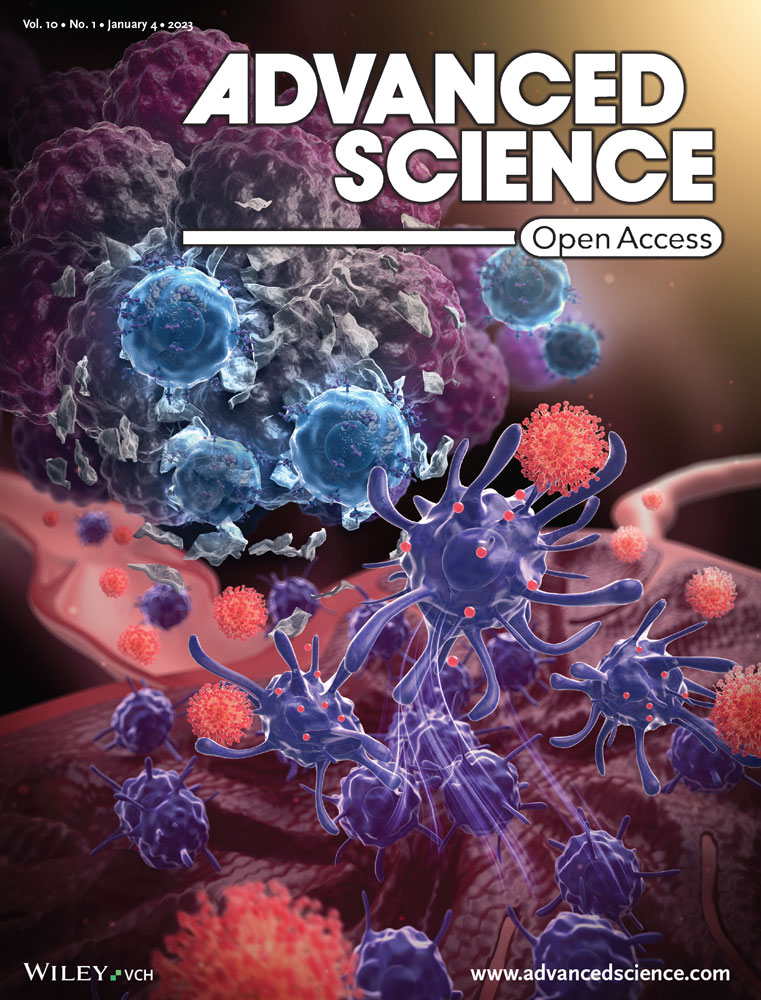
Cinobufagin Directly Targets PDE4D to Disrupt Fibroblast–Dendritic Cell Crosstalk in Atopic Dermatitis
Abstract
Atopic dermatitis (AD) is a chronic inflammatory skin disease driven by immune dysregulation and Th2-dominant inflammation. This study identifies phosphodiesterase 4D (PDE4D) as a key regulator of AD pathogenesis and a potential therapeutic target. Single-cell RNA sequencing (scRNA-seq) revealed activation of the macrophage migration inhibitory factor (MIF) signaling pathway in lesional tissues, with inflammatory fibroblasts mediating MIF-driven interactions with myeloid cells. Elevated PDE4D expression in lesional tissues suppressed cyclic adenosine monophosphate (cAMP) signaling, promoting inflammation. Cinobufagin, a bufadienolide compound, is identified as a potent PDE4D inhibitor. Compared to other PDE4 inhibitors used in clinical cases, cinobufagin demonstrated superior efficacy in improving AD in mice while effectively regulating the MIF pathway. It directly bound to PDE4D, restored cAMP signaling, suppressed MIF secretion in inflammatory fibroblasts, and disrupted fibroblast-dendritic cell interactions via the cAMP/protein kinase A (PKA)/cAMP-response element binding protein (CREB) pathway, thereby significantly reducing the clinical and histological features of AD. Notably, PDE4D knockout mice exhibited diminished inflammation, mimicking the effects of cinobufagin and confirming a role for PDE4D in AD progression. These findings establish PDE4D as a critical driver of AD and demonstrate that cinobufagin effectively targets this pathway, offering a promising therapeutic approach for AD and related inflammatory skin disorders.