


what is 2-Heptanone used for?
2-Heptanone is an aroma compound. It is a bioactive agent and has potential as a pesticide. The honeybee (Apis mellifera) pheromone 2-heptanone was evaluated for possible use as a repellent in conjunc
Dec 13,2024 Chemical Reagents
What drugs can isatin be used to prepare?
Isatin, with the chemical name 1H-indole-2,3-dione skeleton, is an important pharmaceutical intermediate that can be used to prepare antitumor drugs, antibacterial drugs, and antimalarial drugs.
Dec 12,2024 API
How much L-Norvaline should an adult take per day?
L-Norvaline is a natural amino acid active ingredient with blood flow-improving properties, particularly for athletic people.
Dec 12,2024 Amino Acids and Proteins
Poly(N-isopropylacrylamide) and N-Isopropylacrylamide
Poly(N-isopropylacrylamide) is a synthetic thermogelling polymer that has received significant attention in tissue engineering and drug delivery.
Dec 12,2024 Organic Chemistry
Application of dibutyl ether in biofuels
Dibutyl ether (DBE) is also a promising biofuel because of its high cetane number (~ 100) and high volumetric energy density (31.6 MJ/L).
Dec 12,2024 API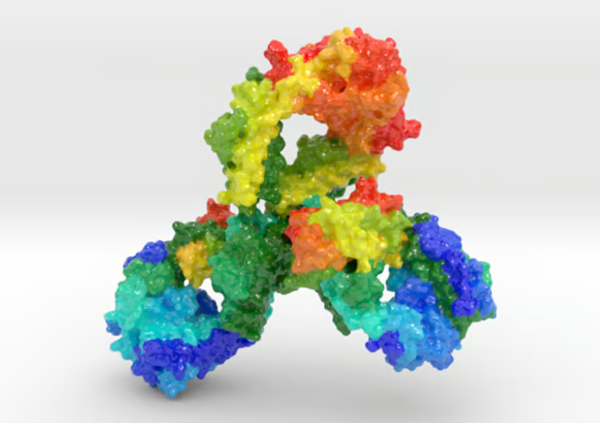
Unveiling Lambrolizumab: A Comprehensive Insight into Its Production, Mechanism, and Clinical Implications
Lambrolizumab,represents a groundbreaking advancement in the realm of immunotherapy drugs, primarily employed in the battle against various types of cancer.
Dec 12,2024 API
Lauric Acid: Properties, Uses, and Storage Methods
Lauric acid, a saturated medium-chain fatty acid, is a key chemical compound extensively studied in the field of chemistry and biochemistry.
Dec 12,2024 API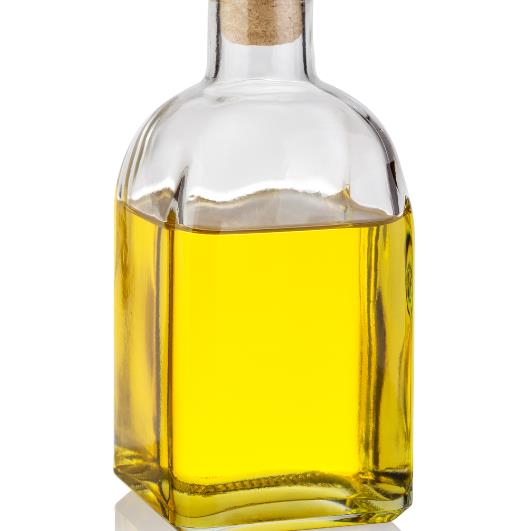
Linolenic Acid: A Closer Look at Its Synthesis, Composition, and Regulatory Aspects
Linolenic acid, is a crucial polyunsaturated omega-3 fatty acid that plays an integral role in human physiology and nutrition.
Dec 12,2024 API
Synthesis and toxicity of m-Cresol
m-Cresol is one of the isomeric compounds of methylphenol, including o-cresol and p-cresol. m-Cresol can be used as a chemical intermediate and is widely used in the fields of medicine and pesticides.
Dec 12,2024 API
Dimethyl 2-ketoglutarate:Physiological effects and Electrochemical behaviour
Dimethyl 2-ketoglutarate is an esterified form of the citric acid cycle intermediate α-ketoglutarate.
Dec 12,2024 Organic Chemistry