


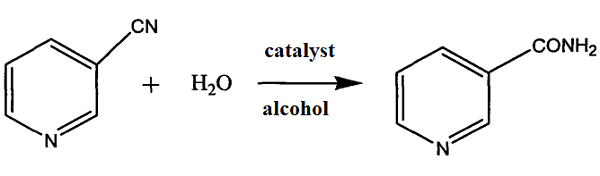
How to synthesize Nicotinamide?
The steps are to dissolve 3-cyanopyridine in alcohol, add water and a catalyst to perform a hydrolysis reaction and obtain nicotinamide through post-processing of the reaction product.
Feb 28,2024 Biochemical Engineering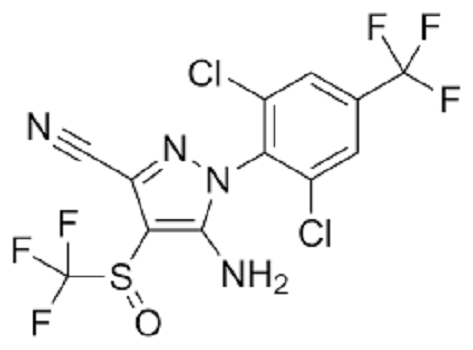
The toxicity studies of fipronil
Fipronil is a member of a new class of insecticides called phenylpyrazoles.
Feb 28,2024 Chemical pesticides 
Is one gram of uranium really equivalent to 20 billion calories?
The assertion that a gram of uranium yields 20 billion calories is a common misconception that requires clarification.
Feb 28,2024 Inorganic chemistry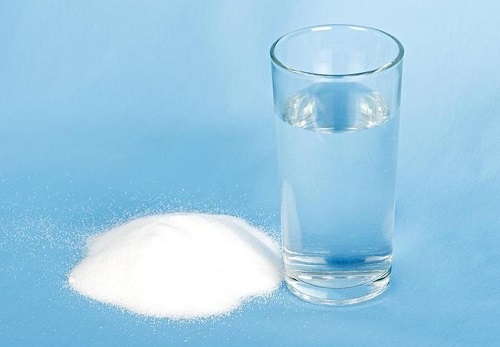
Salt water: A Mixture of Nature's Elements
Salt water, the vast expanse of saline solution covering approximately 71% of the Earth's surface, is a remarkable substance that plays a pivotal role in the planet's ecosystem.
Feb 28,2024 API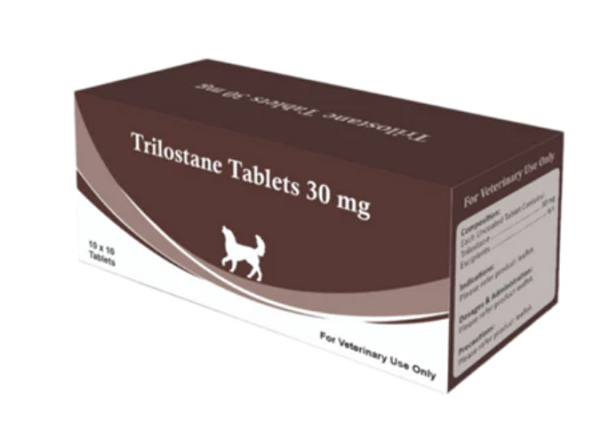
The use of trilostane in dogs
Trilostane is used to treat Cushing’s Disease in dogs and cats.
Feb 28,2024 API
Polyvinyl Butyral (PVB): Chemical Structure, Properties and Applications in Antibacterial Textile
PVB offers excellent glass adhesion and UV resistance, while PVB-based nanofiber yarns with CuO and V2O5 nanoparticles show promising antibacterial efficacy for diverse applications.
Feb 28,2024 API
2-Amino-1,3-propanediol: Overview, Biological Functions and its Derivatives
2-Amino-1,3-propanediol and its derivatives are crucial in phospholipid biosynthesis, neurotransmitter synthesis, and cellular signaling, with wide biological and chemical applications.
Feb 28,2024 API
Bis(cyclopentadienyl)zirconium dichloride: Properties and Applications as Catalyst
Bis(cyclopentadienyl)zirconium dichloride is a highly reactive, selective, and stable catalyst used in polymerization reactions, including styrene and ethylene.
Feb 28,2024 API
Tamoxifen: Origins, Clinical Trials and Dose
Tamoxifen revolutionized early breast cancer treatment with established 5-year adjuvant therapy. Lower doses like 5 mg/day show promise, especially in postmenopausal women.
Feb 28,2024 API
3-Chloroaniline: Applications in the Chemical Industry, Production Methods and Toxic Properties
3-Chloroaniline, a key chemical intermediate, is vital for various industries despite its toxicity. Strict safety measures are crucial for handling to prevent adverse health effects.
Feb 28,2024 API