


Mebendazole Shows Promising Potential as a Therapeutic Agent for Brain Cancer
Mebendazole shows promise in inhibiting brain tumor growth and enhancing conventional therapies in preclinical and clinical studies.
Jan 24,2024 API
Trypsin in colorectal cancer
Trypsin is overexpressed in cancer and contributes to invasiveness. In colorectal cancer, trypsin overexpression correlates with poor prognosis.
Jan 24,2024 API
Sodium cocoyl isethionate: Origin, Benefits for Skin and Side Effects
Sodium cocoyl isethionate is a gentle and effective natural ingredient used in personal care products for cleansing and moisturizing the skin without causing dehydration.
Jan 24,2024 API
Biosynthesis of Pyridoxal Phosphate: A Crucial Coenzyme in Biochemical Reactions
Pyridoxal phosphate is a crucial coenzyme in biochemical reactions. It is synthesized through DXP-dependent and R5P-dependent pathways, with implications for therapeutics and health.
Jan 24,2024 API
Nicotinamide riboside chloride: biological activities and preclinical studies
Nicotinamide riboside chloride increases NAD+ levels, has similar toxicity to nicotinamide, and shows potential benefits in metabolism, liver health, and exercise performance.
Jan 24,2024 API
Effect of enteral nutrition supplemented with octanoic acid on lipopolysaccharide-induced intestinal injury
Enteral nutrition supplemented with octanoic acid prevents lipopolysaccharide-induced intestinal injury via the peroxisome proliferator-activated receptor γ/STAT-1/myeloid differentiation factor 88 pa
Jan 23,2024 Inhibitors
Is Relugolix for advanced prostate cancer FDA-approved?
Yes.The US Food and Drug Administration on 18 December 2020 approved the first oral gonadotropin-releasing hormone (GnRH) receptor antagonist, relugolix for adult patients with advanced prostate cance
Jan 23,2024 Drugs
The introduction of KPT-330(Selinexor)
Selinexor is a first-in-class, oral, small molecule Exportin-1 (XPO1) inhibitor that is being developed by Karyopharm Therapeutics for the treatment of cancer.
Jan 23,2024 Inhibitors
A FLT3 receptor tyrosine kinase inhibitor: Quizartinib dihydrochloride
uizartinib dihydrochloride, or AC220, is a highly potent oral FLT3 receptor tyrosine kinase inhibitor approved in Japan for treating patients with relapsed/refractory FLT3-ITD-positive AML.
Jan 23,2024 Inhibitors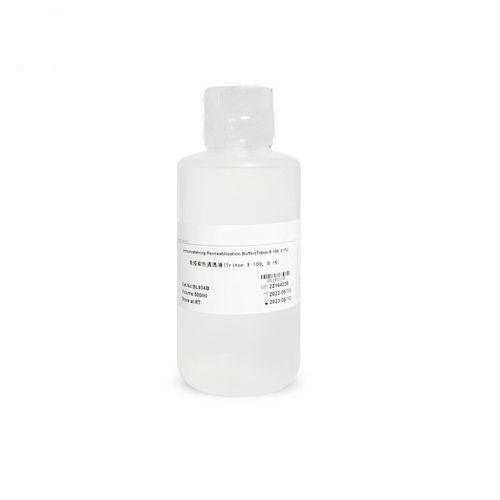
Effect of Triton X-100 on the wheat and lettuce growth and contaminant absorption
?Triton X-100 is a surfactant used in a wide range of applications, including agriculture, but its effects on crops are unknown.
Jan 23,2024 Surfactant