


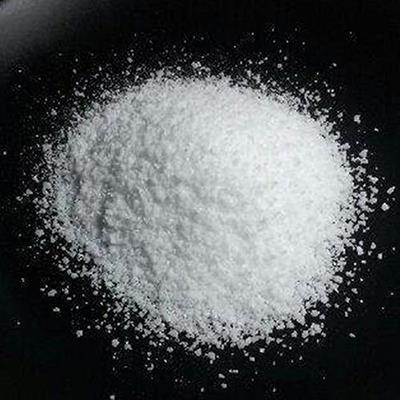
Phthalic anhydride: Pharmacodynamics, Mechanism of action, Toxicity, Applications, Preparation
Phthalic anhydride is a white crystalline compound used primarily in the production of phthalate plasticizers, which are used to make vinyl products.
Apr 27,2023 API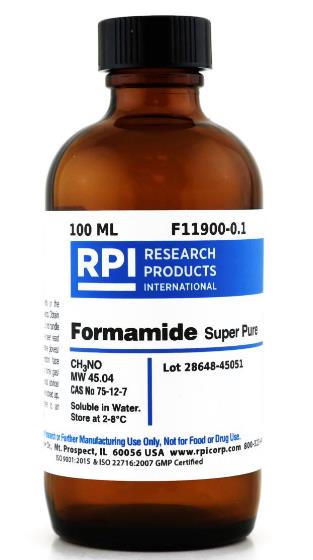
Formamide: Applications, toxicity, storage and Preparation
Formamide is an organic compound with the molecular formula HCONH2. It is a colorless, pungent-smelling liquid at room temperature.Formamide finds wide usage in the chemical industry as a solvent.
Apr 27,2023 API
Triphenylphosphine: Applications, Synthesis, Storage,Catalytic mechanism, toxicity
Triphenylphosphine is a common organophosphorus compound with the formula (C6H5)3P. It is a colorless crystalline solid, which is soluble in organic solvents such as benzene and ether.
Apr 26,2023 API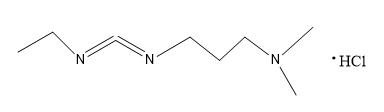
1-(3-Dimethylaminopropyl)-3-ethylcarbodiimide hydrochloride: Application, Storage, Safety
1-(3-Dimethylaminopropyl)-3-ethylcarbodiimide hydrochloride, also known as EDC·HCl, is a popular carbodiimide coupling reagent used in bioconjugation chemistry.
Apr 26,2023 API
L-Glutamine:General description,Application,and Production
L-glutamine (L-Gln) is a non-essential amino acid, which means that it can be synthesized by the human body and is not required to be obtained through the diet.
Apr 26,2023 Blood system medication
Hexamethyldisilazane: Application and synthesis
Hexamethyldisilazane, also known as HMDS and bis(trimethylsilyl)amine, is an organosilicon compound.The molecule is a derivative of ammonia with trimethylsilyl groups in place of two hydrogen atoms.
Apr 26,2023 Organic reagents
Vardenafil hydrochloride: Pharmacokinetics, Mechanism and Synthesis
Vardenafil hydrochloride is an oral medication that is typically used to treat erectile dysfunction (ED) in men, which helps enhance blood flow to penile tissue and improve erectile function.
Apr 26,2023 API
Acetophenone: Applications, Pharmacokinetics and Synthesis
Acetophenone is an organic compound with the chemical formula C8H8O. It is a colorless liquid with a sweet, flowery odor that is used as a solvent and a precursor in the synthesis.
Apr 26,2023 API
Benzophenone:Uses,Exposure,Disposal
Benzophenone is a white solid with a sweet floral smell, with a characteristic smell, practically insoluble in water, but more soluble in organic solvents.
Apr 25,2023 Organic Chemistry
L(+)-Arginine: Function, source and pharmacodynamics
L(+)-Arginine is one of the most versatile amino acids in animal cells, serving as a precursor for the synthesis not only of proteins but also of nitric oxide, urea, polyamines, and proline.
Apr 25,2023 Amino Acids and Proteins