


Uses of Nisin
Nisin was less effective in high-fat sausages and in the presence of orthophosphates. Samelis et al found that dipping sliced pork bologna in nisin (125 μg/ml) plus sodium diacetate (3 μg/ml) was more
Mar 7,2022 Biochemical Engineering
Mechanism of GdL
For many manufacturers of undried or semidry sausages, Glucono-delta-Lactone(GdL) is the preferred acidulant. It is applied as a crystalline powder that is freely soluble in water, where it hydrolyzes
Mar 7,2022 Biochemical EngineeringApplication of Microcrystalline cellulose
Microcrystalline cellulose (MCC) is mainly composed of β- 1,4-glucoside bonded linear polysaccharide [1] is a white, odorless and tasteless crystalline powder composed of free flowing short rod or pow
Mar 7,2022 Food Additives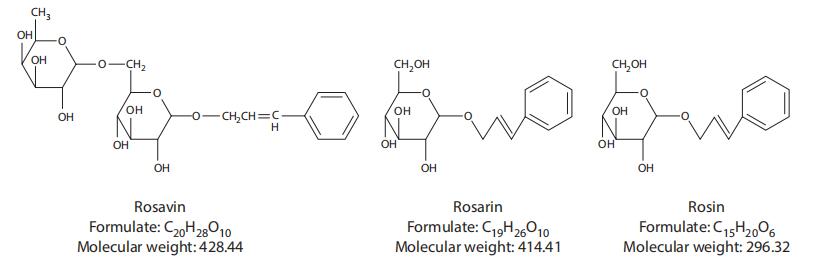
Impact of Rhodiola rosea on Skin
Rhodiola rosea (R. rosea) belongs to the plant family of Crassulaceae and grows primarily in high altitudes in the mountainous arctic areas of Tibet, Russia, China, and India.
Mar 6,2022 Plant extractsMechanism of Action of Resveratrol in Skin Barrier Repair
The ability of any topical cosmeceutical to permeate the skin barrier is essential to its ability to reach actively metabolic cells and affect their processes.
Mar 6,2022 Plant extracts
Topical Resveratrol used in Cosmetics
Resveratrol has recently become popular as a component of topical cosmeceuticals for its anti-aging properties and other benefits. It has a wide range of effects on the skin.
Mar 6,2022 Plant extracts
Functions of N-acetyl glucosamine
N-acetyl glucosamine (NAG) is a newer pigment reduction agent. It is an amino-monosaccharide produced in the body by adding an amino group to glucose.
Mar 4,2022 Biochemical EngineeringHealth hazard of Ozone
Ozone (O 3 ) is a naturally occurring, highly unstable colorless gas with an odor that can be detected at the end of a rainstorm.
Mar 4,2022 Inorganic chemistry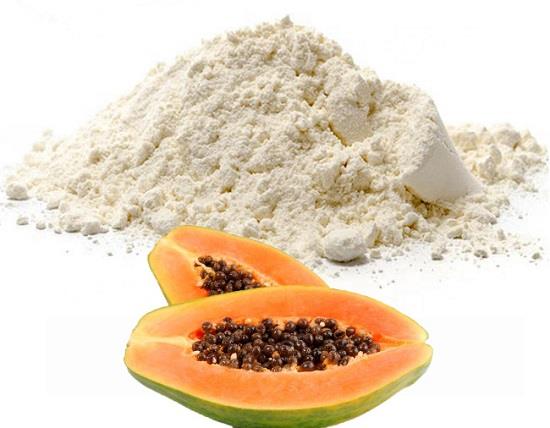
Papain (EC 3.4.22.2)
Papain (EC 3.4.22.2) is a protease derived from the latex portion of the papaya plant ( Carica papaya ), and is gathered by scoring the surface of the mature, unripe fruit, after which the latex is co
Mar 4,2022 Biochemical EngineeringProperties and Applications of Gelatin
Gelatin is the heat-denatured, partially hydrolyzed form of native, insoluble collagen. Gelatin is deficient in methionine and completely devoid of tryptophan (Bailey & Light, 1989) , both essential a
Mar 4,2022 Food Additives