


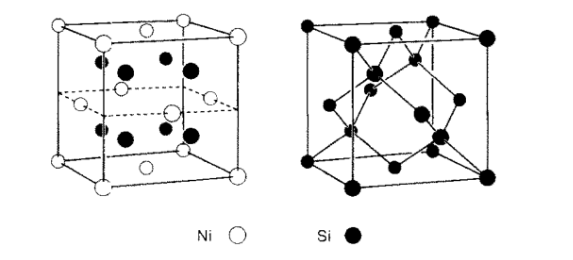
What is the crystal structure of nickel silicide?
Nickel silicide is an inorganic compound consisting of nickel and silicon atoms.
May 21,2024 API
How to synthesize Fluoroboric acid?
Fluoroboric acid is an inorganic, corrosive, strong acid with the chemical formula [H+][BF4-]. Available in various quantities, it is used as a precursor to fluoroborate salts and as a catalyst for al
May 21,2024 Inorganic acid Esters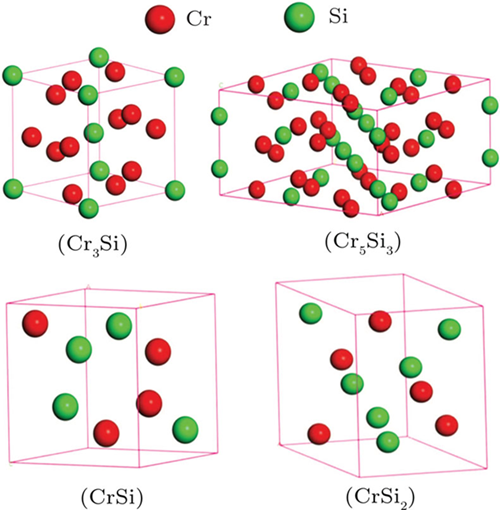
What is the crystal structure of chromium silicide?
Chromium silicide, a compound formed from chromium and silicon, is a material that has garnered interest due to its potential applications in various fields such as thermoelectric devices, semiconduct
May 21,2024 API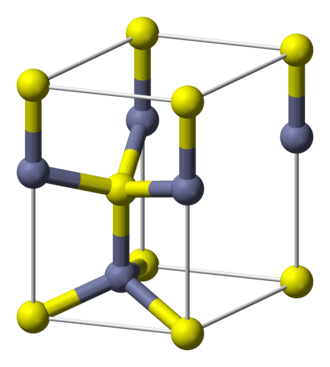
What is the crystal structure of cadmium Selenide?
At normal temperature and pressure Cadmium selenide crystallizes in the hexagonal, wurtzite lattice. CdSe can also crystallize in the cubic, zinc-blende modification (c-CdSe), although it is me-tastab
May 21,2024 Inorganic chemistry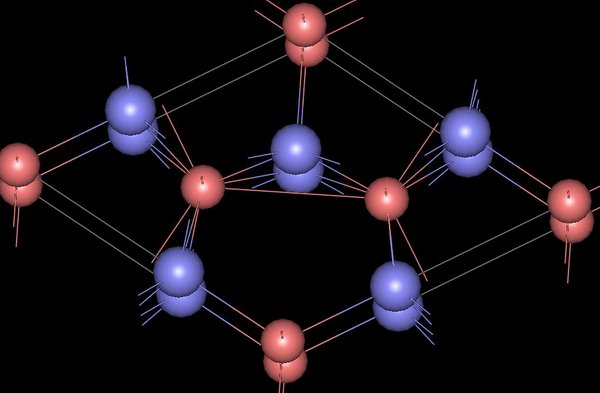
Crystal Structure of Tantalum nitride
Tantalum nitride (TaN) is a chemical compound that consists of tantalum and nitrogen.
May 21,2024 API
A promising photocathode material-Copper gallium selenide
The copper chalcopyrite CuGaSe2 and the defect-related phase CuGa3Se5 are promising photocathode materials for solar hydrogen generation
May 21,2024 Inorganic chemistry
A rare earth metal oxide: lanthanum oxide
La2O3 has various optical applications, such as in infrared transmitting glass ceramics and as an additive to various transparent ceramic laser materials to improve their optical properties.
May 21,2024 Inorganic chemistry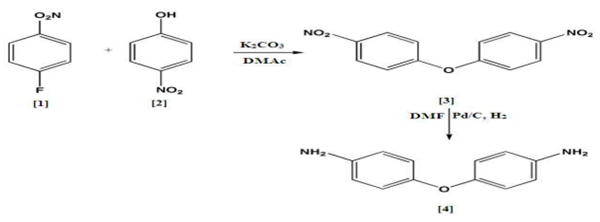
Synthesis and crystal structure analysis of 4,4'-oxydianiline
The title compound, 4,4'-Oxydianiline, was synthesized in good yield by the reaction of 4-fluoro nitrobenzene with 4-nitrophenol in dimethylacetamide (DMAc) and toluene at 165 ?C for 4 h in the presen
May 21,2024 API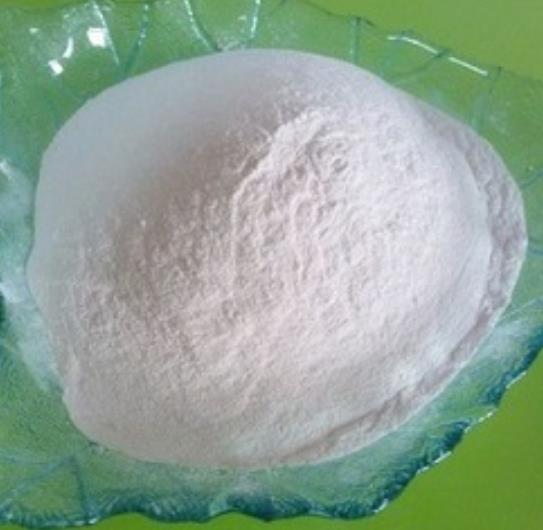
Neotame: An Overview of the Next Generation Sweetener
Neotame is approximately 7,000 to 13,000 times sweeter than sucrose, making it one of the most intense sweeteners available.
May 21,2024 API
L-Menthol: The Cooling Compound and Its Multifaceted Applications in Chemistry
L-Menthol continues to be a compound of high interest due to its therapeutic properties and its versatility in applications across different industries.
May 21,2024 API