


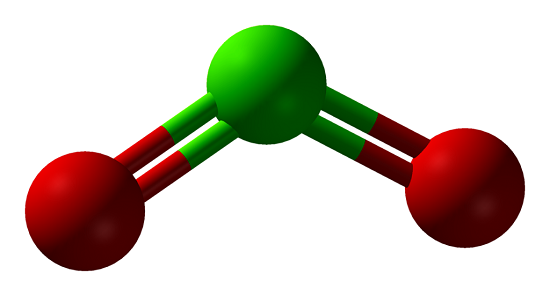
What is chlorine dioxide used for?
Chlorine dioxide is the most widely used bleaching agent, in particular for high-quality cellulose. It destroys lignin without attacking cellulose, yielding a characteristically white cellulose.
Mar 16,2024 Catalyst and Auxiliary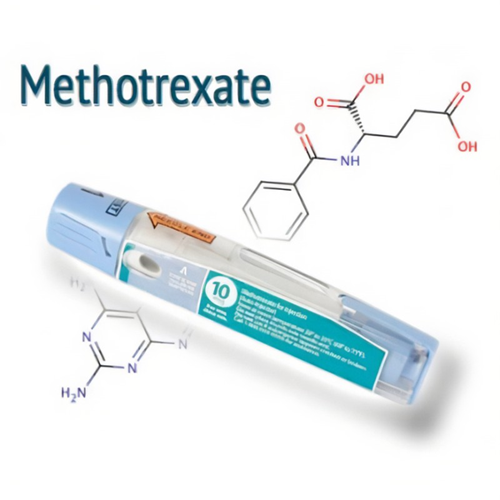
Methotrexate: Mechanism of Action and Mechanisms of Resistance
Methotrexate can inhibit dihydrofolate reductase (DHFR, Ki = 10?11 M), a key enzyme for the maintenance of biologically active intracellular reduced folate pools.
Mar 16,2024 Drugs
Uses and Hazards of Bitumen
Bitumen is a primary engineering material, functioning as a binder in road construction and as a weatherproofing membrane in roofing and structural applications.
Mar 16,2024 Inorganic chemistry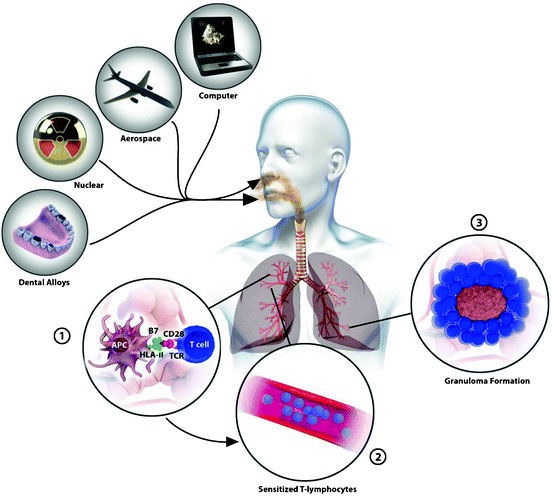
The safety of Beryllium
Beryllium can elicit a strong cellular immune response in vivo. Chronic beryllium disease is an allergic reaction of the delayed type, in which beryllium appears to act as a hapten that binds to pepti
Mar 16,2024 Inorganic chemistry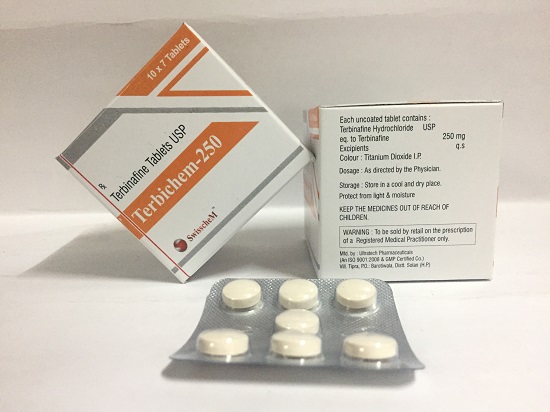
What is terbinafine used for?
Oral and topical treatment of dermatophytoses and onychomycoses. Terbinafine also shows activity in the topical treatment of pityriasis versicolor and cutanous candidiasis.
Mar 16,2024 API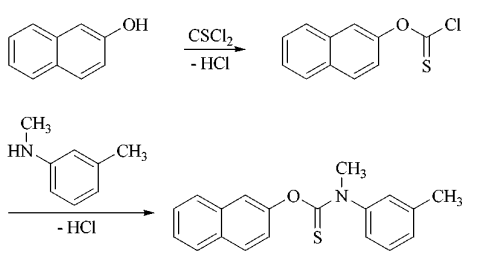
What is tolnaftate ointment used for?
The indications for tolnaftate are defined by its narrow spectrum and limited to the treatment of dermatophytoses. Tolnaftate is effective when topically administered several times daily over a period
Mar 16,2024 API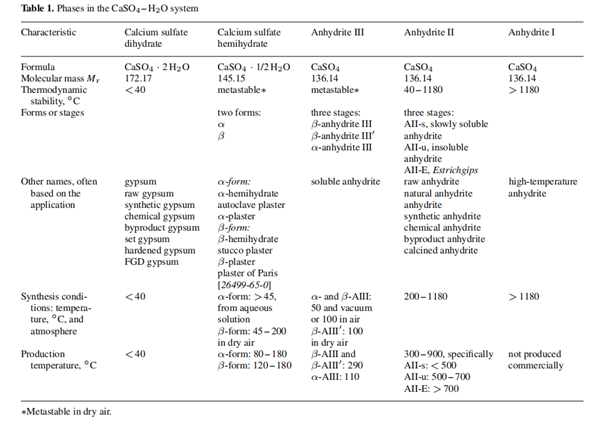
The CaSO4 – H2O System: Physical properties and Laboratory Synthesis
The CaSO4– H2O system is characterized by five solid phases.
Mar 16,2024 API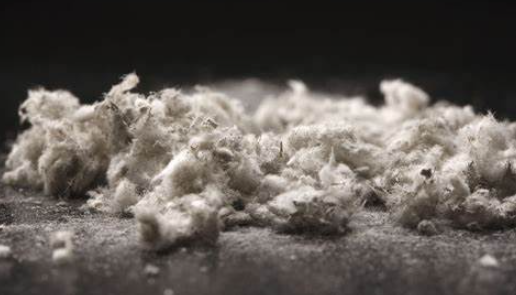
Uses and Health hazard of Asbestos
Asbestos is the common name of several naturally occurring, hydrated silicate minerals that possess a crystalline structure and low thermal conductivity.
Mar 16,2024 Inorganic chemistry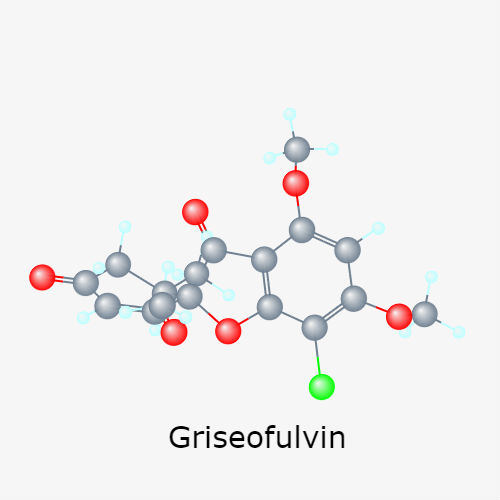
What is griseofulvin used for?
The indications for griseofulvin are dermatophytoses and onychomycoses which do not respond to topical therapy.
Mar 16,2024 API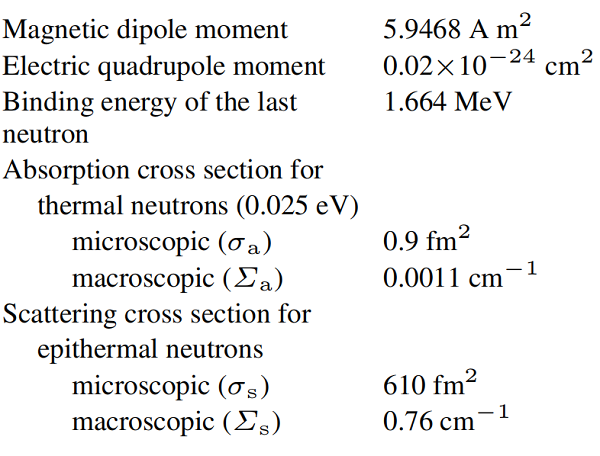
Beryllium: Discovery, Physical Properties, and Chemical property
Beryllium, Be, is the first element in the second main group of the periodic table. It is a light metal with a hexagonal-closest-packed (hcp) structure.
Mar 16,2024 Inorganic chemistry