


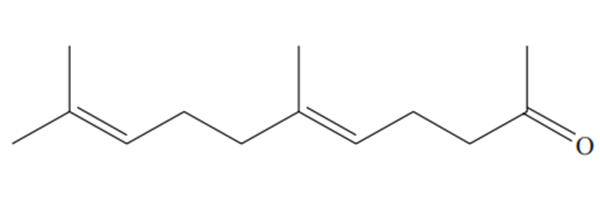
Geranyl acetone: Properties, Production process and Uses
Geranyl acetone is a fragrance and flavor substance, which is widely used in foods, beverages, cosmetics, household cleaners and detergents.
Mar 6,2024 Flavors and fragrances
Difference between petroleum and Petrolatum?
Vaseline is a petroleum-derived substance made from petroleum. Crude oil is refined, processed and purified for the preparation of petroleum jelly.
Mar 6,2024 API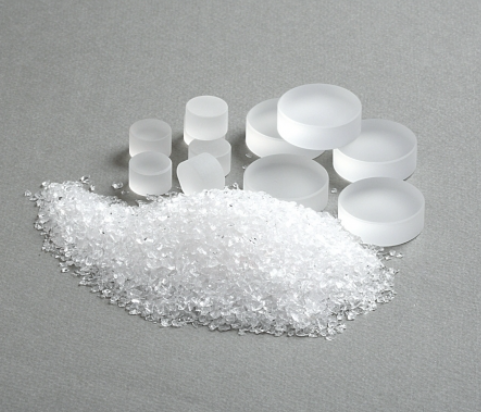
Is silicon dioxide in supplements and food safe?
Silicon dioxide, also known as silica or SiO2, is a naturally occurring compound. It's made of silicon and oxygen.
Mar 6,2024 Inorganic chemistry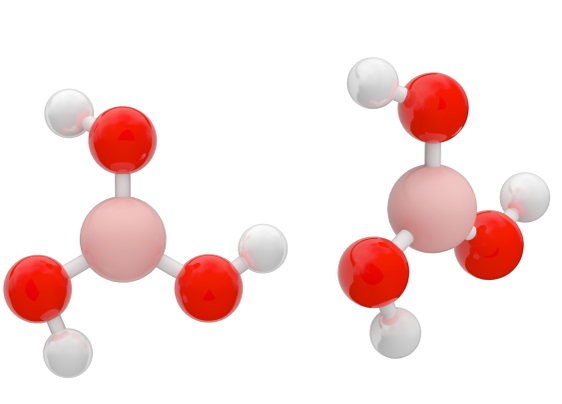
How long does it take for boric acid to dissolve?
Understanding the dissolution process is crucial to ensure the suppositories are effective and provide relief. Boric acids take between 4-12 hours to dissolve. Avoid any intercourse till the boric aci
Mar 6,2024 Inorganic chemistry
Is lemonade acidic or a base?
Lemonade is acidic, which is caused by the high amount of citric acid in lemons.
Mar 6,2024 API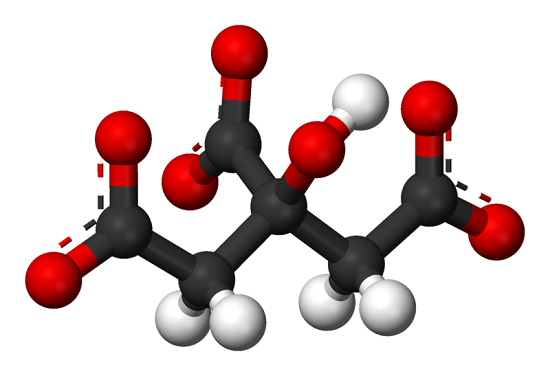
Potassium citrate vs Potassium gluconate
Both potassium citrate and potassium gluconate may be used as food additives or supplements, but they have some slightly different applications.
Mar 6,2024 API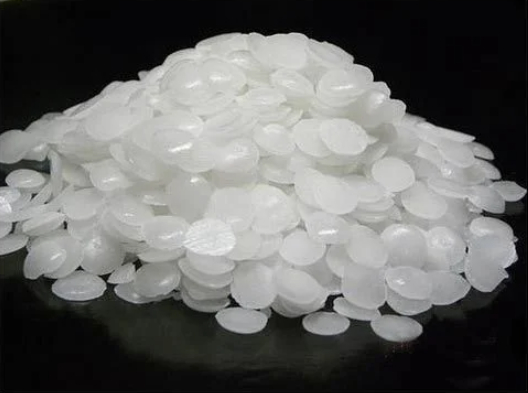
Sodium hydroxide:pH calculation,Uses,Health hazards
Liquid sodium hydroxide is colorless and has no odor. It can react violently with strong acids and with water.
Mar 6,2024 Inorganic chemistry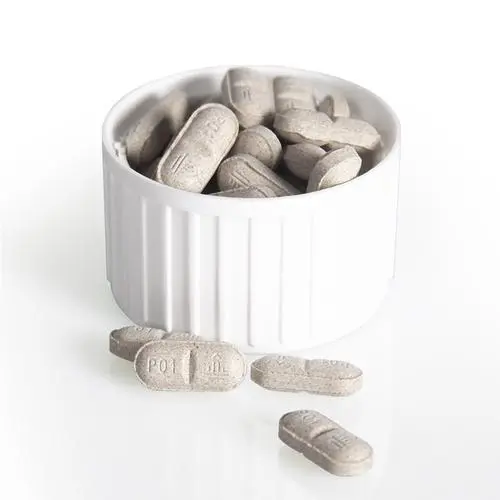
How long can a dog with congestive heart failure survive on Pimobendan?
In general, dogs diagnosed with congestive heart failure can live from 6 months to 1.5 or 2 years.
Mar 6,2024 Drugs
Ceftiofur sodium: Uses, Mechanism of action and Side effects
Ceftiofur sodium is a third-generation cephalosporin antibiotic active against Gram-positive and Gram-negative bacteria, including beta-lactamase-producing strains.
Mar 6,2024 Drugs
Veterinary drug Marbofloxacin: Uses, Mechanism of action, Adverse reactions and Toxicity
Marbofloxacin is a synthetic fluoroquinolone veterinary-specific antimicrobial drug with broad-spectrum antibacterial activity against both Gram-negative and Gram-positive bacteria.
Mar 6,2024 Drugs