


Tirbanibulin: Synthesis and Introduction
Tirbanibulin, a first-in-class dual inhibitor of tyrosine-protein kinase CSK, more commonly termed Src kinase, was developed by Athenex Inc.
Dec 26,2023 Inhibitors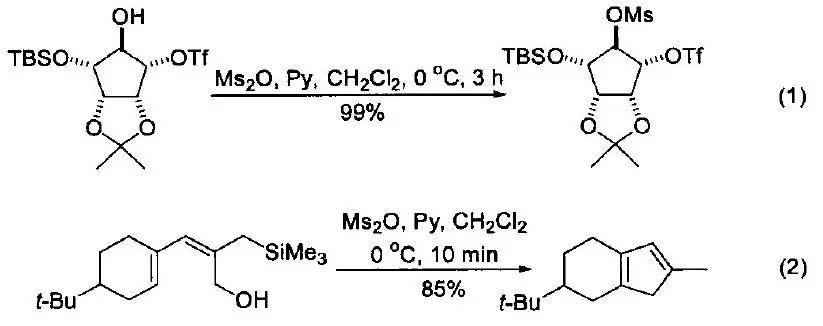
Methanesulfonic anhydride:a protective reagent
Methanesulfonic anhydride is a versatile reagent in organic synthesis, but careful handling is crucial due to its corrosiveness and sensitivity to moisture.
Dec 26,2023 Organic reagents
Sulfur Dioxide's Potential Physiological Benefits in Regulating Vascular Structure
Sulfur dioxide, released from combustion, has solubility in water, toxic inhalation effects, and regulates vasorelaxation and vascular structure through the sGC/cGMP/PKG pathway.
Dec 26,2023 API
The Pharmacodynamics of L(-)-Epinephrine and Its Role in Anaphylaxis Management
L(-)-Epinephrine is a sympathomimetic drug that activates beta-1 and beta-2 receptors, providing relief from asthma, croup, anaphylaxis, and allergic reactions, with rapid metabolism and elimination.
Dec 26,2023 API
Unleashing the Potential of Dicyclohexylamine in Catalytic Reactions
Dicyclohexylamine can be synthesized by diphenylamine using supported rhodium catalysts and it is a versatile compound with diverse applications as reactant and catalyst.
Dec 26,2023 API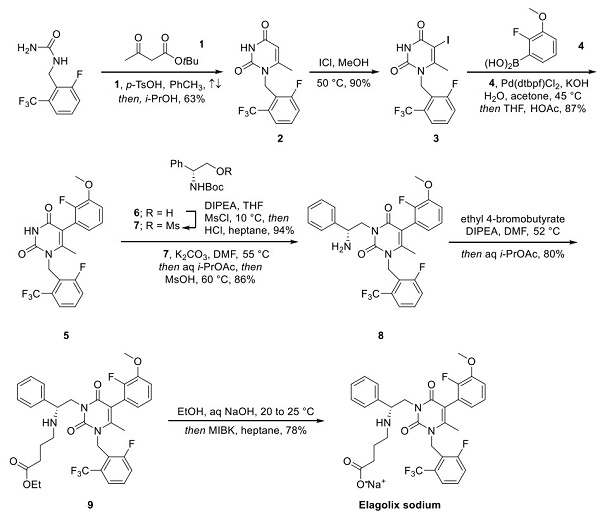
A non-peptide GnRH receptor antagonist: Elagolix
Elagolix is a small molecule, second-generation, non-peptide GnRH receptor antagonist that reduces levels of ovarian sex hormones in the blood.
Dec 25,2023 Biochemical Engineering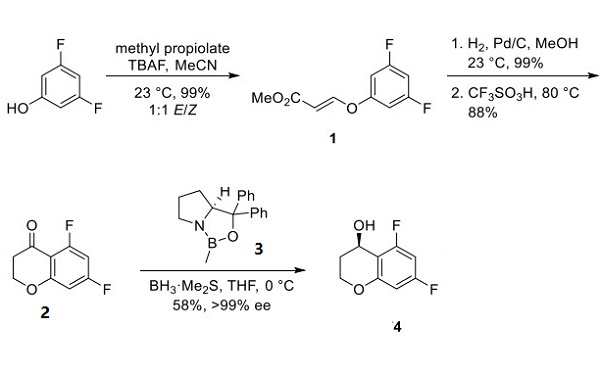
How to synthesize Tegoprazan?
Tegoprazan is a novel orally active P-CAB. Key challenges in the drug preparation are the construction of the tetrasubstituted aryl core and the efficient introduction of the enantiomerically pure chr
Dec 25,2023 Biochemical Engineering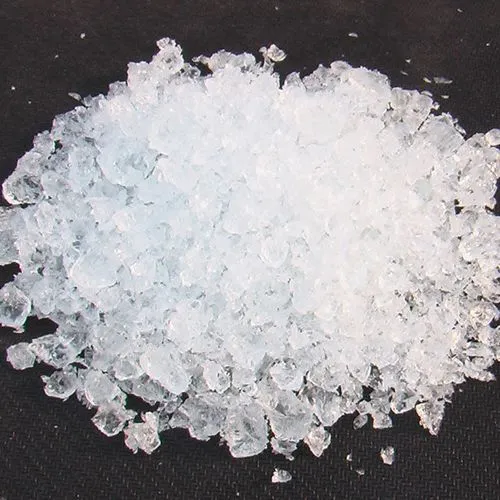
Coagulation and application of Sodium silicate
Sodium silicate is widely used as a coagulation accelerator for oil-well cement.
Dec 25,2023 API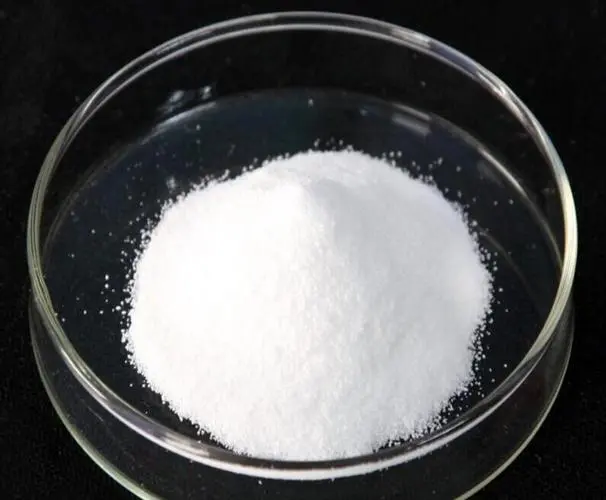
What is the toxicity of Sodium sulfate
Sodium sulfate may result in gastrointestinal irritation and diarrhea.
Dec 25,2023 API
The synthetic route of Elobixibat
Elobixibat is an IBAT inhibitor that modulates the enterohepatic circulation of BAs. Elobixibat Sulfone is the early stage intermediate of Elobixibat.
Dec 25,2023 Inhibitors