


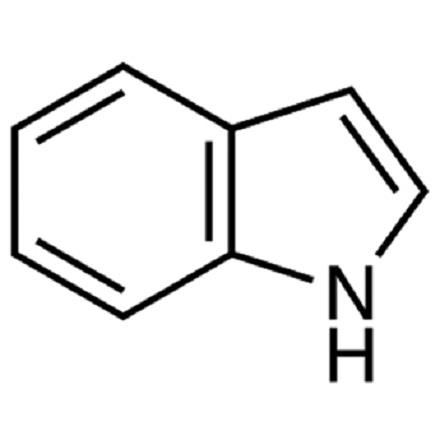
Biologically active and Synthesis of indole
The name indole is derived from the Indian word indigo, the blue dye that was first exported to Europe from India in the 16th century. It is constituted by fusion of the benzene ring with 2,3-positio
Jan 21,2022 Organic Chemistry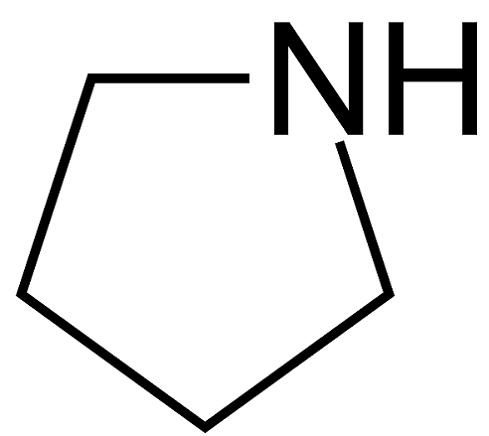
Uses and Properties of Pyrrolidine
Pyrrolidine is a saturated five-membered cyclic compound in which nitrogen is part of the ring. Pyrrolidine is also known as tetrahydropyrrole or azacyclopentane and is basic in nature. It is practic
Jan 21,2022 Organic Chemistry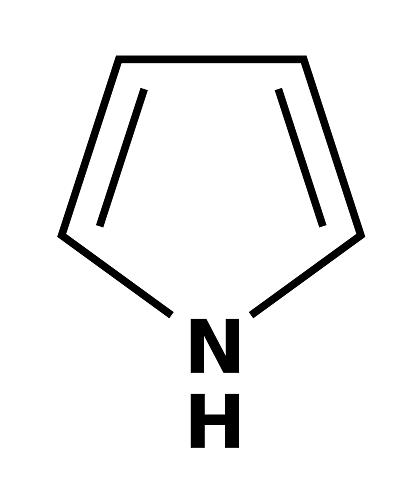
Application of Pyrrole
Pyrrole is isoelectronic with a cyclopentadienyl anion but is electrically neutral because of the higher nuclear charge on nitrogen. The heteroatoms, N, O, and S, in the ring can be either neutral or
Jan 21,2022 Organic Chemistry
Sodium Salicylate vs Aspirin
Sodium salicylate is a metabolite of acetylsalicylic acid (sc-217570), and functions by inhibiting NF κ B and reduces oxidative stress. The agent has the ability to protect against neurotoxicity induc
Jan 20,2022 API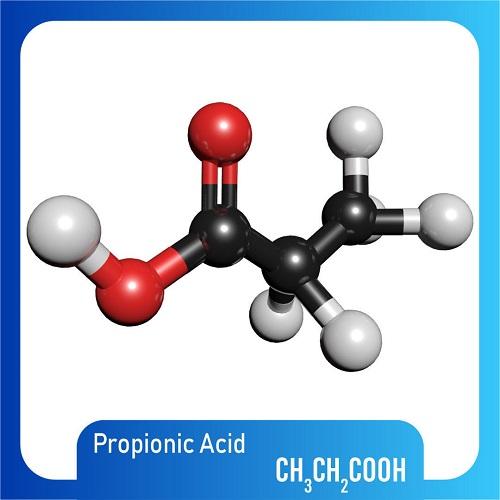
Propionic acid (PA)
Propionic acid (PA) is an important organic molecule of vast economic importance that includes food preservatives, flavoring agents, pharmaceutical formulations, textile and rubber auxiliaries, plasti
Jan 20,2022 Organic Solvents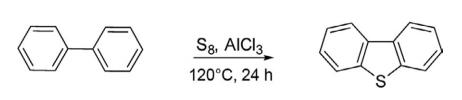
Dibenzo[b,d]thiophene---Applications and Synthesis
Dibenzothiophene, particularly 3,7-diaminodibenzothiophene-5,5-dioxide, is used as a dye and fluorescent whitener. It is potentially useful as electrophilic trifluoromethylating agents.
Jan 20,2022 Organic Solvents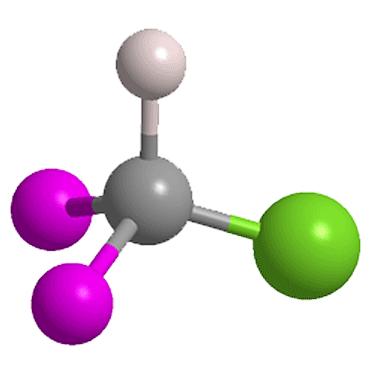
Environmental Effects of Difluorochloromethane
Chlorodifluoromethane was first used as an alternative to the highly ozone depleting CFC-11 and CFC-12 because of its relatively low ozone depletion potential of 0.055, among the lowest for chlorine-c
Jan 19,2022 Organic Chemistry
Effects of Cefovecin Sodium
Cefovecin Sodium, also known as Convenia, is an antibiotic of the cephalosporin class, licensed for the treatment of skin infections in cats and dogs.
Jan 19,2022 API
General Description of Cesium chloride
Caesium chloride or cesium chloride is the inorganic compound with the formula CsCl. This colorless salt is an important source of caesium ions in a variety of niche applications.
Jan 19,2022 Inorganic salts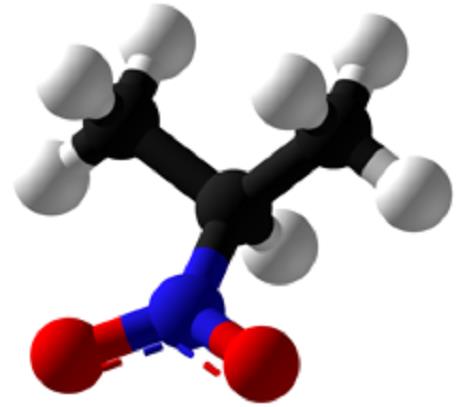
Preparation and Uses of 2-Nitropropane
2-Nitropropane is used primarily as a solvent. Severe liver damage, as well as some kidney damage, has been observed in workers poisoned from acute (short-term) inhalation exposure to 2-nitropropane.
Jan 19,2022 Chemical Reagents