


Safety of Cyanamide
Cyanamide is a colorless, orthorhombic, hydrophilic, crystalline solid with amild odor. It is similar to but not as toxic as cyanide.Containing both nucleophilic and electrophilic sites on the same mo
Jan 13,2022 Chemical Reagents
Benefits of Lecithin
Lecithin (also known as alpha-phosphatidylcholine) is a naturally occurring nutrient found in foods that is also sold as a dietary supplement.
Jan 12,2022 Fatty aldehyde
Applications of precipitated calcium carbonate
Precipitated calcium carbonate (PCC) is an innovative product derived from lime, which has many industrial applications. PCC is made by hydrating high-calcium quicklime and then reacting the resultin
Jan 12,2022 Inorganic chemistry
Introduction of Magnesium Stearate
Magnesium distearate is a magnesium salt. Magnesium stearate is a white, dry, easy, sand free and smooth powder, non-toxic,
Jan 12,2022 Catalyst and Auxiliary
Lactobionic Acid Benefits
Lactonionic acid is a high value lactic acid derivative that has potential in skincare as a less irritable AHA (it’s sub-category is a PHA) and while it’s just gaining prominence it’s not exactly new.
Jan 12,2022 Biochemical EngineeringCaffeic acid - Health Benefits
Caffeic acid is a polyphenol, a class of micronutrients found in plant foods. More specifically, caffeic acid is part of a group of polyphenols called hydroxycinnamic acids.
Jan 12,2022 API
General Introduction of Calcium Carbonate Powder
Calcium carbonate is an inorganic compound, the main component is limestone, the molecular formula is CaCO3, and the molecular weight is 100.09.
Jan 12,2022 Inorganic salts
Cumene-Mechanism of toxicity
Cumene is a common name for isopropylbenzene, an organic compound. Cumene is a volatile colorless liquid at room temperature with a characteristic sharp, penetrating, aromatic odor. It is insoluble in
Jan 12,2022 Organic Chemistry
Uses of CS
CS, or o-chlorobenzylidene malononitrile, is the current major riot control agent (RCA) used by U.S. military forces. It was originally synthesized in 1928 by Corson and Stoughton, and the U.S. Army d
Jan 12,2022 Chemical Reagents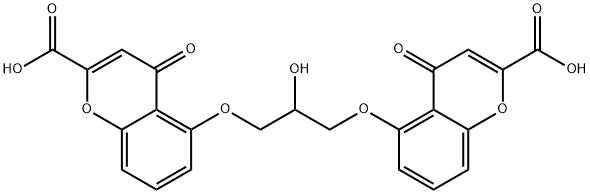
Uses of Cromolyn
Cromolyn is a synthetic analog of the plant extract khellin that was first developed in the late 1960s and introduced into clinical practice the following decade. It is continued to be used widely in
Jan 12,2022 Biochemical Engineering