


2-Phenylacetophenone: Structure, Applications and Synthesis Methods
Oct 9,2026
Introduction
The basic structure of 2-Phenylacetophenone can be seen as the α position of acetophenone is substituted by a phenyl group, and the two aromatic rings are connected through a -CH₂-C(=O)- chain to form a deoxybenzoin skeleton. This mother core is widely found in pharmacologically active molecules and drug candidates, and is the core raw material for the synthesis of various functional ketone compounds [2]. Introducing substituents such as hydroxyl, alkyl or halogen on the aromatic ring of 2-Phenylacetophenone can significantly adjust its electronic properties and biological activity, thus deriving a series of functional molecules [1].

Application
The value of 2-Phenylacetophenone is mainly reflected in two aspects. First, as a drug and functional molecular skeleton: naphthyl β-ketophosphonic acid, nebicapone, etc. all contain this structure and are “popular fragments” in medicinal chemistry [2]. The second is anti-infective activity: Screening of 2′,3′,4′-trihydroxy-2-phenylacetophenone derivatives showed that some compounds showed good inhibition against Gram-positive bacteria such as Bacillus subtilis and Staphylococcus aureus, and the optimal ones had LC₅₀ as low as 5.6–5.8 μM [1]; other studies have 2-Phenylacetophenone has been identified as a powerful efflux pump inhibitor that can synergize with antibiotics such as kanamycin, ethambutol, and isoniazid, providing a new treatment idea for combating drug-resistant bacteria [3].
Synthesis method
The traditional synthesis route of 2-Phenylacetophenone mostly adopts Friedel–Crafts acylation/condensation strategy, which is to condense phenols with the corresponding phenylacetic acid derivatives under strong acid conditions such as polyphosphoric acid (PPA) to construct the 2-phenylacetophenone parent ring [1]. The raw materials of this method are easy to obtain, but the conditions are severe and the compatibility of functional groups is limited.
A more ingenious modern method is ruthenium-catalyzed decarboxylation cross-coupling: Yang et al. used benzoylformic acid (α-keto acid) and toluene as substrates, Ru(PPh₃)₃Cl₂ as catalyst, and DTBP as oxidant. The coupling of acyl radicals and benzyl radicals occurred under nitrogen protection at 120 ° C. The target skeleton was constructed in one step, and the results were moderate to good (maximum). A variety of substitution products were obtained with a yield of 85%) [2]. Mechanistic studies show that the reaction proceeds via a free radical pathway, with the ruthenium catalyst playing a key role in the decarboxylation step.
Detection method
How do you know if the synthesized 2-Phenylacetophenone is correct? Scientists mainly rely on three methods: nuclear magnetic resonance (NMR) to see the arrangement of hydrogen atoms and carbon atoms in the molecule, and high-resolution mass spectrometry (HRMS) to weigh the precise weight of the molecule. The combination of the two can determine the structure [1].
As for the antibacterial effect of 2-Phenylacetophenone, Goto and others raised the bacteria in a liquid, added compounds of different concentrations to see if the bacteria grew long, and calculated the half inhibitory concentration (LC₅₀) - the smaller the value, the more powerful the compound [1].
Hellewell et al. used a dye called resazurin: live bacteria will dye blue into pink, and the color change can be used to determine whether the bacteria are dead or alive, thereby measuring the minimum inhibitory concentration (MIC) [3]. They also used an ethidium bromide (EtBr) accumulation experiment: if the compound can prevent bacteria from pumping EtBr out, more EtBr will accumulate in the bacteria and the fluorescence will become stronger, indicating that the efflux pump is inhibited [3]. Finally, the chessboard method is used to combine compounds and antibiotics in pairs, and the synergy index (FIC) is calculated to determine whether to join forces to kill the enemy or to hinder each other [3].
Notes
The cytotoxicity of 2-Phenylacetophenone derivatives cannot be ignored. Hellewell et al. [3] found that its selectivity index is low, with a GIC₅₀ for macrophages of 125~250 μg/mL and an SI of only 0.25~0.5 for E. coli, indicating that mammalian cells may be damaged at effective concentrations. Chalcones and stilbenes are more toxic [3]. Chemical modification will be needed to reduce toxicity in the future. During the synthesis, BF₃·OEt₂ and DTBP need to be handled with caution, and the ruthenium catalyst needs to be stored in an inert atmosphere [1,2].
References
[1] Goto H, Kumada Y, Ashida H, Yoshida K-i. Discovery of Novel 2′,3′,4′-Trihydroxy-2-phenylacetophenone Derivatives as Anti-Gram-Positive Antibacterial Agents. Bioscience, Biotechnology, and Biochemistry, 2009, 73(1): 124-128. DOI: 10.1271/bbb.80532
[2] Yang S, Dai C, Chen Y, Jiang Y, Shu S, Huang Z, Zhao Y. Ruthenium(II)-Catalyzed Cross-Coupling of Benzoyl Formic Acids with Toluenes: Synthesis of 2-Phenylacetophenones. European Journal of Organic Chemistry, 2021. DOI: 10.1002/ejoc.202100432
[3] Hellewell L, Bhakta S. Chalcones, stilbenes and ketones have anti-infective properties via inhibition of bacterial drug-efflux and consequential synergism with antimicrobial agents. Access Microbiology, 2020, 2. DOI: 10.1099/acmi.0.000105
- Related articles
- Related Questions
- 2-Phenylacetophenone: Structure, Applications and Synthesis Methods Oct 9,2026
This article summarizes the structural characteristics, applications, synthesis methods, detection methods and usage precautions of 2-Phenylacetophenone.

Sodium sulfite (SS) is a white, odourless, crystalline powder with a sulfurous taste that has reducing properties.....
Apr 22,2026Inorganic chemistry
Lithium phosphate (Li3PO4) is a white-colored powder, it is employed in research activities in ceramics and glass manufacturing, catalysis, pharmaceuticals, optoelectronics, corrosion inhibition, laboratory reagents etc.....
Mar 31,2025Inorganic chemistry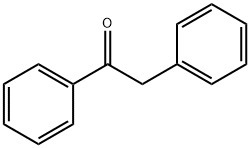
2-Phenylacetophenone
451-40-1You may like
- Cyclopentanone: Uses, Synthesis, and Safety
Oct 13,2026
- Boron Phosphate: Structure and Synthesis Methods
Oct 13,2026
- (R)-Lactate: Uses and Mechanism of Action
Oct 13,2026
2-Phenylacetophenone manufacturers
- 2-Phenylacetophenone
-
- $22.00
- 2026-10-13
- CAS:451-40-1
- Min. Order: 1kg
- Purity: 99%
- Supply Ability: 200mt
- 2-Phenylacetophenone
-
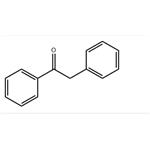
- $25.00
- 2026-08-07
- CAS:451-40-1
- Min. Order: 1KG
- Purity: 99%
- Supply Ability: 200000KG
- 2-Phenylacetophenone
-
- $9.00
- 2026-05-28
- CAS:451-40-1
- Min. Order: 1KG
- Purity: 99.9
- Supply Ability: 1 ton