


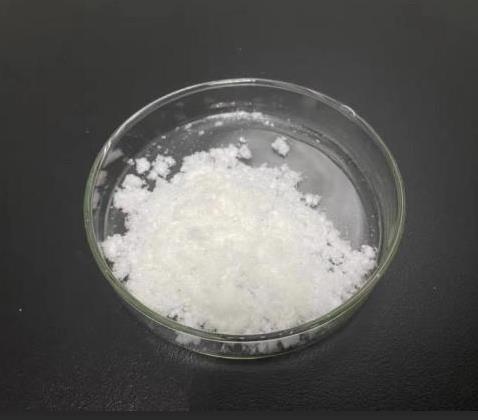
What is Polydeoxyribonucleotides (PDRNs)?
Polydeoxyribonucleotides (PDRNs) are a family of DNA-derived drugs with a molecular weight ranging from 50 to 1500 kDa, which are mainly extracted from the sperm cells of salmon trout or chum salmon.
Aug 30,2021 Biochemical Engineering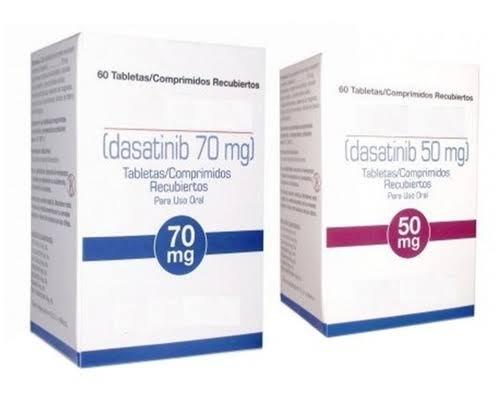
What is Dasatinib?
Dasatinib Anhydrous is an orally bioavailable synthetic small molecule-inhibitor of SRC-family protein-tyrosine kinases. Dasatinib binds to and inhibits the growth-promoting activities of these kinase
Aug 27,2021 Antineoplastic agentsPolydeoxyribonucleotides(PDRN)
Polydeoxyribonucleotide (PDRN) is an agonist of the A2A adenosine receptors.It is DNA derived from a controlled purification and sterilization process of the sperm of Oncorhynchus mykiss (Salmon Trout
Aug 27,2021 Chemical pesticides What is Nicotinic acid?
Nicotinic acid, also known as niacin, anti-mangie factor, vitamin B3, vitamin PP, is one of the water-soluble B vitamins. Niacin is relatively stable in nature, and generally has less loss in cooking
Aug 27,2021 API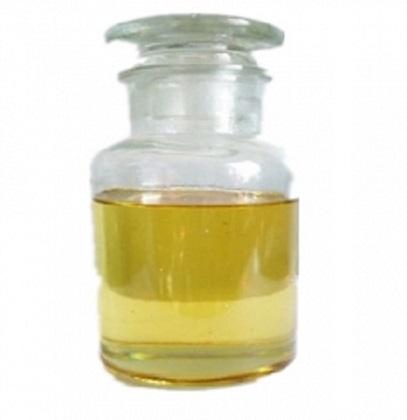
What is N-methylaniline?
N-methylaniline appears as a colorless to brown viscous liquid. Insoluble in water and denser than water. Contact may irritate skin, eyes and mucous membranes. May be toxic by ingestion. Used to make
Aug 27,2021 Organic ChemistrySafety of 3,3',4,4'-Benzophenonetetracarboxylic dianhydride(BTDA)
Benzophenone-3,3',4, 4'-tetracarboxylic dianhydride (BTDA) is used as intermediate and in polycondensation (fiber and powder production) to manufacture plastic products or fine chemicals in the indust
Aug 26,2021 Catalyst and Auxiliary
What is 1-Phenyl-2-nitropropene?
1-phenyl-2-nitropropene is used in the production of pharmaceuticals, for instance, for drug Adderall, a drug used to treat ADHD and narcolepsy.
Aug 26,2021 Hydrocarbons and derivatives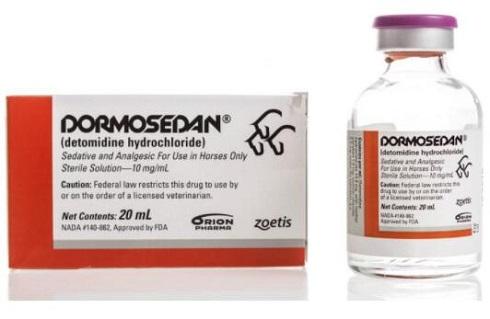
What is Detomidine HCL?
Detomidine is an imidazole derivative and α2-adrenergic agonist,used as a large animal sedative, primarily used in horses. It is usually available as the salt Detomidine HCL. It is a prescription medi
Aug 26,2021 API
What is Dimethyl dicarbonate?
?Dimethyl dicarbonate (DMDC), also known as Viguolin, is a kind of fruit juice beverage preservative (INS No. 242) that is allowed to be used in my country's food additive use standards.
Aug 25,2021 Food Additives
What is 2,2,6,6-Tetramethylpiperidine?
2,2,6,6-Tetramethylpiperidine, abbreviated TMP, HTMP, or TMPH, is an organic compound of the amine class. In appearance, it is a colorless liquid and has a "fishy", amine-like odor. This amine is used
Aug 25,2021 Organic Solvents