


Alfacalcidol: Vitamin D Analog for Secondary Hyperparathyroidism & Osteoporosis Treatment
Dec 10,2025
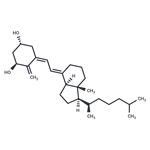
Alfacalcidol is a precursor of the active calcitriol. It does not require renal hydroxylation but requires 25-hydroxylation in the liver for conversion to calcitriol. It works to increase serum levels of calcium by stimulating intestinal calcium absorption, reabsorption of calcium from bone, and possibly the renal reabsorption of calcium. It also modestly promotes intestinal phosphorus absorption. In patients with renal failure, alfacalcidol increased intestinal calcium and phosphorus absorption in a dose-related manner. This increase in calcium and phosphorus levels occurs within three days following drug administration: this effect was reversed within three days of drug discontinuation. In patients with chronic renal failure, serum calcium levels were elevated while parathyroid hormone and alkaline phosphatase levels returned to normal levels within five days following alfacalcidol administration. Since alfacalcidol suppresses parathyroid hormone, a reduction in parathyroid hormone levels is achieved more rapidly in patients on intermittent intravenous therapy, with significant reductions occurring within three months of therapy.
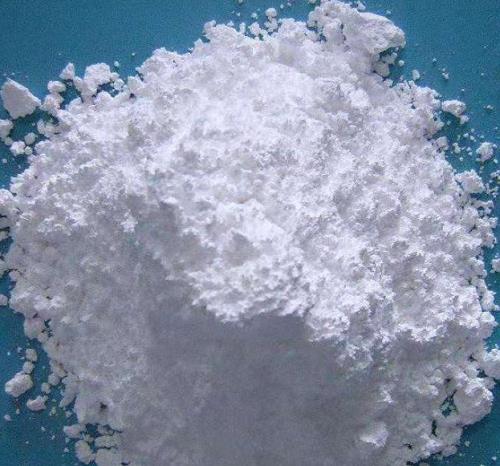
Pulse versus daily oral Alfacalcidol treatment of secondary hyperparathyroidism
Secondary hyperparathyroidism, characterized by elevated serum parathyroid hormone (PTH), autonomous secretion parathyroid hyperplasia, is a common complication of chronic kidney disease. This state of mineral metabolism imbalance is independently associated with increased risk of mortality from cardiovascular disease and morbidity, such as bone disease and fractures, among patients with end-stage renal disease on maintenance hemodialysis. Vitamin D replacement therapy with alfacalcidol (1α-hydroxyvitamin D3) is widely used in the treatment of secondary hyperparathyroidism in hemodialysis patients. Prior studies have shown that alfacalcidol, whether administered orally or intravenously, is effective in suppressing PTH secretion without significant increase in the risk of hypercalcemia and hyperphosphatemiaIdentifying demographic and biomedical characteristics that independently affect PTH levels among hemodialysis patients is important. Such information can be used in clinical practice in developing individualized treatment plans for hemodialysis patients, which may help in achieving optimal target ranges for PTH and maintain mineral metabolism balance. The aim of this randomized controlled trial was to replicate the findings of previous studies comparing effectiveness of pulse oral alfacalcidol therapy versus daily oral alfacalcidol therapy in suppressing PTH using a Palestinian sample of hemodialysis patients, and to identify demographic and biomedical patients’ characteristics independently associated with PTH levels.[1]
The aim of this randomized controlled trial was to compare effectiveness of pulse oral alfacalcidol therapy versus daily oral alfacalcidol therapy in suppressing PTH and identify demographic and biomedical patients’ characteristics independently associated with PTH levels. There were no statistically significant differences between the two treatment groups in baseline demographic and biomedical characteristics. Both groups had decreased mean PTH levels at the end of the study. The pulse group had more clinically significant reduction in mean PTH level at 13 weeks than the daily group, but this reduction was not statistically significant. The effect of alfacalcidol therapy on metabolism of phosphate at the end of the study, characterized by slight reduction in mean phosphate levels, was similar in both groups. The mean corrected serum calcium increased slightly in the pulse group and dropped slightly in the oral group at the end of the study, but remained within normal range in both groups. This finding is also consisted with previous studies that observed lower PTH levels among diabetics and older hemodialysis patients. The exact mechanism underlying this is not well understood, but it was hypothesized to be explained by different factors, including malnutrition, inflammation, and poor glycemic control in diabetic patients.
Alfacalcidol combined with calcitonin in the treatment of osteoporosis
Osteoporosis is considered as a systemic skeletal disease, which is characterized by low bone mass, the exacerbation of the bone tissue microarchitecture, an increase in bone fragility and fractures. Senile osteoporosis is associated with a loss of trabecular and cortical bone due to the aging. Osteoporosis has been recognized as a major global public health problem, with high morbidity caused by osteoporotic fractures in the aged population. According to epidemiological survey, osteoporosis may result in more than 8.9 million fractures every year, causing an osteoporotic fracture every 3 s. Recently, numerous drug treatment methods for osteoporosis have emerged. Alfacalcidol, as an active vitamin D analog, has been demonstrated to prevent fractures in patients with osteoporosis. However, the application of Alfacalcidol alone has no significant anti-osteoporosis effect and presents poor efficacy. In order to achieve optimal therapeutic effects, high dose drugs are usually given in clinical practice, which increases the risk of adverse reactions in patients, leading to a decrease in treatment compliance and affecting therapy effectiveness. Based on this context, the aim of study was to compare the difference in the efficacy between the combination of drugs and alfacalcidol alone in patients with osteoporosis in terms of total effective rate, bone mineral density, cytokine levels, life quality, and adverse reactions etc. This study may provide references for the prevention and treatment of osteoporosis in the elderly population in China.[2]
With the aging of population, osteoporosis has become a major global health problem. Osteoporotic fractures can lead to increased risk of further fractures, increased morbidity and mortality, and severe temporary or permanent impairment of independence and quality of life in patients. Conventional anti-osteoporotic treatment usually involves the application of Alfacalcidol, the function of which is similar to that of synthetic material of parathyroid hormone. The mechanism of action for Alfacalcidol is to enhance the levels of 1,25-dihydroxyvitamin D3 in the blood circulation, increase the absorption of calcium and phosphorus in the intestine and renal tubules, elevate the levels of blood calcium and phosphorus, and promote osteogenesis. Conventional anti-osteoporotic treatment usually involves the application of Alfacalcidol, the function of which is similar to that of synthetic material of parathyroid hormone. The mechanism of action for Alfacalcidol is to enhance the levels of 1,25-dihydroxyvitamin D3 in the blood circulation, increase the absorption of calcium and phosphorus in the intestine and renal tubules, elevate the levels of blood calcium and phosphorus, and promote osteogenesis. In addition, some studies have indicated that Alfacalcidol could reduce the plasma parathyroid hormone levels, and inhibit the bone resorption, thus improving the symptoms of osteoporosis.
Efficacy of Alfacalcidol Versus Calcitriol in Managing Secondary Hyperparathyroidism
Mineral and bone disease (MBD) is a common complication in patients with chronic kidney disease (CKD). The CKD-MBD is defined by the KDIGO guidelines as a systemic disorder of minerals and bone metabolism caused by CKD. The main manifestations of the disease include abnormalities in serum phosphate, calcium, parathyroid hormone (PTH), and vitamin D metabolism. These abnormalities lead to bone metabolism disorders as well as soft tissue and vascular calcification. CKD-MBD becomes more clinically apparent when the glomerular filtration rate (GFR) falls below 40 mL/min/1.73 m². Data comparing the equipotency of different vitamin D analogs specifically alfacalcidol and calcitriol is limited with regards to dosing conversion between both agents and their effects on iPTH suppression, calcium, and phosphorus levels. Our findings indicate that calcitriol was more effective in suppressing iPTH at a significantly lower dose than alfacalcidol.[3]
Additionally, it was also more potent in increasing total calcium levels. Our findings are not only considered the largest comparison of the 2 vitamin D analogs in patients with chronic kidney disease, but also robust as we compared both drugs within the same patient cohort. Calcitriol, at significantly lower doses, was more effective than alfacalcidol in reducing iPTH levels and increasing calcium levels over 3 months. Clinicians should consider initiating lower doses when transitioning from alfacalcidol to calcitriol. Larger randomized controlled studies are needed to confirm these findings.
References
[1]Sawalmeh O, Moala S, Hamdan Z, Masri H, Ayoub K, Khazneh E, Shraim M. Pulse versus daily oral Alfacalcidol treatment of secondary hyperparathyroidism in hemodialysis patients: a randomized controlled trial. Int J Nephrol Renovasc Dis. 2018 Jan 15;11:25-32. doi: 10.2147/IJNRD.S149877. PMID: 29391823; PMCID: PMC5774473.
[2]Rui Z, Yan C, Wang Z, Yuan Y, Luan C, Wang L. The effects of alfacalcidol combined with calcitonin in the treatment of osteoporosis and its influence on levels of inflammation. Am J Transl Res. 2024 May 15;16(5):1690-1700. doi: 10.62347/ZMAL4724. PMID: 38883381; PMCID: PMC11170591.
[3]El Nekidy WS, Ghazal I, Mallat J, Abidi E, Malik A, Madhyastha R, Hijazi F, Ghosn M. Efficacy of Alfacalcidol Versus Calcitriol in Managing Secondary Hyperparathyroidism in Patients With Chronic Kidney Disease. Hosp Pharm. 2025 Feb 27:00185787251322428. doi: 10.1177/00185787251322428. Epub ahead of print. PMID: 40026490; PMCID: PMC11869228.
- Related articles
- Related Qustion
- Alfacalcidol: Indications, Dosages and Side Effects Dec 16, 2024
Alfacalcidol is a vitamin D analog that can be used to treat vitamin D deficiency, renal osteodystrophy, hyperparathyroidism, hypoparathyroidism, hypocalcemia in patients with chronic renal failure, rickets, osteomalacia and osteoporosis (O
Zirconium hydroxide exhibits acid-base/redox activity, degrades CWAs and pollutants, and enables self-decontaminating air filter paper development.....
Dec 10,2025Inorganic chemistry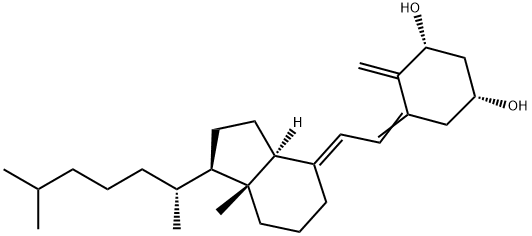
Alfacalcidol
41294-56-8You may like
- Alfacalcidol
-
- 2025-12-11
- CAS:41294-56-8
- Min. Order:
- Purity: 0.99
- Supply Ability:
- Alfacalcidol
-

- $10.00 / 1KG
- 2025-12-11
- CAS:41294-56-8
- Min. Order: 100KG
- Purity: 99%
- Supply Ability: 100 mt
- Alfacalcidol
-
- $30.00 / 1mg
- 2025-12-05
- CAS:41294-56-8
- Min. Order:
- Purity: 99.51%
- Supply Ability: 10g